


Most addresses
Walton EMC
- Average home rate (2024)
- 12.99¢/kWh
- Paid for exported solar
- Set by the co-op; we confirm it per account
- Net-metered home solar, utility-wide
- 675
Battery & backup · Loganville, GA
Solar battery installation in Loganville pays when it stores power Walton EMC would otherwise credit at a rate set by the cooperative rider, confirmed per account, and 70% of homes here are owner-occupied.
Storage in Loganville · as of August 2026
Walton EMC sets its own export credit through its own board, so we confirm the current figure per account before modelling anything. Retail power costs a rate set by the cooperative board, confirmed against your own bill, and the gap between that and what an export earns is what a kilowatt-hour you store and use yourself is worth to you.
Looking for a solar company in Loganville? See solar companies in Loganville: our local team, costs and a free assessment.
Free roof and bill assessment
Takes under a minute. No pressure, and no guaranteed-savings math.
Local storage case
Storage in Walton EMC territory rests on the gap between what the cooperative charges you and what it credits for exported energy. That gap is the entire economic case for a battery, which is exactly why we read the current rider rather than working from a summary of Georgia cooperative practice. Summer storm outages give a secondary resilience argument, but the arithmetic should stand on its own first.
Written for Loganville specifically.
The maths changed
Walton EMC sets its own export credit through its own board, so we confirm the current figure per account before modelling anything.
You still buy power at a rate set by the cooperative board, confirmed against your own bill. Each kWh stored instead of exported is worth that rate rather than a rate set by the cooperative rider, confirmed per account.
In Loganville, a 9.5 kW system makes up to about 1,303 kWh in May; most of the afternoon surplus is what a battery would hold.
We model your Walton EMC usage at the assessment and show whether storage earns its cost.
How it works
Critical-load mapping, an extra electrical permit through Walton County (city limits extend into Gwinnett County), installation with a critical-loads subpanel, then Walton EMC approval and commissioning.
Cost
Hot Georgia summers with afternoon cooling peaks and occasional storm outages. Capacity and the number of Walton County (city limits extend into Gwinnett County) circuits you back up set the price.
Loganville specifics
Loganville has its own constraints. Getting these right is most of the job.
Walton County (city limits extend into Gwinnett County) requires one for storage on top of the solar permits, with its own inspection. We pull it and meet it.
Hot Georgia summers with afternoon cooling peaks and occasional storm outages.
Placement matters mostly for heat. Garage-interior siting usually beats an unconditioned attic here.
Older services often need attention before storage can be added cleanly. We run the load calculation before quoting, not after.
For very long outages a standby generator can be the better answer, and we will say so if it is. Compare the two.
Pairing storage with a new system is cleaner than retrofitting to an inverter that was never specified for it. We check yours first.
Permits and approvals
4 approvals for a Loganville system. We file every one.
Your utility decides payback
Walton EMC and Jackson EMC and Georgia Power split Loganville street by street. We read yours off your bill first.
Most addresses
Some addresses
Some addresses
For comparison: Georgia average 14.08¢ · U.S. average 16.48¢. Georgia had 18,612 net-metered home solar systems at the end of 2024.
Rates: US EIA Form EIA-861, 2024 averages incl. fixed charges, not tariffs. Export terms as of August 2026.
Homes in Loganville
Source: US Census Bureau, American Community Survey 2023 5-year estimates for Loganville city. Estimates, rounded.
Our work
Our own job photos, not stock or renders. Inland.
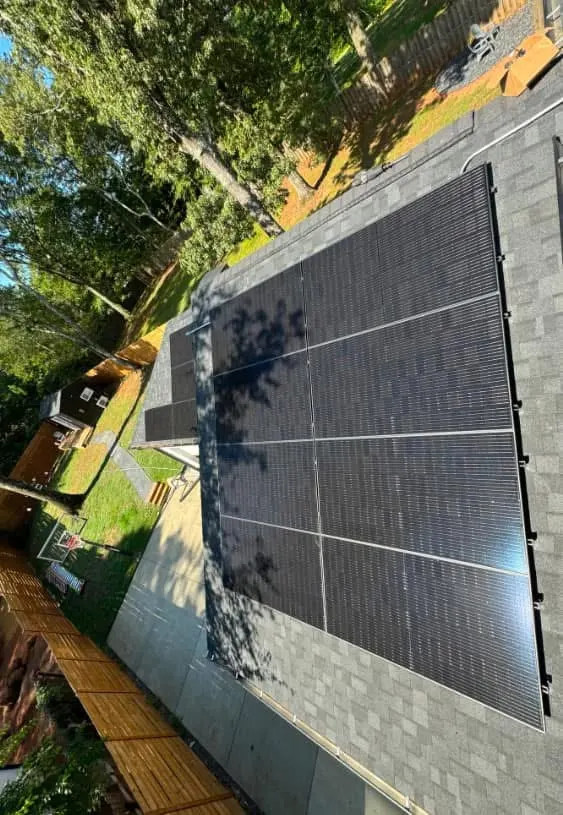
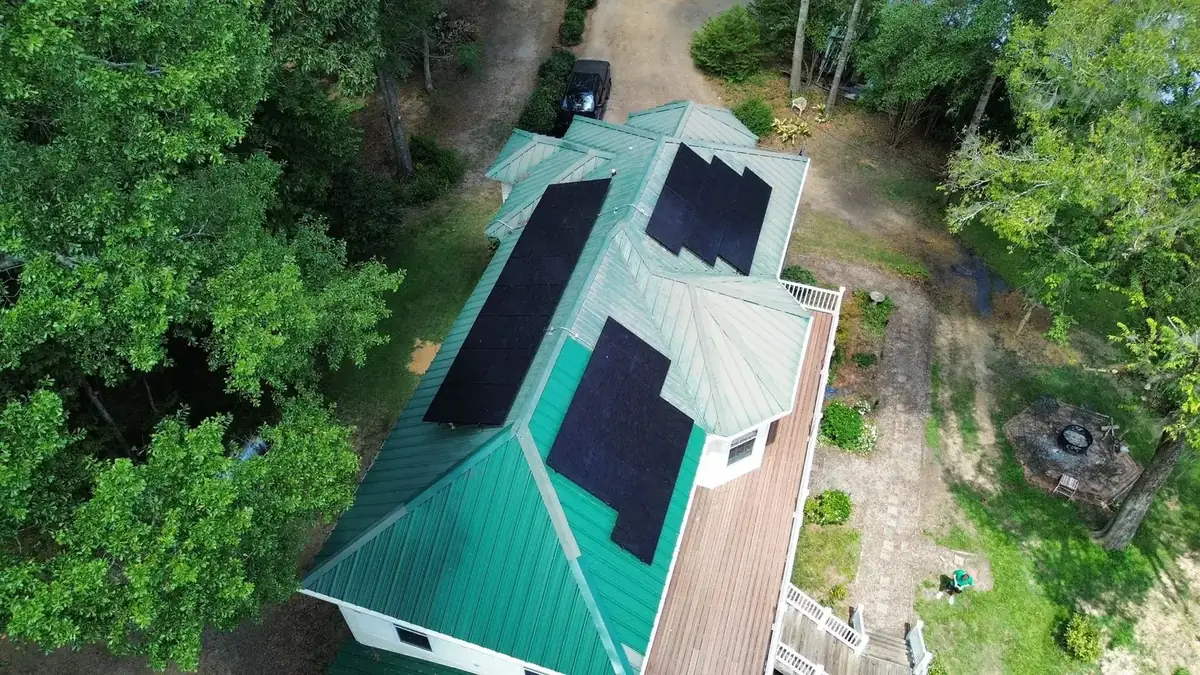
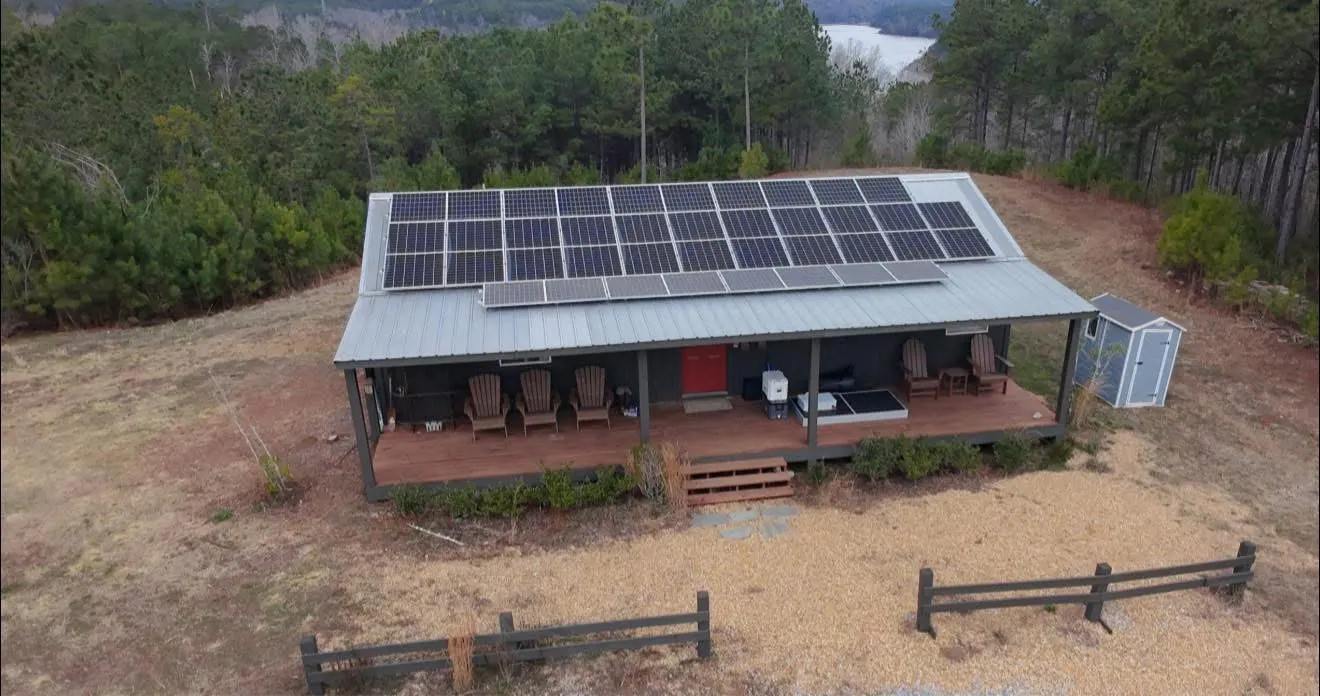
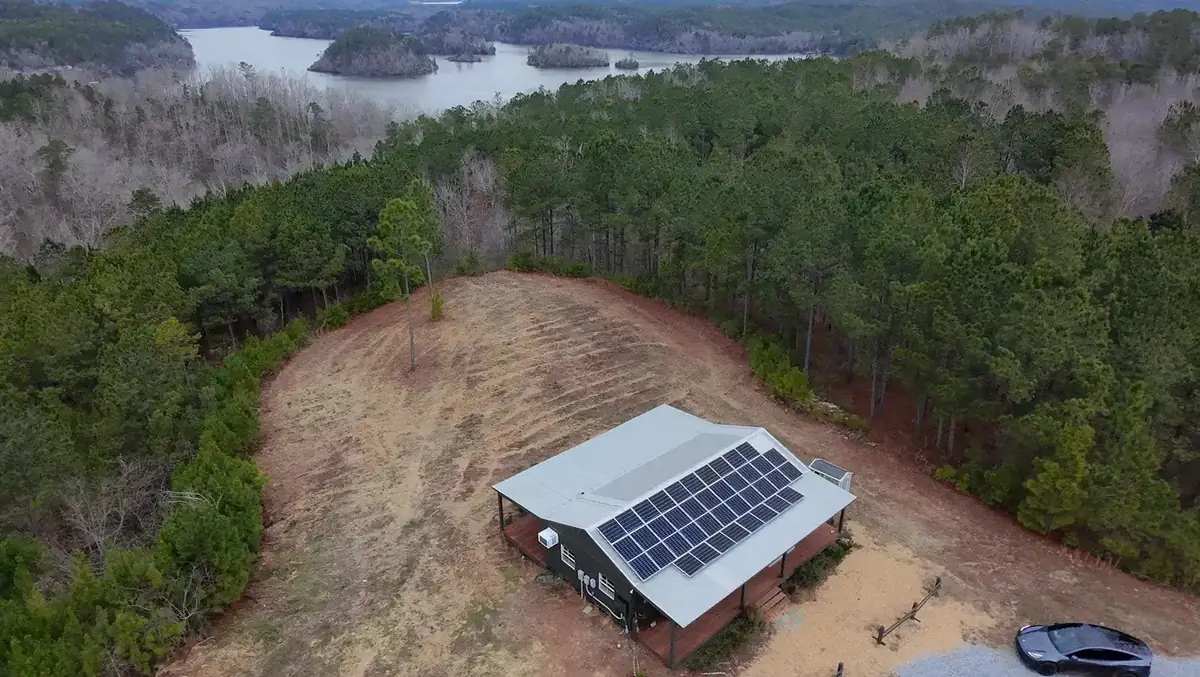
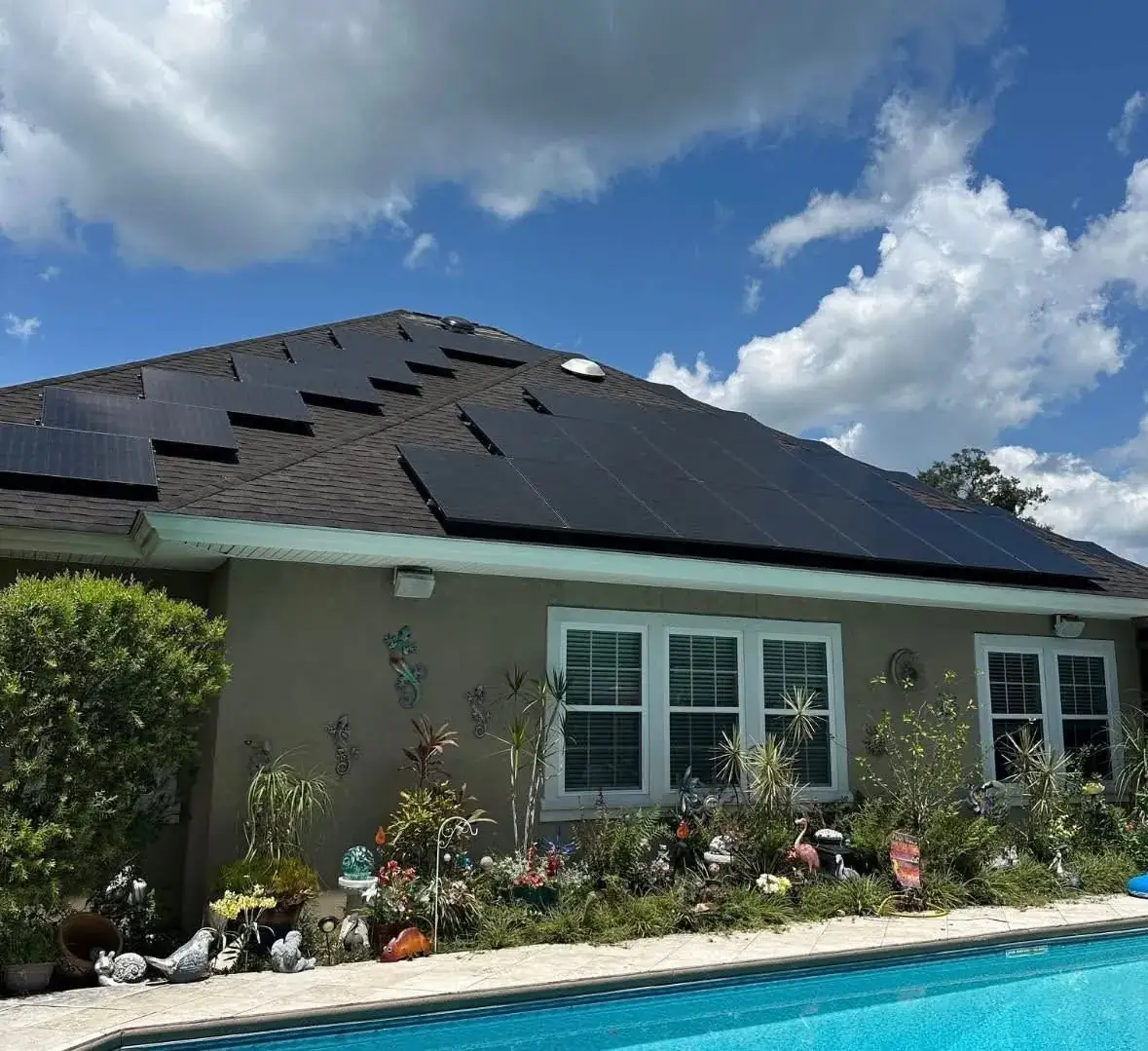
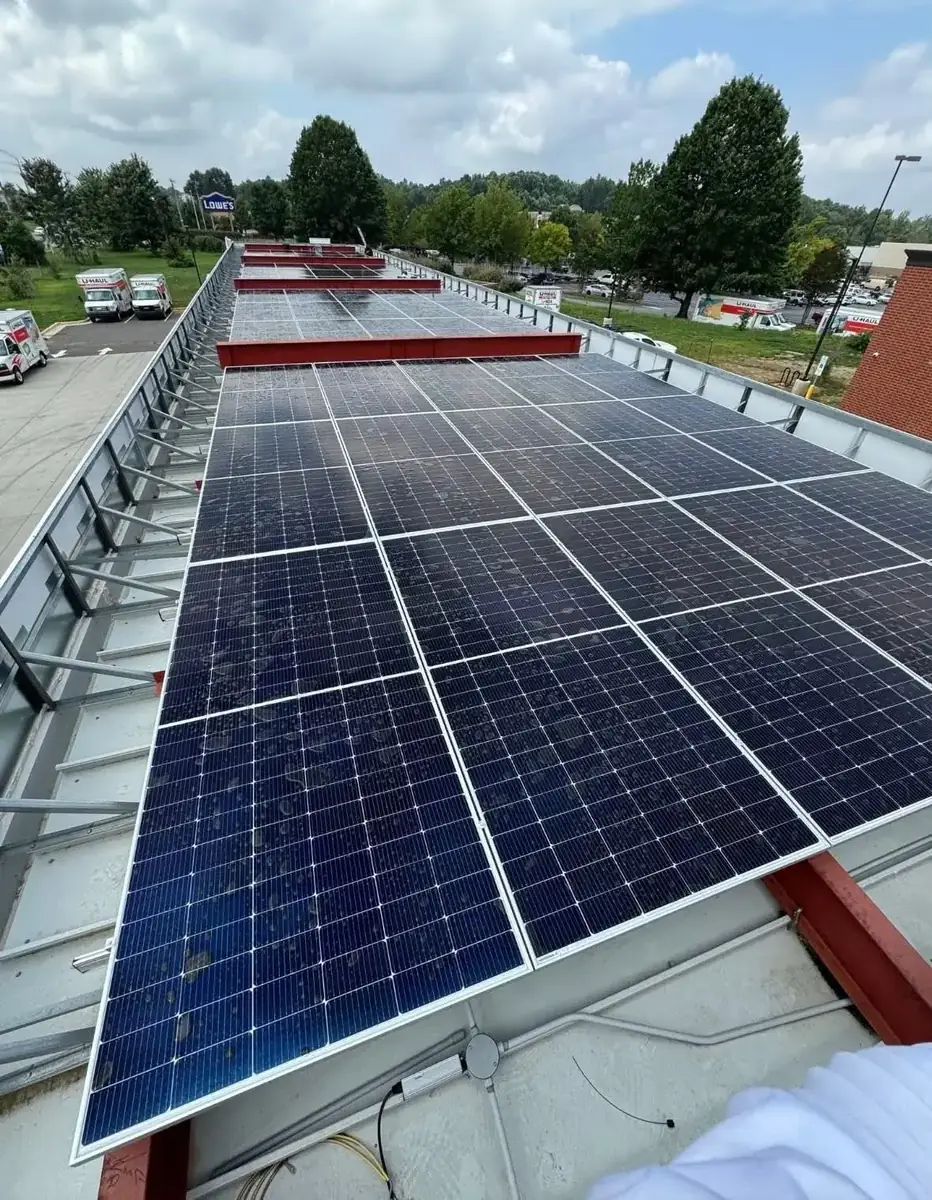
Photo locations are not published.
Free assessment · Loganville, GA
We read your bill, confirm your Walton EMC export terms, and tell you what your roof in Walton County (city limits extend into Gwinnett County) will actually carry, and say so if it will not pay.
Prefer to talk? (843) 310-1128
Loganville battery FAQ
Walton EMC sets its own export credit through its own board, so we confirm the current figure per account before modelling anything. You buy power at a rate set by the cooperative board, confirmed against your own bill, and the gap between that and what an export earns is what a stored kilowatt-hour is worth to you, on top of the outage protection.
Walton EMC sets its own export credit through its own board, so we confirm the current figure per account before modelling anything. Walton EMC households paid about 13.0¢ per kWh on average in 2024.
Hot Georgia summers with afternoon cooling peaks and occasional storm outages. We size backup to the circuits that matter rather than the whole house.
Sized to the circuits that matter, not the whole house. A 9.5 kW solar system here makes up to about 1,303 kWh in its best month, and the afternoon surplus is what a battery stores. Walton EMC households paid about 13.0¢ per kWh on average in 2024.
Nearby
Free, no-pressure assessment
We will map your critical loads, model your usage against your actual rate, and tell you honestly whether a battery pays for itself here or whether it is purely backup insurance.
Mon–Sat, 10am–6:30pm ET · We typically follow up within the hour.