


Serves part of the area
Georgia Power
- Average home rate (2024)
- 15.49¢/kWh
- Paid for exported solar
- about 7.22¢ per kWh (a 3.2188¢ avoided-cost rate plus a 4¢ adder)
- Net-metered home solar, utility-wide
- 11,208
Honest numbers · Harlem, GA
Solar panel cost in Harlem runs about $2.59 per watt installed in 2026: a 9.5 kW system is about $24,605, and makes about 13,740 kWh a year here.
The short answer · as of August 2026
Solar in the Harlem area costs about $2.59 per watt installed before incentives as of August 2026. A system near our ~9.5 kW average runs roughly $24,605 gross, which is also the net figure because Georgia has no residential solar income-tax credit. Payback depends on your Georgia Power / Jefferson Energy Cooperative rate and on how much production you use on site, so we model it from your own bill rather than publishing a market average.
Looking for a solar company in Harlem? See solar companies in Harlem: our local team, costs and a free assessment.
Free roof and bill assessment
Takes under a minute. No pressure, and no guaranteed-savings math.
Local pricing reality
No honest Harlem quote can be produced before two questions are answered, and neither is about equipment. Which utility serves the meter, and has the county seen the plans yet. Available coverage data splits the city roughly two thirds Georgia Power and one third Jefferson Energy Cooperative, and those two do not credit exported power the same way. A payback figure produced without settling that is arithmetic performed on a guess.
The permit process adds real time that belongs in the schedule rather than arriving as a surprise. Plans go to Columbia County Development Services first, and only after county approval do the stamped plans and a plot plan showing setbacks go to Harlem Planning and Zoning for the permit itself. A non-refundable plan review fee accompanies the submitted plans and is credited toward the permit fee.
On the technical side Harlem is straightforward. Inland, so no salt exposure and wind loading well below the coast, with rural parcels around the town frequently large enough that a ground-mounted array is worth pricing alongside the roof where canopy takes the best planes.
Written for Harlem specifically.
The numbers
Priced at the local $2.59 per watt benchmark (August 2026) and shown with no state credit subtracted, because Georgia has none. These are worked examples to set expectations, not a quote, and not a promise of savings.
| System size | Cost before incentives | State credit | Net after credit |
|---|---|---|---|
| 6 kW | $15,540 | No state credit available | $15,540 |
| 9.5 kW Closest to our ~9.5 kW average system | $24,605 | No state credit available | $24,605 |
| 12 kW | $31,080 | No state credit available | $31,080 |
| 15 kW | $38,850 | No state credit available | $38,850 |
Note the third column carefully. Georgia has no state income tax credit for residential solar, and the federal residential credit expired for systems placed in service on or after 1 January 2026. If a quote you are comparing subtracts a tax credit from the price, ask in writing which credit it means. See what does apply in Harlem.
Sizing
Calculators assume a national-average system of 14.48 kW; our average is about 9.5 kW, which makes about 13,740 kWh a year here. Sizing past your own use earns only Georgia Power / Jefferson Energy Cooperative's export rate.
The part competitors leave out
Most Harlem homes are served by Georgia Power / Jefferson Energy Cooperative , though Jefferson Energy Cooperative serves a substantial share of Harlem addresses. More than one provider serves addresses here (Georgia Power / Jefferson Energy Cooperative), and they do not credit exported power the same way, so we confirm which serves your meter before modelling anything. So Harlem payback depends on how much you use at home.
Harlem is genuinely split. Available coverage data puts roughly two thirds of the city with Georgia Power and about a third with Jefferson Energy Cooperative, and the two do not credit exported power the same way. Georgia Power pays about 7.22¢ per kilowatt-hour for 2026 under a Commission-set programme with a 10 kW AC residential cap. Jefferson Energy sets its own credit through its elected board, and we will not print a figure we have not read off the current schedule. Every national page covering Harlem quotes one rate. We confirm yours in writing before modelling anything.
The mechanic is simple. Power you consume the moment you generate it offsets electricity you would have bought at about 13¢ per kWh. Power you export earns only about 7.22¢ per kWh (a 3.2188¢ avoided-cost rate plus a 4¢ adder), and Daytime use is what pays here.
2026 incentives
Georgia has no residential solar income-tax credit, so the net column above is the installed price. Georgia property-tax treatment of solar is genuinely unsettled: reputable sources describe a $25,000 exemption, a full exemption and no statewide exemption. Confirm with the Georgia Department of Revenue and your county assessor rather than relying on any figure printed online.
The 30% federal credit expired for systems placed in service on or after 1 January 2026. If a quote you are comparing still applies it, that quote is wrong by thousands.
Georgia Power / Jefferson Energy Cooperative runs no upfront residential rebate, so there is nothing to stack in Harlem.
Incentives specific to Harlem · statewide mechanics and worked examples · financing
Line items
In Harlem the swings come from roof age (the median Harlem home was built in 1990), structural review and roof access, the 6 approvals Columbia County requires, and whether Georgia Power / Jefferson Energy Cooperative's export terms favour a smaller system.
Paying for it
On a 9.5 kW system at $24,605, ask for the cash and financed price side by side; a low loan rate often hides a dealer fee in the price.
The Georgia-specific trap: there is no state credit here to arrive at all. Any loan structured around a large first-year tax payment is built on money that is not coming, and that is a question to put to the lender in writing before you sign.
The honest part
If two or more of these describe your home, we will say so during the assessment and we will not design a system to talk you past them. That is the whole point of a free, no-pressure assessment. If circumstances change, we will still be here.
Our work
Our pricing comes from ~450 combined experienced installs and a ~9.5 kW average system, priced for Columbia County permitting.
Permits and approvals
6 approvals for a Harlem system. We file every one.
Your utility decides payback
Georgia Power and Jefferson Energy Cooperative split Harlem street by street. We read yours off your bill first.
Serves part of the area
Serves part of the area
For comparison: Georgia average 14.08¢ · U.S. average 16.48¢. Georgia had 18,612 net-metered home solar systems at the end of 2024.
Rates: US EIA Form EIA-861, 2024 averages incl. fixed charges, not tariffs. Export terms as of August 2026.
Harlem sun, month by month
About 13,740 kWh a year from a south-facing roof with no shade. May is the strongest month at about 1,312 kWh and December the weakest at about 853 kWh.
Your roof will differ. Small-town streets with mature canopy at the centre, opening out to rural parcels with mixed pine and open ground.
Estimate: NASA POWER sun data for Harlem, PVWatts model, south-facing, no shade.
Homes in Harlem
Source: US Census Bureau, American Community Survey 2023 5-year estimates for Harlem city. Estimates, rounded.
Our work
Our own job photos, not stock or renders. Inland.
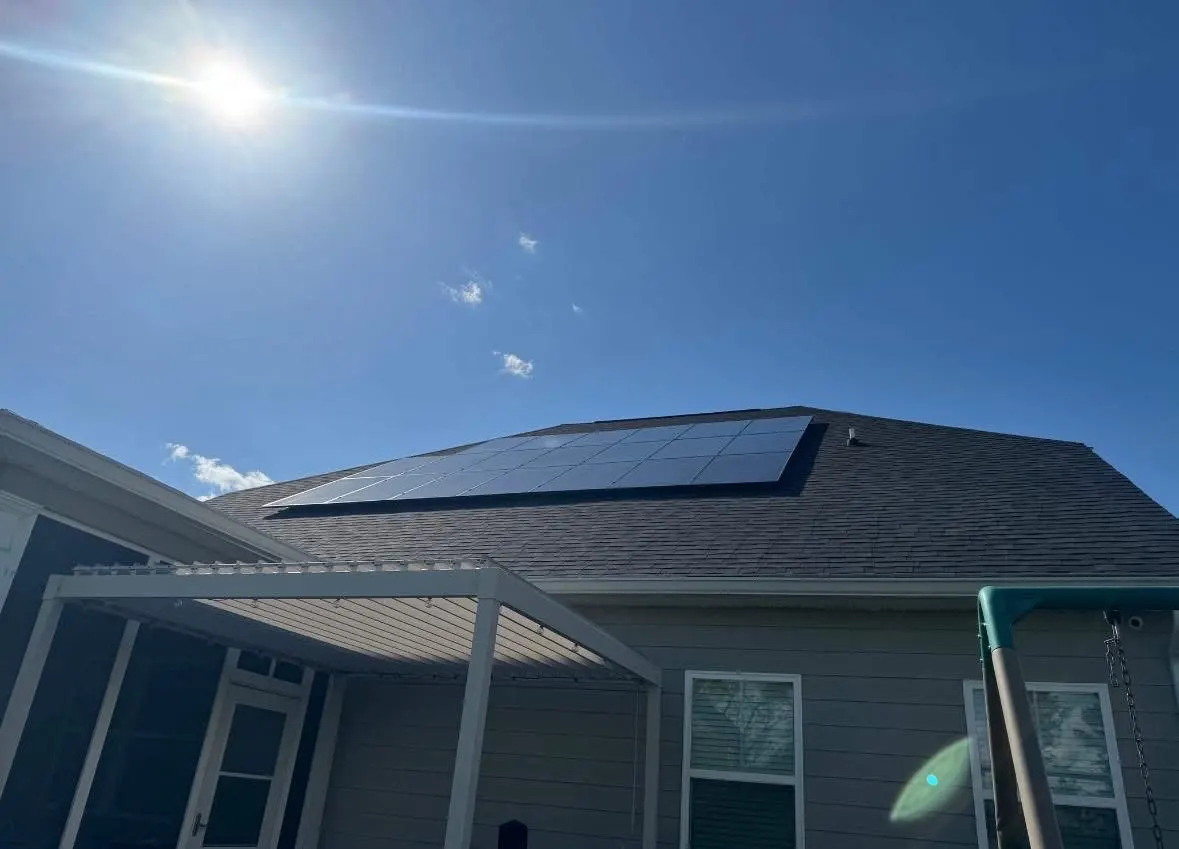
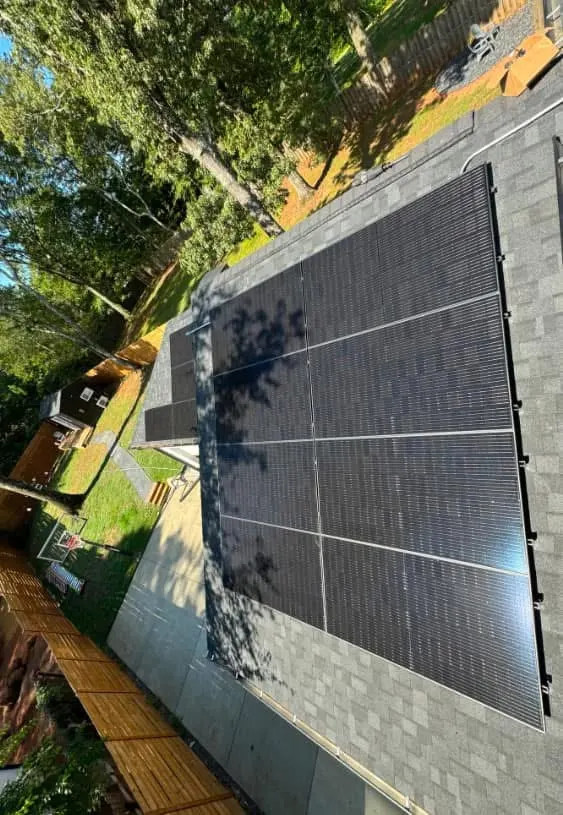
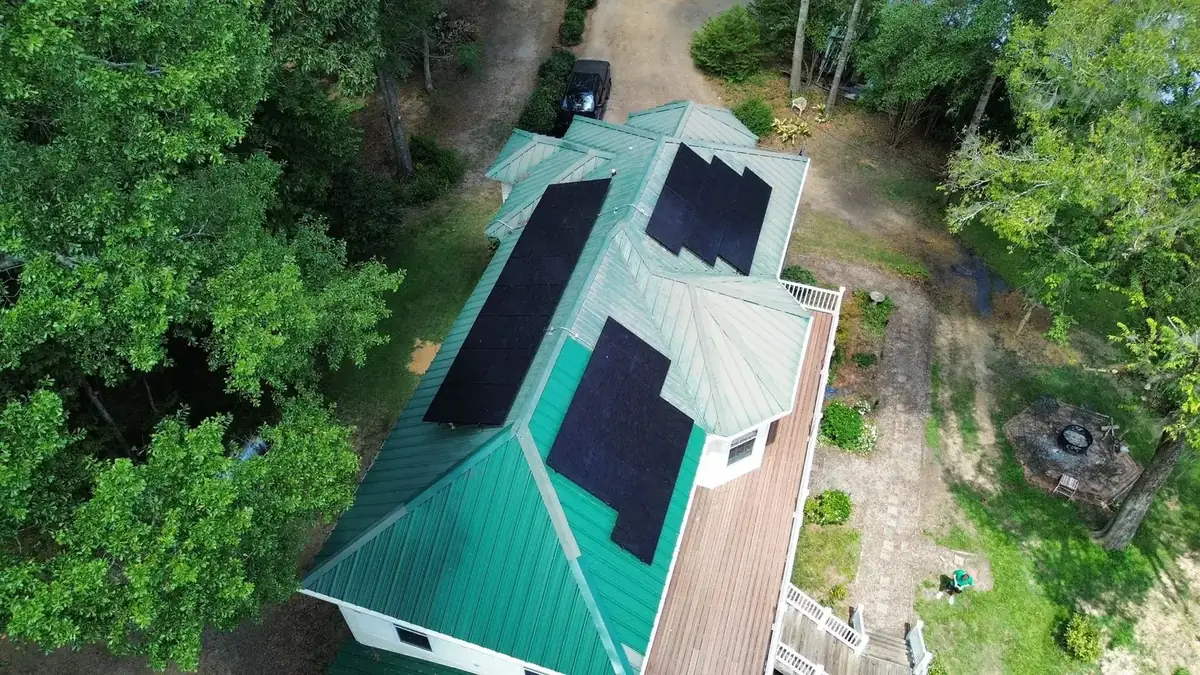
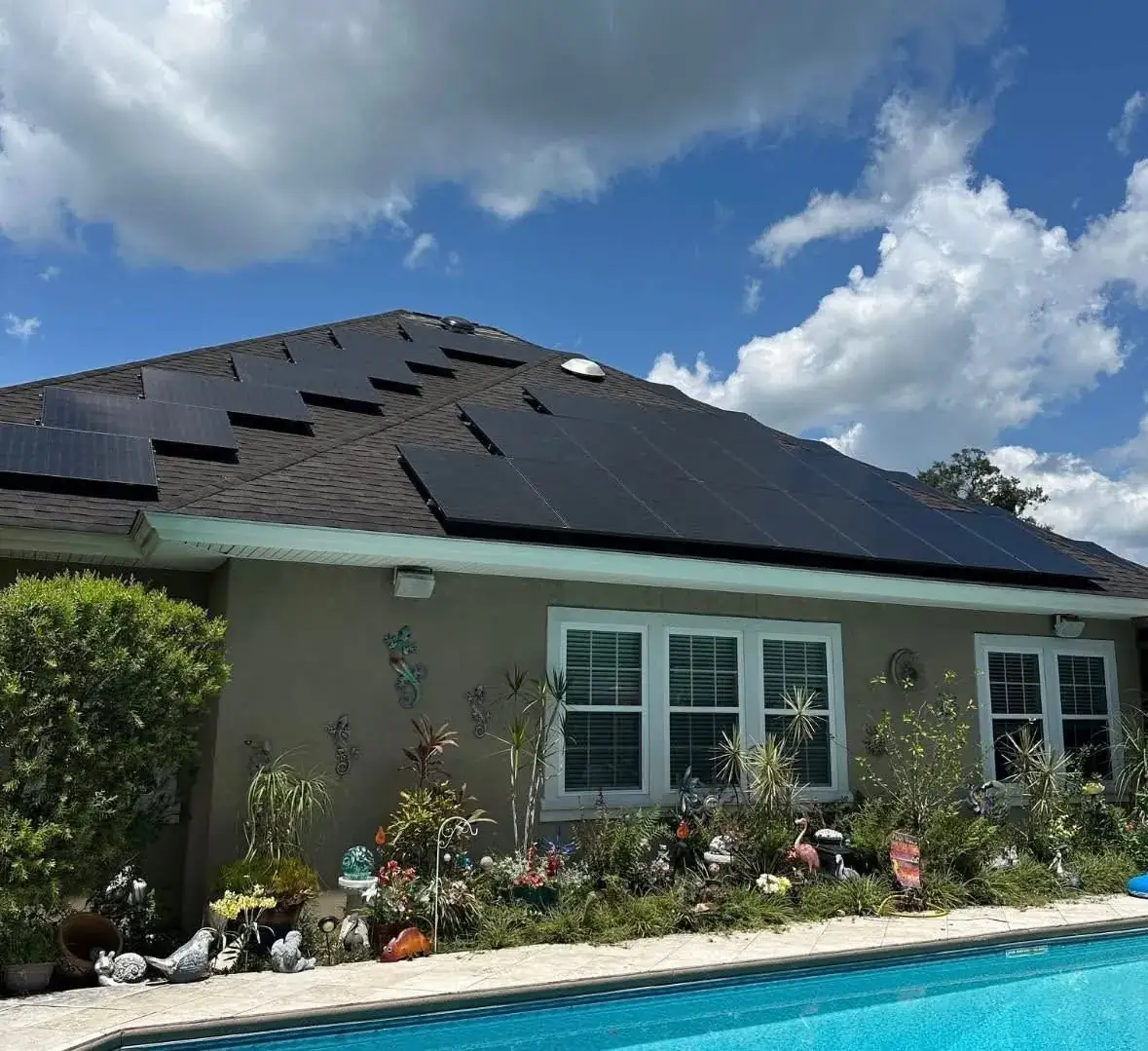
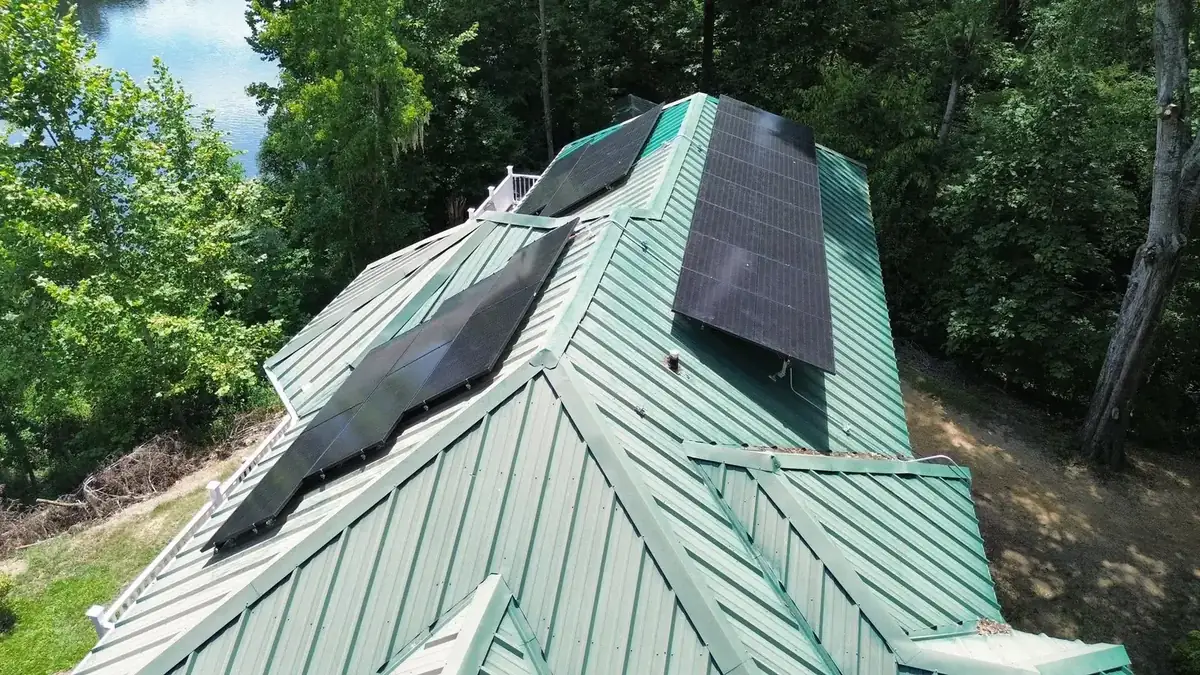
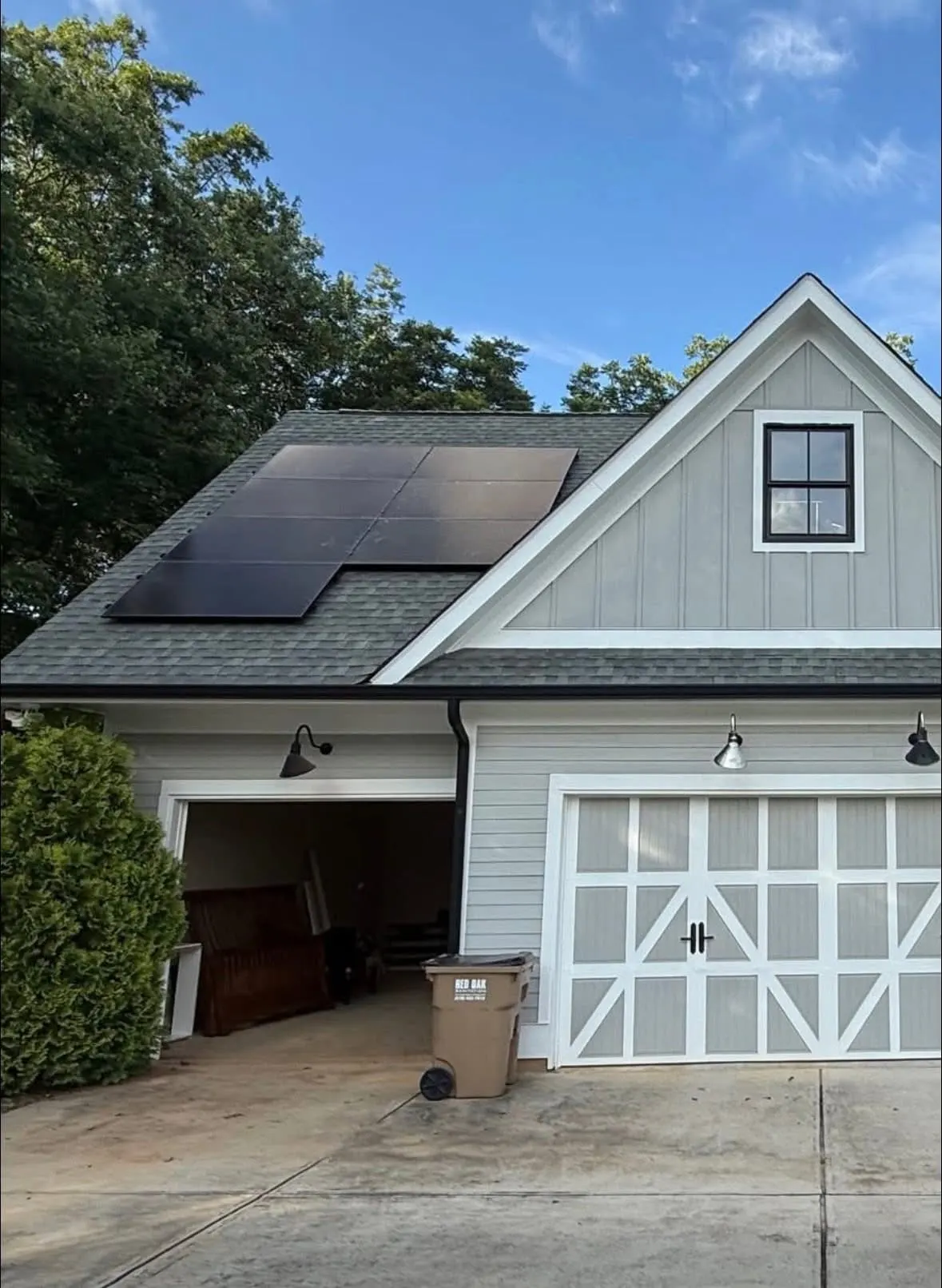
Photo locations are not published.
Free assessment · Harlem, GA
We read your bill, confirm your Georgia Power / Jefferson Energy Cooperative export terms, and tell you what your roof in Columbia County will actually carry, and say so if it will not pay.
Prefer to talk? (843) 310-1128
Harlem solar cost FAQ
As of August 2026, solar in the Harlem area runs about $2.59 per watt installed before incentives. A system close to our ~9.5 kW average works out to roughly $24,605 gross, which is also the net figure because Georgia has no residential solar income-tax credit. Your own number depends on your roof, your usage and your utility.
We will not publish a payback figure for Harlem that we cannot stand behind, because Georgia Power / Jefferson Energy Cooperative's residential rate needs confirming against your own bill. What is certain is that exported power credits at about 7.22¢ per kWh (a 3.2188¢ avoided-cost rate plus a 4¢ adder), well below retail, so the share of production you use on site drives your payback more than any equipment choice. At the assessment we model it against your actual rate.
Because we size to your bill rather than to a sales quota. National cost calculators model 14.48 kW for this market, which inflates both the price and the projected savings for a typical home. Our combined install experience averages about 9.5 kW.
Georgia property-tax treatment of solar is genuinely unsettled: reputable sources describe a $25,000 exemption, a full exemption and no statewide exemption. Confirm with the Georgia Department of Revenue and your county assessor rather than relying on any figure printed online. Confirm your own situation with Columbia County and a tax professional, since eligibility depends on your circumstances.
About $24,605 installed at $2.59 per watt, with no Georgia credit to subtract. It makes about 13,740 kWh a year here unshaded. Georgia Power / Jefferson Energy Cooperative households paid about 15.5¢ per kWh on average in 2024.
Half of Harlem homes are more than 36 years old, so the roof check matters here: a roof with under ten years left should be replaced before solar goes on, or at the same time. A roof that needs replacing within a few years adds its cost to the project, so we price both together when it does.
It depends on your Georgia Power / Jefferson Energy Cooperative rate and how much of the 13,740 kWh a year you use at home, so we model it from your bill. Georgia Power / Jefferson Energy Cooperative households paid about 15.5¢ per kWh on average in 2024.
Nearby
Free, no-pressure assessment
We will confirm your utility, measure your roof, read your actual usage history, and give you honest figures, with no guaranteed-savings math and no pressure.
Mon–Sat, 10am–6:30pm ET · We typically follow up within the hour.