


Most addresses
City of Lawrenceville Utilities
- Average home rate (2024)
- 15.78¢/kWh
- Paid for exported solar
- Set by the city; we confirm it per account
- Net-metered home solar, utility-wide
- 19
EV charging · Lawrenceville, GA
EV charger installation in Lawrenceville usually means a Level 2 circuit on City of Lawrenceville Utilities at an average 15.8¢ per kWh; 54% of homes here are detached, so most have a garage or driveway to wire to.
The solar angle worth knowing · as of August 2026
Level 2 home and workplace charging in Lawrenceville, permitted and code-compliant. If you have solar, an EV is the best load-shifting tool you own: charging from your own midday production converts power that would export at a rate set by the city, confirmed per account into power you avoid buying at a rate set by the city, confirmed against your own bill. Cost is driven by your panel capacity and the cable route, not the charger.
Looking for a solar company in Lawrenceville? See solar companies in Lawrenceville: our local team, costs and a free assessment.
Free roof and bill assessment
Takes under a minute. No pressure, and no guaranteed-savings math.
Local charging reality
Charging economics in Lawrenceville follow the same unresolved gap as everything else. A kilowatt-hour that goes from your roof into the car during daylight is worth what you would otherwise pay for it; one you export is worth whatever the city credits, which we do not have from a citable source. Where the car is out during the day that argument weakens, and we will say so.
On the practical side, a charger is electrical work needing a permit and inspection, from the city inside its limits or Gwinnett County outside them. Gwinnett requires a sub-contractor electrical affidavit. Be wary of anyone offering to skip the permit, because unpermitted electrical work can affect insurance and resale.
Written for Lawrenceville specifically.
Solar + EV
A 9.5 kW system here makes about 13,580 kWh a year; a typical EV uses roughly 3,000 to 4,000. Charging at midday uses power City of Lawrenceville Utilities would otherwise credit at a rate set by the city, confirmed per account.
How we do it
A load calculation, the route from your panel, an electrical permit through Gwinnett County and the inspection. We tell you up front whether your panel needs an upgrade.
Cost
The distance from your panel to where the car parks, spare panel capacity for a 40 to 60 amp circuit, and any trenching. 54% of homes here are detached, so most have a garage or driveway run.
Lawrenceville specifics
Local constraints that come up on Lawrenceville charger installs.
Gwinnett County treats hard-wired charging as electrical work.
A dedicated 40 to 60 amp circuit needs room. Load management sometimes avoids a full upgrade at lower cost.
Heat and driving rain still rule out under-specified outdoor enclosures, even without salt exposure.
Lawrenceville issues its own permits inside city limits, while unincorporated addresses go to Gwinnett County Planning and Development on Crogan Street. The boundary between the two can split a single street, so we confirm the jurisdiction from the parcel rather than the postal address. Gwinnett requires sub-contractor electrical affidavits with residential and commercial permits, and an authorised agent form where a representative files on your behalf.
Panel beside the parking spot is the cheap case. A detached garage needing a trench is the expensive one. This drives price more than the charger does.
For businesses, load sharing and who pays for the power matter more than hardware. See commercial.
City of Lawrenceville Utilities bills at a rate set by the city, confirmed against your own bill retail and credits exported solar at a rate set by the city, confirmed per account (August 2026); Georgia Power, Jackson EMC and Walton EMC serve addresses outside the city, so confirm the account. That gap is the whole argument for charging during generating hours rather than overnight.
Hot Georgia summers with long afternoon cooling load and occasional storm outages.
Permits and approvals
5 approvals for a Lawrenceville system. We file every one.
Your utility decides payback
City of Lawrenceville Utilities and Georgia Power and Jackson EMC split Lawrenceville street by street. We read yours off your bill first.
Most addresses
Some addresses
Some addresses
For comparison: Georgia average 14.08¢ · U.S. average 16.48¢. Georgia had 18,612 net-metered home solar systems at the end of 2024.
Rates: US EIA Form EIA-861, 2024 averages incl. fixed charges, not tariffs. Export terms as of August 2026.
Homes in Lawrenceville
Source: US Census Bureau, American Community Survey 2023 5-year estimates for Lawrenceville city. Estimates, rounded.
Our work
Our own job photos, not stock or renders. Inland.
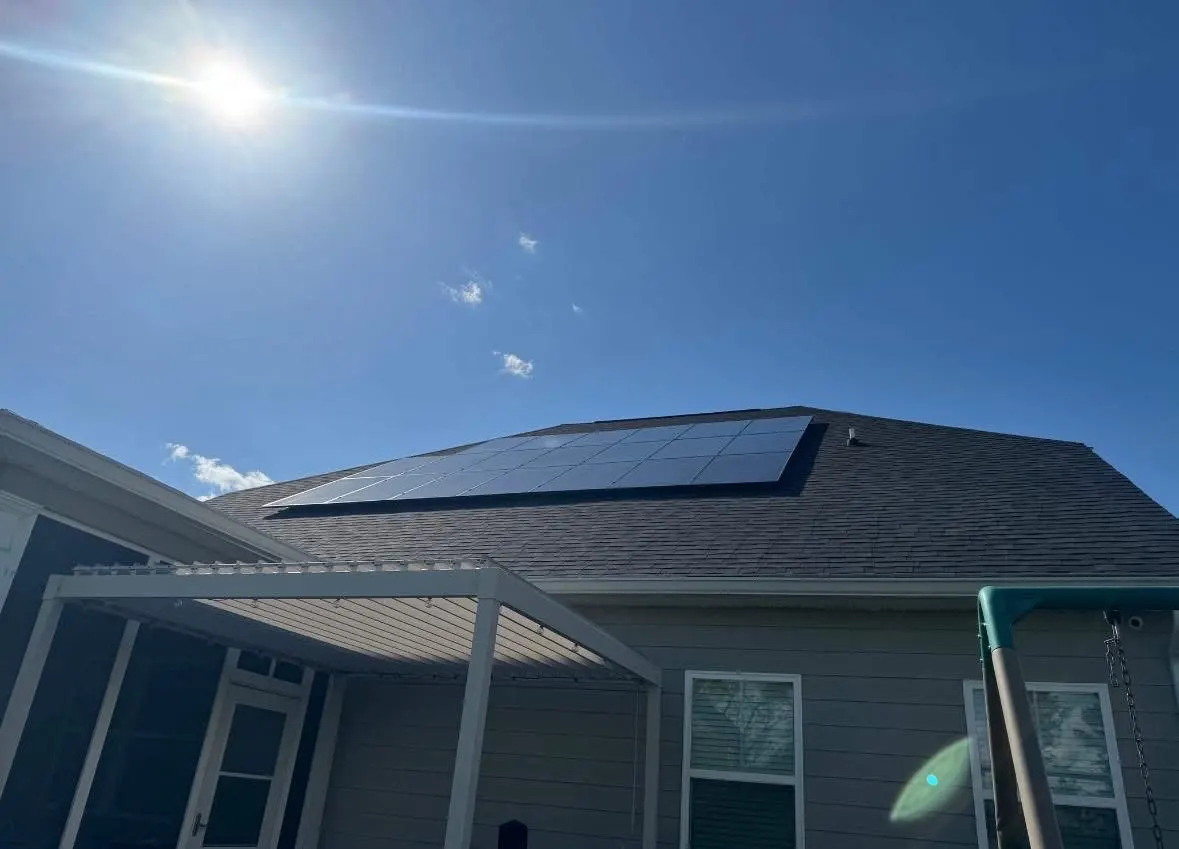
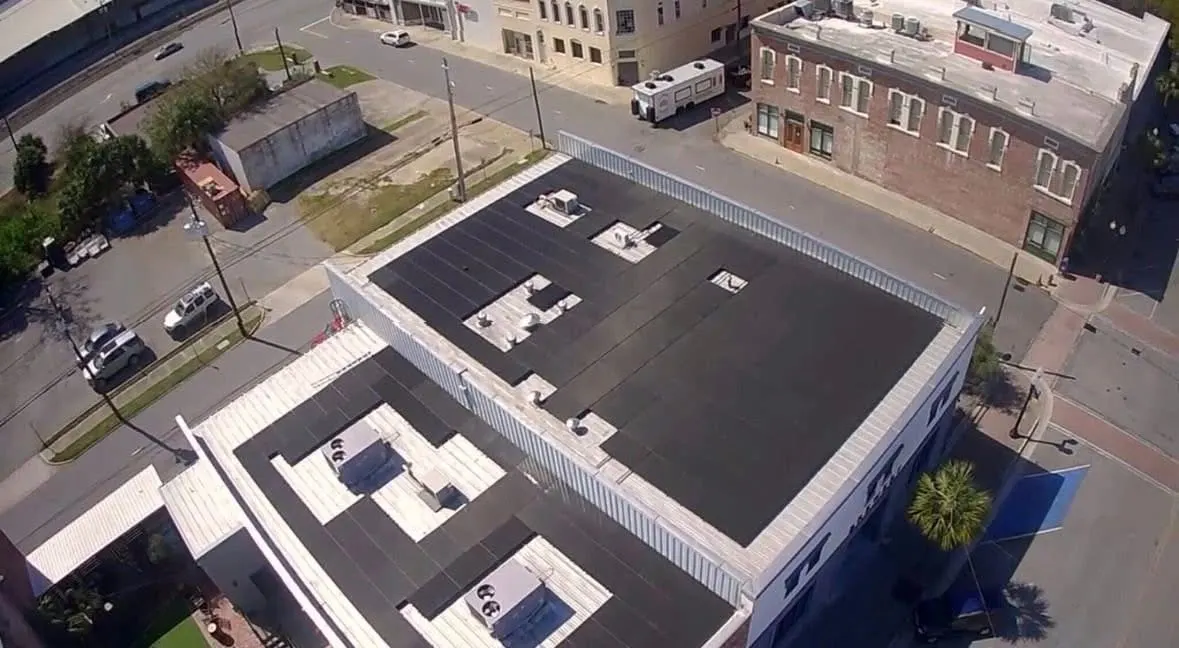
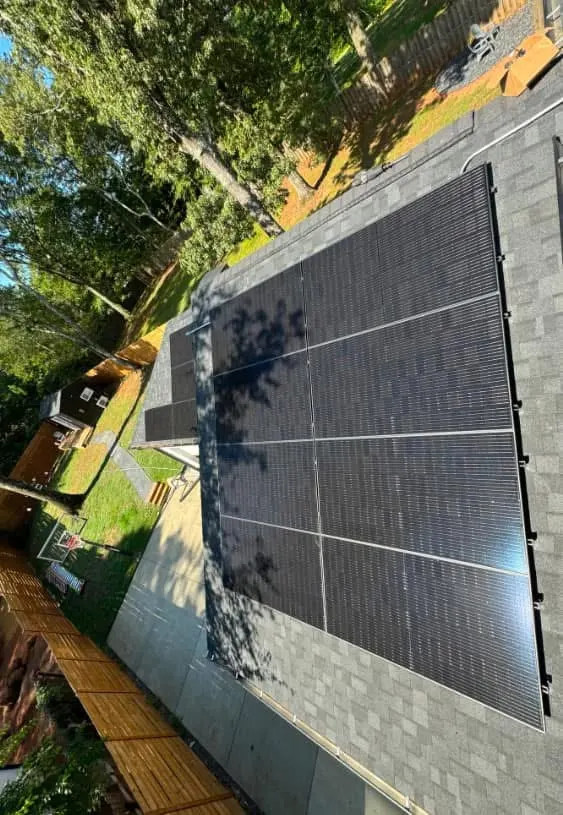
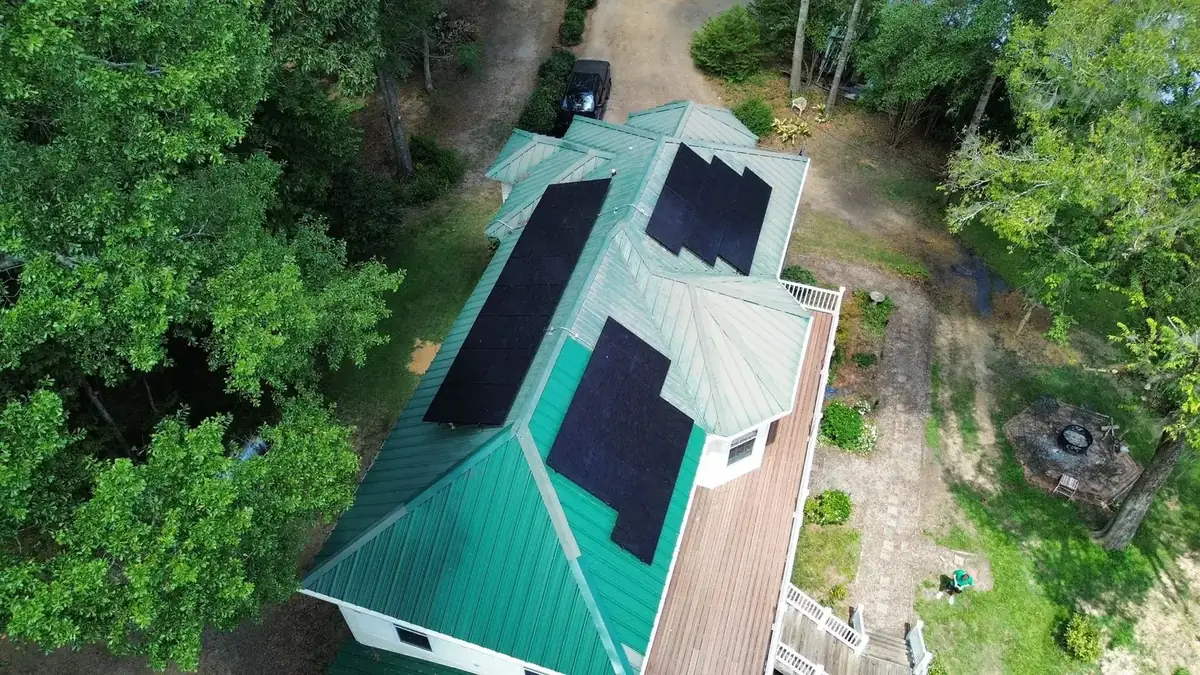
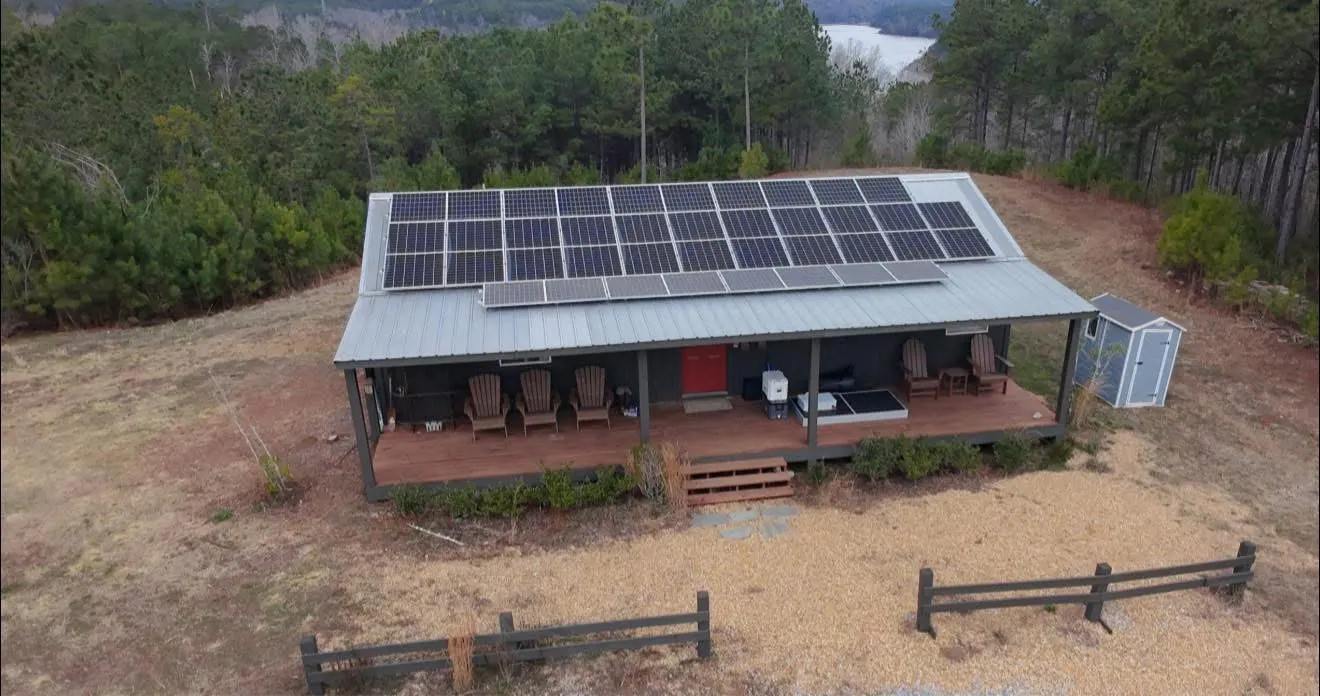
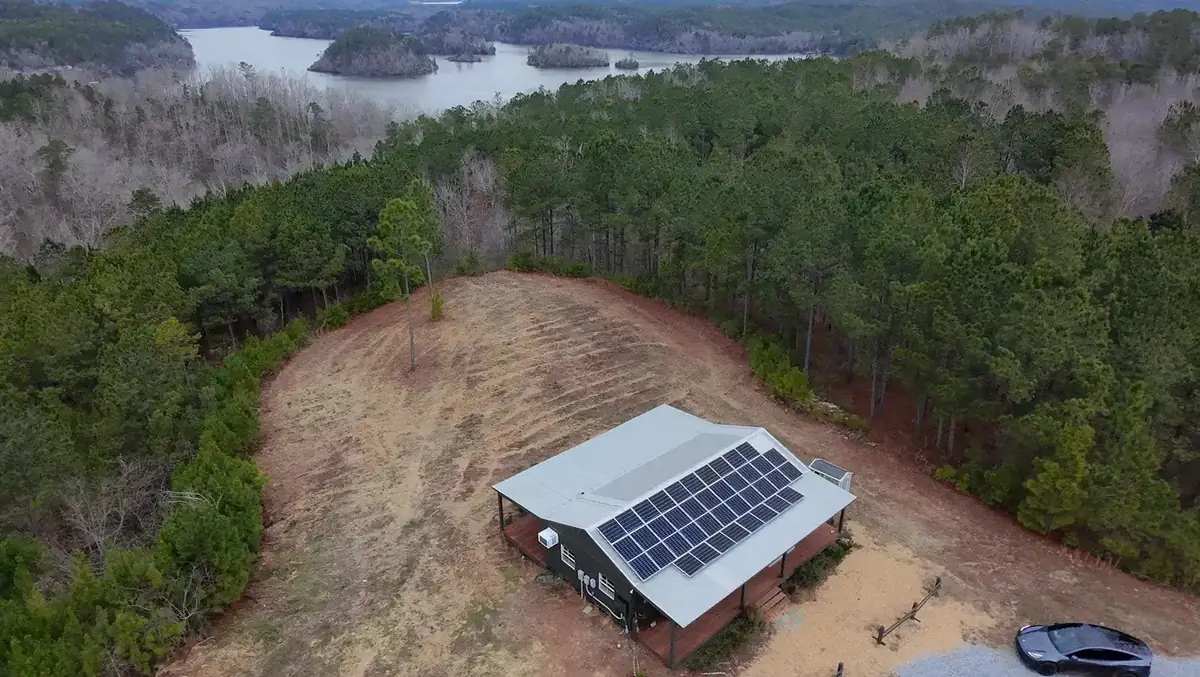
Photo locations are not published.
Free assessment · Lawrenceville, GA
We read your bill, confirm your City of Lawrenceville Utilities export terms, and tell you what your roof in Gwinnett County will actually carry, and say so if it will not pay.
Prefer to talk? (843) 310-1128
Lawrenceville EV charging FAQ
If you have solar, daytime charging is usually better under current rates. City of Lawrenceville Utilities credits exported power at a rate set by the city, confirmed per account while you buy power at a rate set by the city, confirmed against your own bill, so charging from your own midday production converts low-value export into high-value self-consumption.
Yes, hard-wired EV charging equipment is electrical work requiring a permit and inspection in Gwinnett County, and it must meet the National Electrical Code as adopted in Georgia. We pull the permit and handle the inspection.
A typical EV uses roughly 3,000 to 4,000 kWh a year. Each kW of panels here makes about 1,429 kWh a year, so about 2 to 3 kW of extra solar covers it. City of Lawrenceville Utilities households paid about 15.8¢ per kWh on average in 2024.
A hardwired Level 2 charger needs an electrical permit through Gwinnett County. We pull it and book the inspection.
Usually. Charging at midday uses power City of Lawrenceville Utilities would credit at a rate set by the city, confirmed per account instead of exporting it. City of Lawrenceville Utilities households paid about 15.8¢ per kWh on average in 2024.
Free, no-pressure assessment
We will run the load calculation, look at the route, tell you honestly whether you need a panel upgrade, and set charging up to work with your solar rather than against it.
Mon–Sat, 10am–6:30pm ET · We typically follow up within the hour.