


Most addresses
Dominion Energy South Carolina
- Average home rate (2024)
- 14.59¢/kWh
- Paid for exported solar
- about 2.8–4.1¢ per kWh
- Net-metered home solar, utility-wide
- 16,090
EV charging · North Charleston, SC
EV charger installation in North Charleston usually means a Level 2 circuit on Dominion Energy at an average 14.6¢ per kWh; 49% of homes here are detached, so most have a garage or driveway to wire to.
The solar angle worth knowing · as of July 2026
Level 2 home and workplace charging in North Charleston, permitted and code-compliant. If you have solar, an EV is the best load-shifting tool you own: charging from your own midday production converts power that would export at roughly 2.8–4.1¢ per kWh into power you avoid buying at about 14.4¢ per kWh. Cost is driven by your panel capacity and the cable route, not the charger.
Looking for a solar company in North Charleston? See solar companies in North Charleston: our local team, costs and a free assessment.
Free roof and bill assessment
Takes under a minute. No pressure, and no guaranteed-savings math.
Local charging reality
North Charleston splits into two genuinely different EV jobs and it is worth being clear which one you have. Older residential services frequently need attention before a dedicated 40 to 60 amp circuit can be added, and a load calculation is the honest first step rather than an optional extra. Commercial and fleet sites are a different project entirely, where the questions are load sharing, how many spaces, and who pays for the power.
On the residential side, a full panel upgrade is not always the answer. Where the calculation is marginal, a load-management device that prevents the charger and another large appliance drawing simultaneously is often substantially cheaper and entirely adequate for overnight charging. We will tell you which applies to your house before you commit to anything, because the two options are far apart on price.
For businesses, resolve the metering before the hardware. Workplace and fleet charging in this part of the metro often sits on sites with existing three-phase supply and real load headroom, which is an advantage, but who is billed for the energy and how it is measured is the question that actually needs answering first. Getting that wrong is expensive to unwind once conduit is in the ground.
Written for North Charleston specifically.
Solar + EV
A 9.5 kW system here makes about 14,300 kWh a year; a typical EV uses roughly 3,000 to 4,000. Charging at midday uses power Dominion Energy would otherwise credit at about 2.8–4.1¢ per kWh.
How we do it
A load calculation, the route from your panel, an electrical permit through Charleston County and the inspection. We tell you up front whether your panel needs an upgrade.
Cost
The distance from your panel to where the car parks, spare panel capacity for a 40 to 60 amp circuit, and any trenching. 49% of homes here are detached, so most have a garage or driveway run.
North Charleston specifics
Local constraints that come up on North Charleston charger installs.
Charleston County treats hard-wired charging as electrical work.
A dedicated 40 to 60 amp circuit needs room. Older coastal-city services are often already full.
Salt air is unkind to under-specified outdoor enclosures and connectors. Coastal-rated hardware is not optional here.
Residential HOAs are common in the newer subdivisions, and some older districts have design overlays. Commercial frontages can also be subject to review.
Panel beside the parking spot is the cheap case. A detached garage needing a trench is the expensive one. This drives price more than the charger does.
For businesses, load sharing and who pays for the power matter more than hardware. See commercial.
Dominion Energy South Carolina bills at about 14.4¢ per kWh retail and credits exported solar at roughly 2.8–4.1¢ per kWh (July 2026); Berkeley Electric Cooperative serves some addresses, so confirm the account. That gap is the whole argument for charging during generating hours rather than overnight.
Storm-season outages affect this part of the metro as much as the peninsula, and backup matters as much for small business continuity here as for homes.
Permits and approvals
6 approvals for a North Charleston system. We file every one.
Standing monthly charge:about $14 a month, included in our payback figures.
Your utility decides payback
Dominion Energy South Carolina and Berkeley Electric Cooperative split North Charleston street by street. We read yours off your bill first.
Most addresses
Some addresses
For comparison: South Carolina average 14.23¢ · U.S. average 16.48¢. South Carolina had 40,055 net-metered home solar systems at the end of 2024.
Rates: US EIA Form EIA-861, 2024 averages incl. fixed charges, not tariffs. Export terms as of July 2026.
Homes in North Charleston
Source: US Census Bureau, American Community Survey 2023 5-year estimates for North Charleston city. Estimates, rounded.
Our work
Our own job photos, not stock or renders. Charleston County coastal wind loading applies, and the large low-slope commercial roofs common here need ballast and membrane detail rather than shingle mounting.
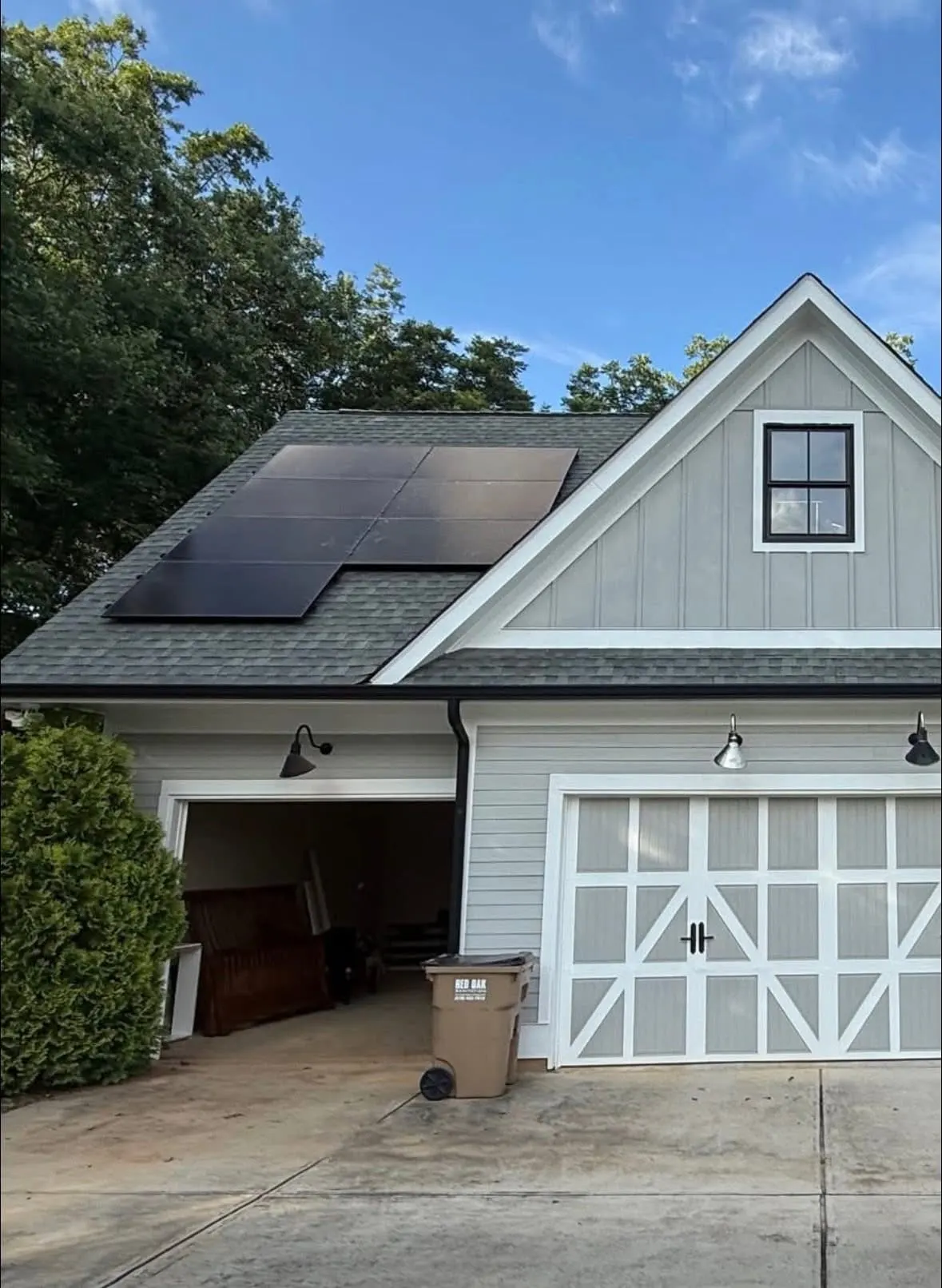
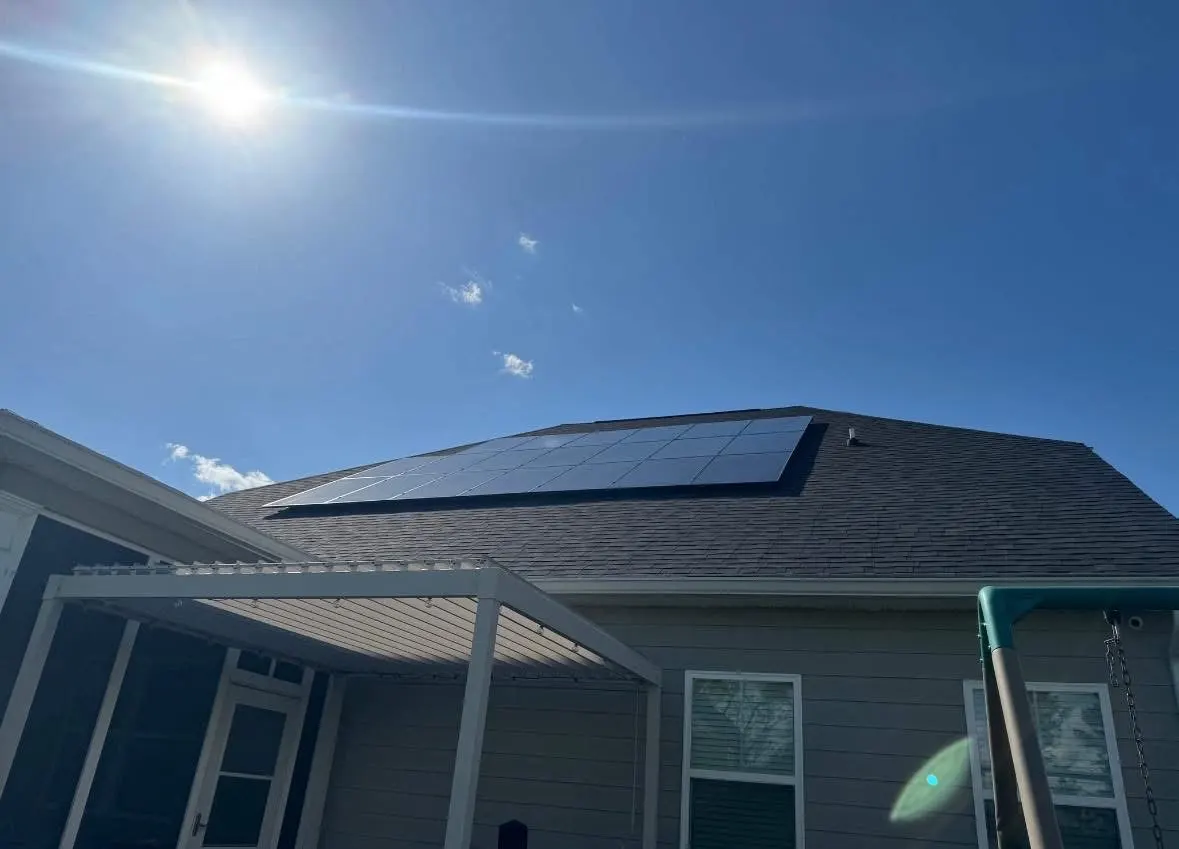
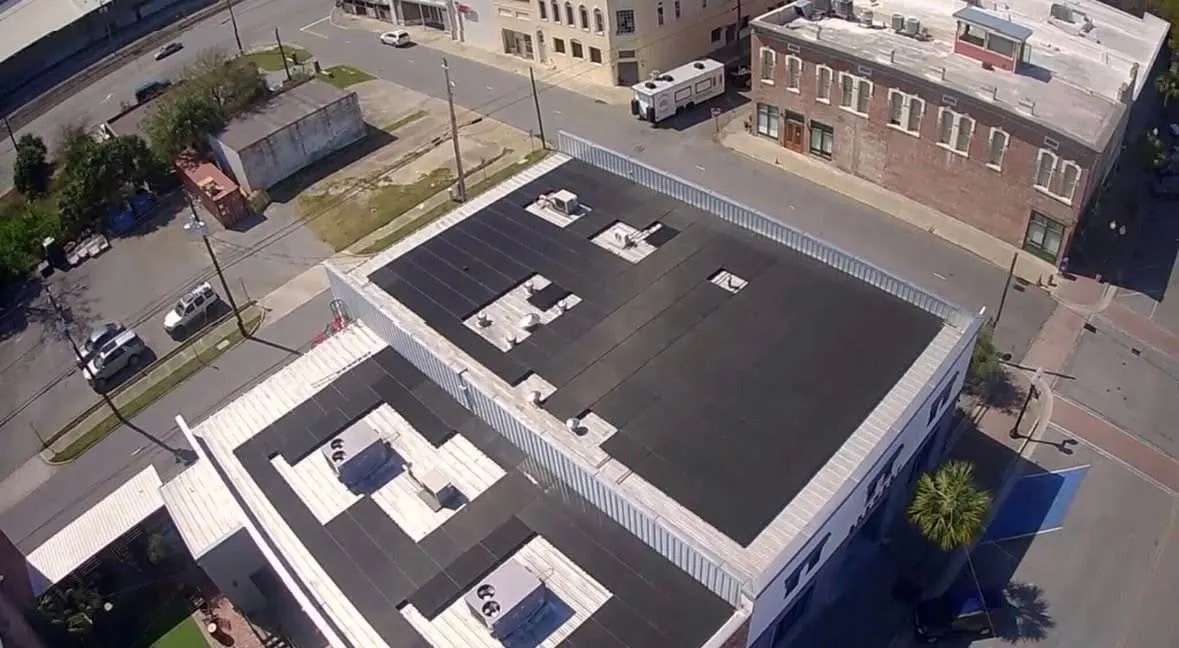
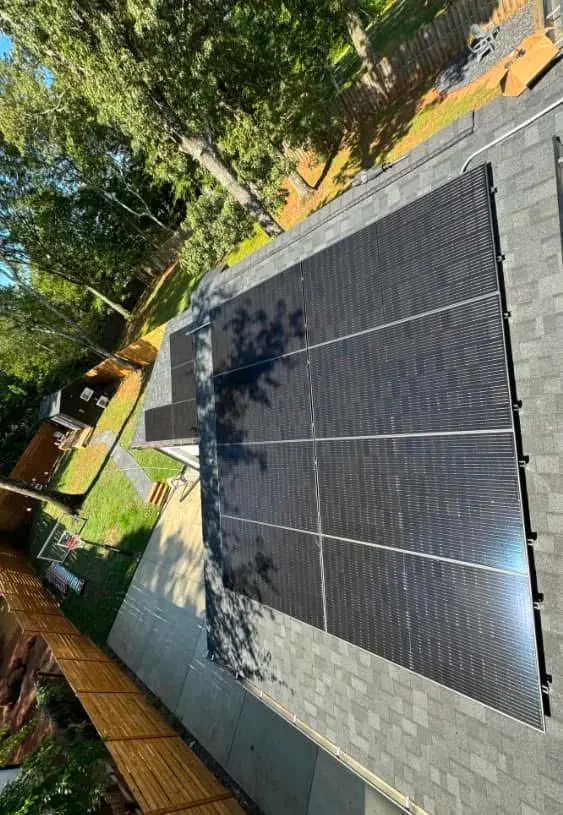
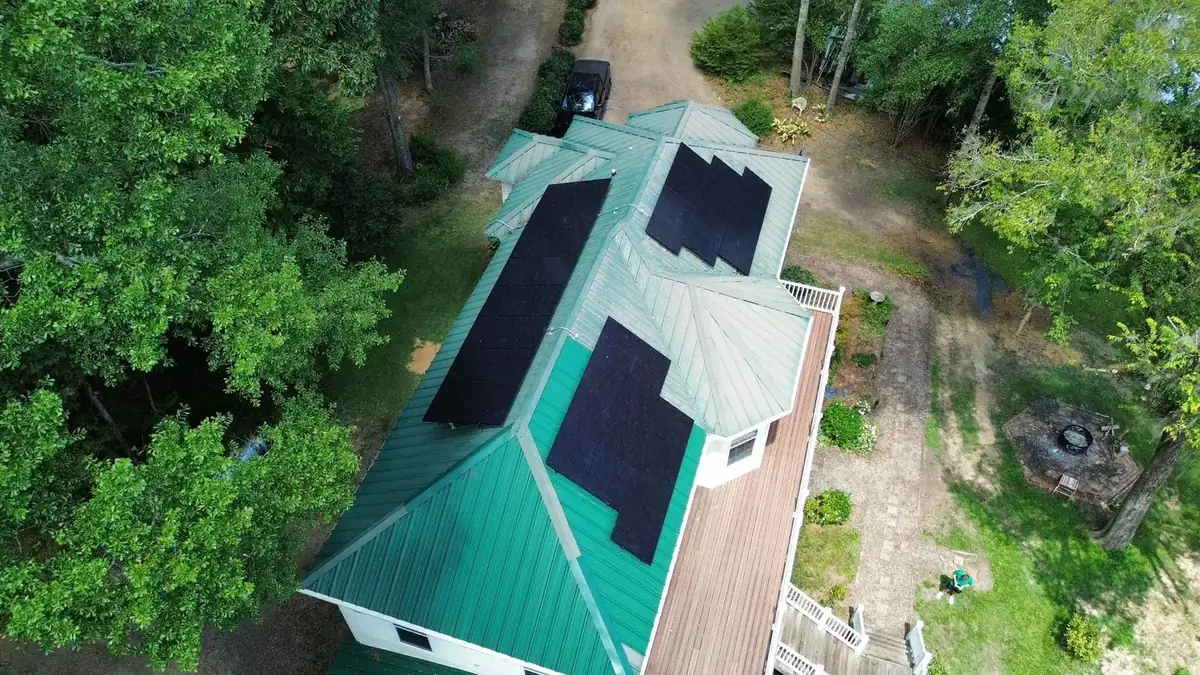
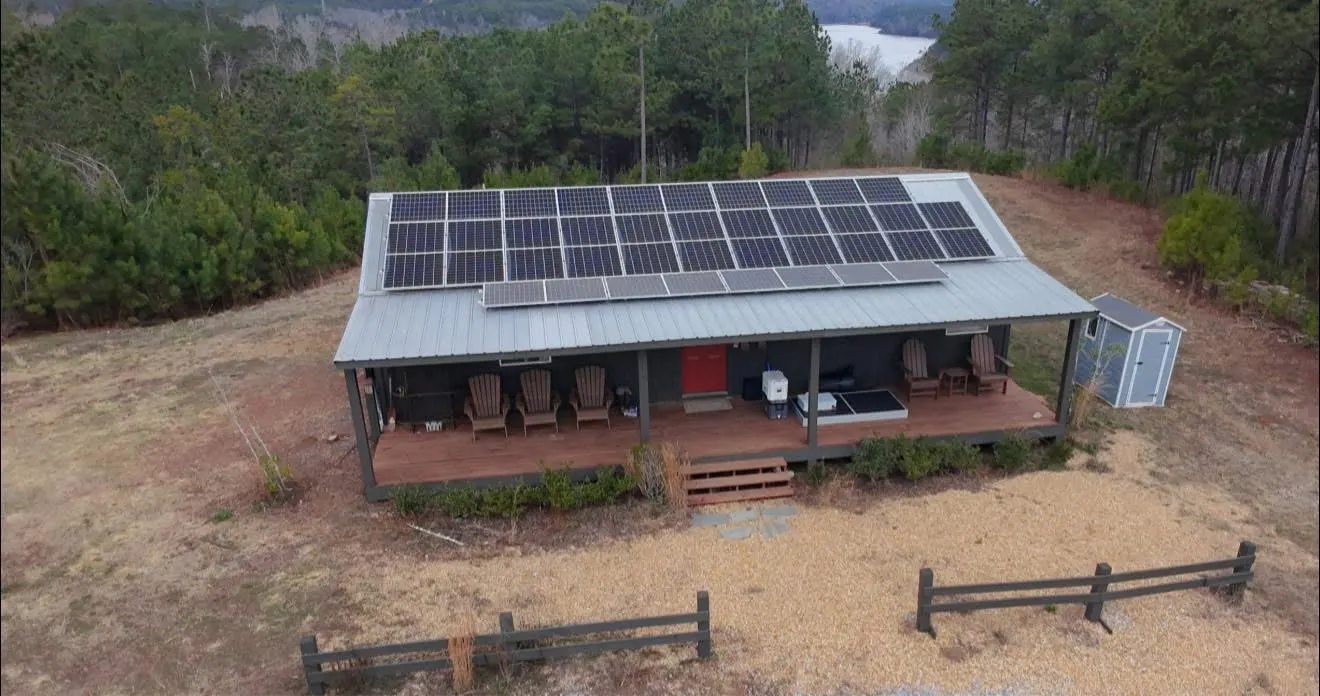
Photo locations are not published.
Free assessment · North Charleston, SC
We read your bill, confirm your Dominion Energy South Carolina export terms, and tell you what your roof in Charleston County will actually carry, and say so if it will not pay.
Prefer to talk? (843) 310-1128
North Charleston EV charging FAQ
If you have solar, daytime charging is usually better under current rates. Dominion Energy South Carolina credits exported power at roughly 2.8–4.1¢ per kWh while you buy power at about 14.4¢ per kWh, so charging from your own midday production converts low-value export into high-value self-consumption.
Yes, hard-wired EV charging equipment is electrical work requiring a permit and inspection in Charleston County, and it must meet the National Electrical Code as adopted in South Carolina. We pull the permit and handle the inspection.
A typical EV uses roughly 3,000 to 4,000 kWh a year. Each kW of panels here makes about 1,505 kWh a year, so about 2 to 3 kW of extra solar covers it. Dominion Energy households paid about 14.6¢ per kWh on average in 2024.
A hardwired Level 2 charger needs an electrical permit through Charleston County. We pull it and book the inspection.
Usually. Charging at midday uses power Dominion Energy would credit at about 2.8–4.1¢ per kWh instead of exporting it. Dominion Energy households paid about 14.6¢ per kWh on average in 2024.
Nearby
Keep reading
Plan a Level 2 EV charger installation by vehicle limits, panel capacity, hardwire or plug connection, permits, quote scope, and acceptance tests.
27 min readCalculate solar panels for EV charging from miles, vehicle efficiency, home charging, PVWatts yield, module wattage, roof fit, and utility rules.
24 min readChoose a two-EV home charging design using both vehicles, parking windows, shared or independent EVSE, aggregate controls, capacity, and testing.
25 min readPlan a detached-garage EV charger using feeder or branch options, grounding, trench routes, capacity controls, parking, permits, and commissioning.
24 min readEV load management vs panel upgrade: compare lower charging output, managed charging, panel, service and utility work using a documented load calculation.
24 min readCoordinate home service, meter, panels, feeders, solar, storage, EV charging, controls, and future loads through one documented capacity roadmap.
20 min readFree, no-pressure assessment
We will run the load calculation, look at the route, tell you honestly whether you need a panel upgrade, and set charging up to work with your solar rather than against it.
Mon–Sat, 10am–6:30pm ET · We typically follow up within the hour.