


Serves Virginia Beach
Dominion Energy Virginia
- Average home rate (2024)
- 14.09¢/kWh
- Paid for exported solar
- credited one-for-one at retail against your own annual usage
- Net-metered home solar, utility-wide
- 53,368
An honest answer · Virginia Beach, VA
Is solar worth it in Virginia Beach? For a 9.5 kW system at about $27,550 making about 12,830 kWh a year on Dominion Energy at an average 14.1¢ per kWh, it depends on how much you use at home.
The honest answer · as of August 2026
For some Virginia Beach homes yes, for others no. Dominion Energy Virginia credits exports at credited one-for-one at retail against your own annual usage, so the deciding number is how much of the 12,830 kWh a 9.5 kW system makes here you use yourself. Half of Virginia Beach homes are more than 42 years old, so the roof check matters here: a roof with under ten years left should be replaced before solar goes on, or at the same time.
Looking for a solar company in Virginia Beach? See solar companies in Virginia Beach: our local team, costs and a free assessment.
Free roof and bill assessment
Takes under a minute. No pressure, and no guaranteed-savings math.
Local verdict
Virginia Beach is among the strongest cases in our whole territory, and the reasons stack rather than offset. Coastal Virginia gets better light than Northern Virginia, retail net metering means every kilowatt-hour is worth full value, and the mandatory property-tax exemption removes a question other states leave open.
What decides an individual house is the roof and the flood zone. Older neighbourhoods carry mature canopy that takes real production; newer development is largely open. And if elevation requirements leave nowhere sensible for ground equipment, that constrains a storage design even where the array itself is straightforward.
Written for Virginia Beach specifically.
What changed
The federal homeowner credit ended on December 31, 2025. Virginia has no state credit, so the export terms carry the case.
What decides it
What Dominion Energy credits for exports, how much of your 12,830 kWh you use at home, your roof (the median Virginia Beach home was built in 1984) and shade, and how long you will stay.
Two lists
Getting to a real answer
For a Virginia Beach address on Dominion Energy Virginia, in City of Virginia Beach (independent city).
Resale
The median owner-occupied home here is valued at about $366k. Owned systems generally help resale; leased ones need the buyer to take over the agreement.
Permits and approvals
6 approvals for a Virginia Beach system. We file every one.
Standing monthly charge:about $1 a month for customers connecting under NEM 2.0, included in our payback figures.
Your utility decides payback
Your utility sets what exported power is worth, which shapes the right system size more than any panel choice.
Serves Virginia Beach
For comparison: Virginia average 14.41¢ · U.S. average 16.48¢. Virginia had 69,553 net-metered home solar systems at the end of 2024.
Rates: US EIA Form EIA-861, 2024 averages incl. fixed charges, not tariffs. Export terms as of August 2026.
Virginia Beach sun, month by month
About 12,830 kWh a year from a south-facing roof with no shade. May is the strongest month at about 1,259 kWh and December the weakest at about 751 kWh.
Your roof will differ. A mix of open newer development and older neighbourhoods with mature canopy, decided street by street.
Estimate: NASA POWER sun data for Virginia Beach, PVWatts model, south-facing, no shade.
Our work
Our own job photos, not stock or renders. Coastal.
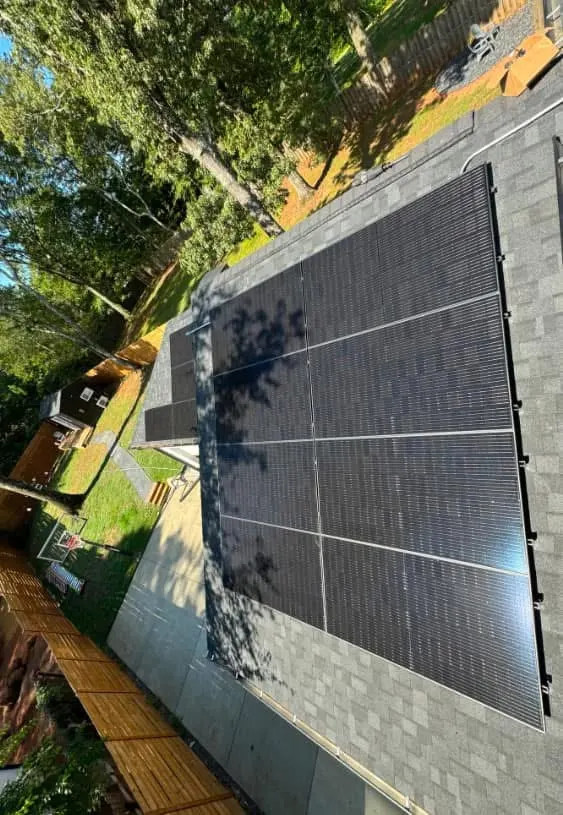
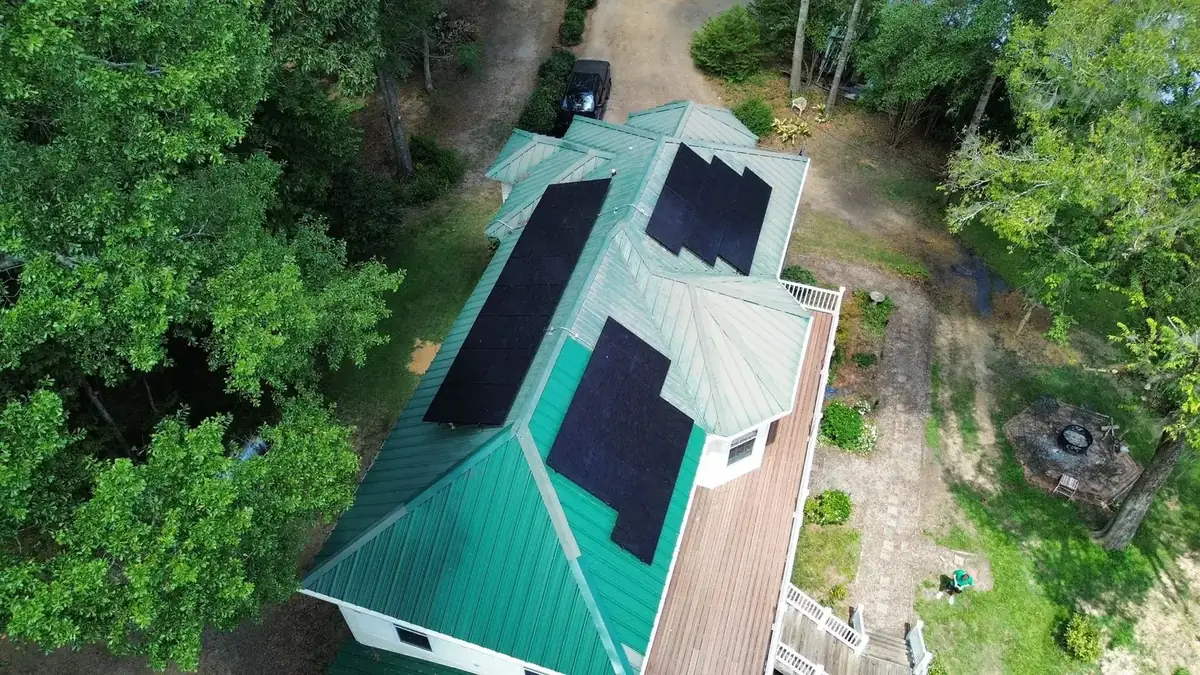
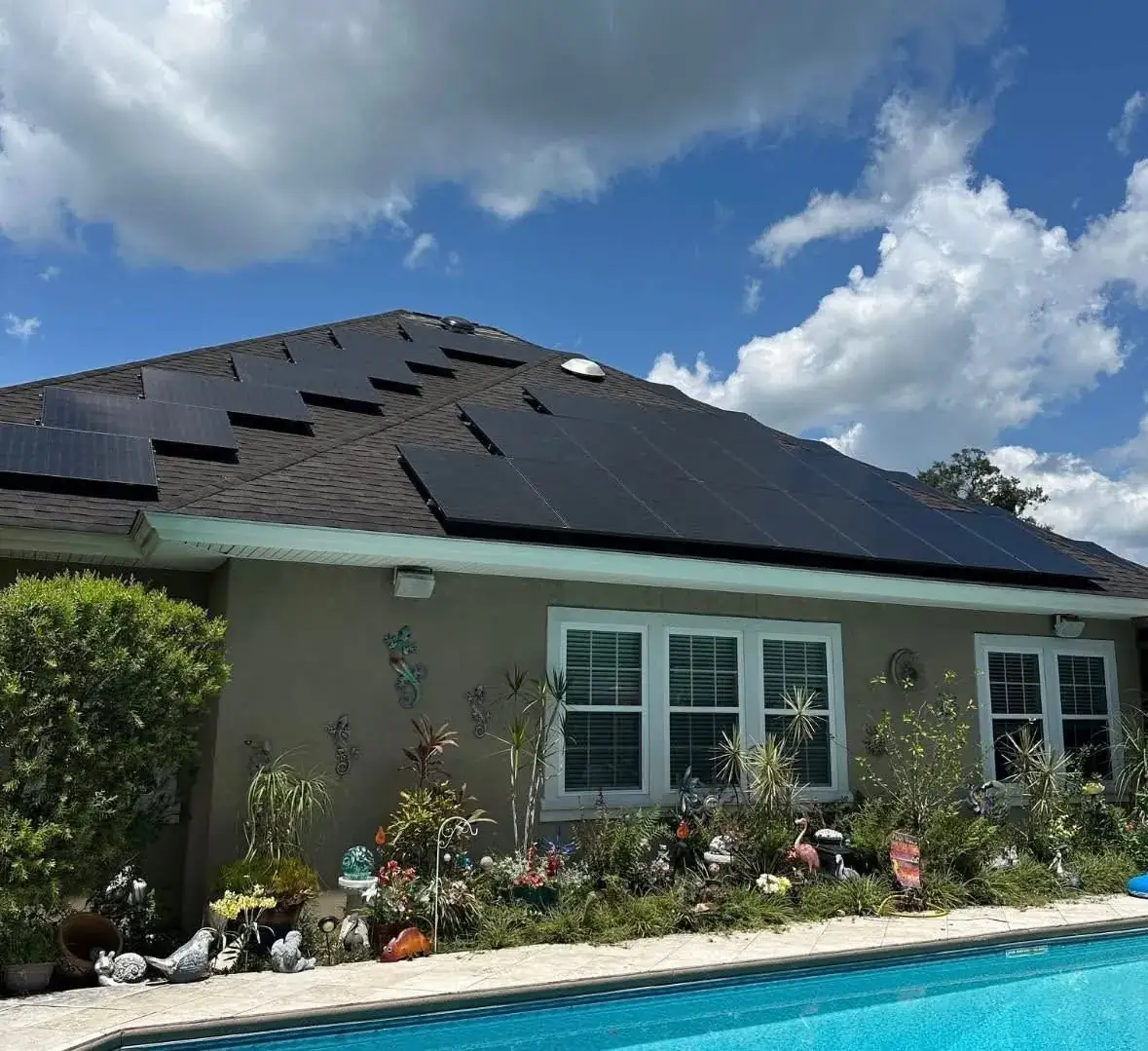
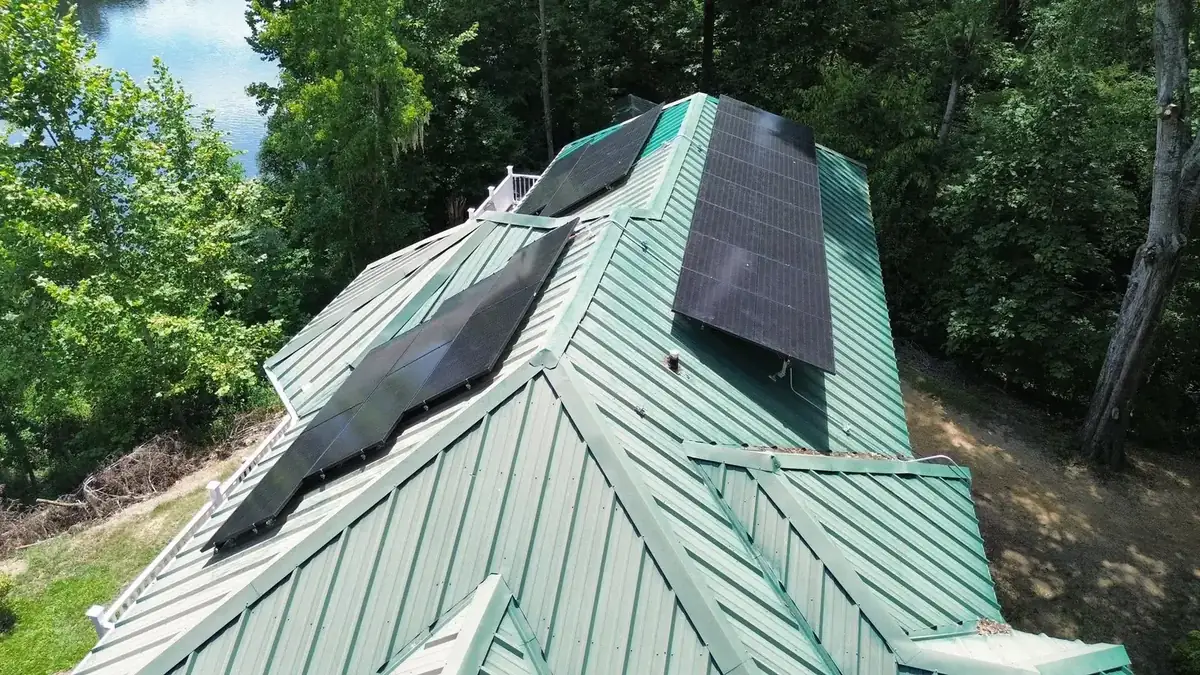
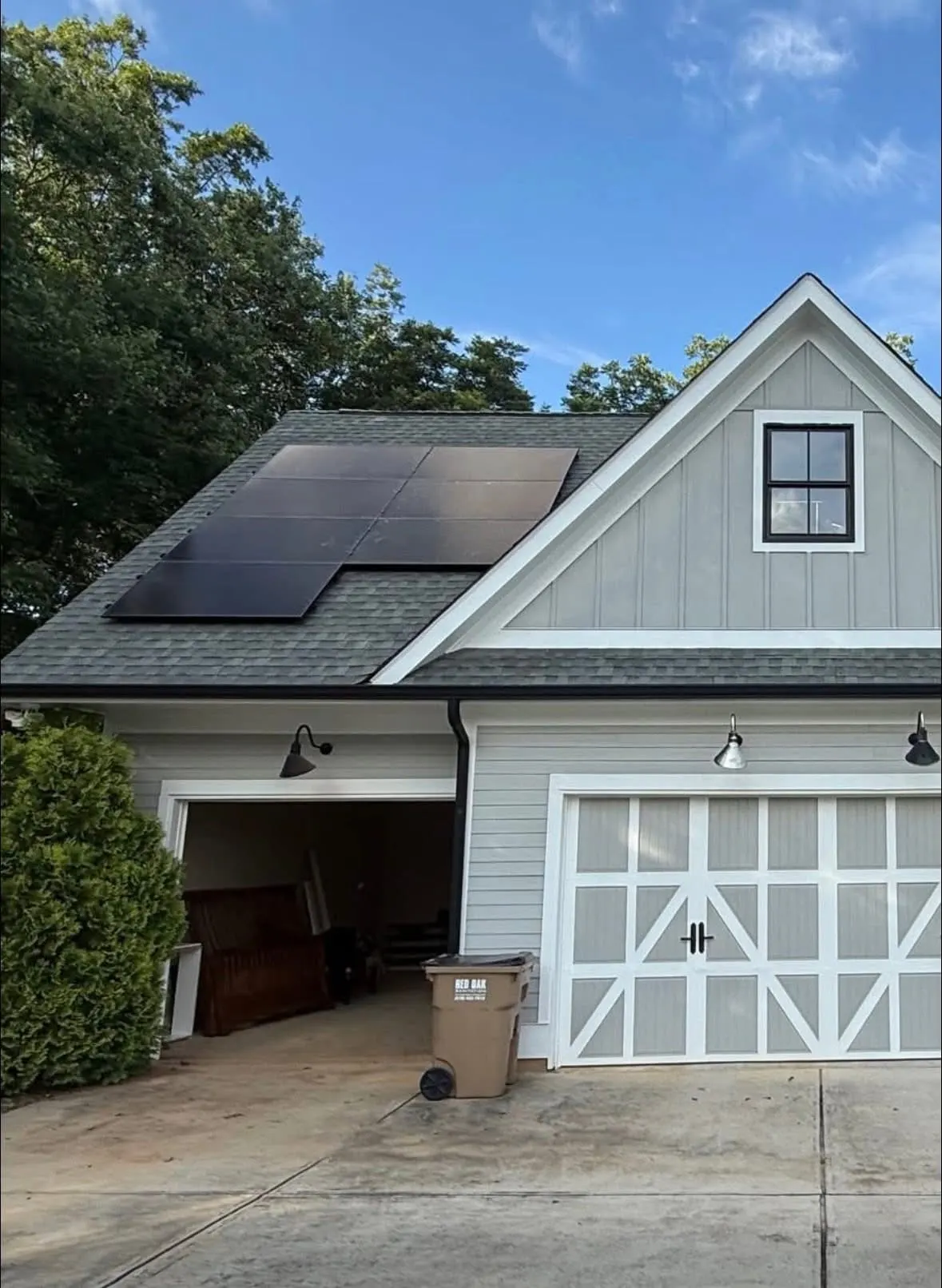
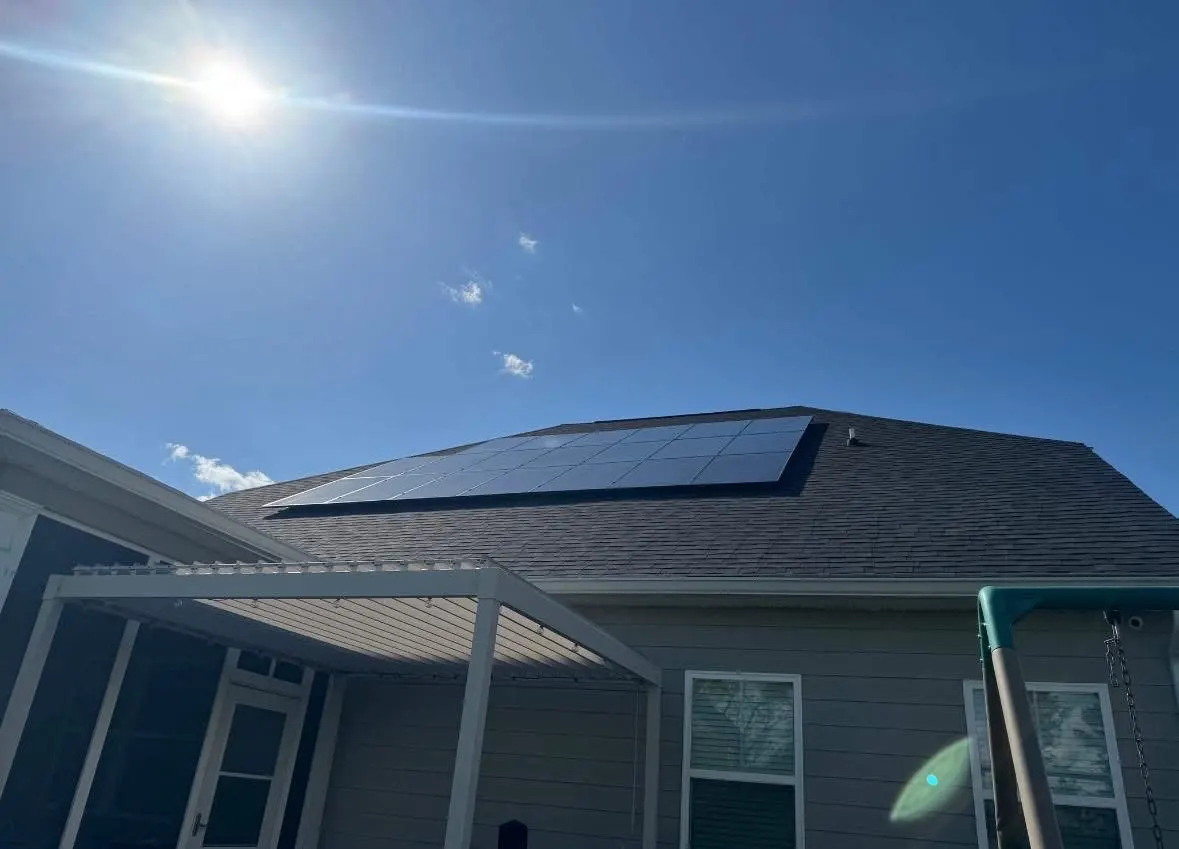
Photo locations are not published.
Free assessment · Virginia Beach, VA
We read your bill, confirm your Dominion Energy Virginia export terms, and tell you what your roof in City of Virginia Beach (independent city) will actually carry, and say so if it will not pay.
Prefer to talk? (843) 310-1128
Virginia Beach worth-it FAQ
For some Virginia Beach homes, yes. A 9.5 kW system here costs about $27,550 and makes about 12,830 kWh a year, worth roughly $150 a month of Dominion Energy Virginia power at its average rate. Mature canopy shades your best roof planes for much of the day, which is common across the older neighbourhoods.
Yes. The 30% federal homeowner credit ended on December 31, 2025. Virginia still credits exported power one-for-one at retail against your annual usage; the State Corporation Commission preserved that for Dominion Energy Virginia customers in its 30 April 2026 NEM 2.0 ruling.
A 9.5 kW system in Virginia Beach offsets roughly $150 a month of Dominion Energy Virginia power at its 14.1¢ average rate, if you use it all at home. A bill well under that leaves too little to offset; a bill above it, with daytime use, is worth modelling properly.
Virginia still credits exported power one-for-one at retail against your annual usage; the State Corporation Commission preserved that for Dominion Energy Virginia customers in its 30 April 2026 NEM 2.0 ruling. Dominion Energy households paid about 14.1¢ per kWh on average in 2024. The more of your 12,830 kWh a year you use at home, the better it pays.
Half of Virginia Beach homes are more than 42 years old, so the roof check matters here: a roof with under ten years left should be replaced before solar goes on, or at the same time. Doing the roof first, or both together, avoids paying to remove and reinstall the panels later.
It costs about $27,550 and makes about 12,830 kWh a year here unshaded. Dominion Energy households paid about 14.1¢ per kWh on average in 2024.
Free, no-pressure assessment
We will confirm your utility, read your real usage, measure your shade and check your roof, then tell you honestly whether solar is worth it at your address. Including if the answer is no.
Mon–Sat, 10am–6:30pm ET · We typically follow up within the hour.