


Owned solar panels generally add appraised value to a South Carolina home, often in the range of thousands of dollars depending on system size and age, while leased or PPA systems frequently add little to no resale value and can even slow a sale down. So will solar panels increase your home value? The honest answer depends less on the panels themselves and more on how you paid for them and how well you documented the system.
Key Takeaways
- Ownership matters most: Paid-off or financed-and-owned systems appraise as a home improvement; leased or PPA systems usually do not.
- Buyer demand is rising: Utility rate increases in South Carolina are pushing more buyers to actively search for homes with solar already installed.
- Paperwork protects your price: Permit records, interconnection approval, and warranty transfer terms are what a buyer’s agent and appraiser will ask for first.
- Age and warranty remaining count: A 3-year-old system with 22 years of warranty left appraises differently than a 15-year-old system nearing end of life.
- Battery storage is valued separately: Backup power appeal, especially after storm season, can be a distinct selling point beyond the panels alone.
At a Glance: Solar and Home Value
| Factor | Owned System | Leased / PPA System |
|---|---|---|
| Appraisal impact | Usually adds value | Usually neutral or negative |
| Buyer appeal | High, seen as an asset | Mixed, buyers must assume contract |
| Documentation needed | Permits, warranty, production data | Lease transfer approval, payment history |
| Sale complexity | Low, treated like any upgrade | Higher, third-party lender/lease company involved |
| Warranty transfer | Usually transferable to new owner | Depends on lease company policy |
| Typical closing delay | None if paperwork is organized | Can add days to weeks for approval |

Does Owning vs. Leasing Solar Change the Answer?
Ownership structure is the single biggest factor in whether solar panels increase your home value. A system you own outright, whether paid in cash or through a solar loan that’s already paid off, gets treated by most appraisers and buyers as a permanent home improvement, similar to a new roof or an updated HVAC system. It shows up as an asset on the sale, not a liability.
Leases and power purchase agreements work differently. The panels sit on your roof, but a third-party company owns the equipment and collects a monthly payment. When you sell, that lease has to either transfer to the new buyer, who must qualify and agree to the remaining term, or you have to pay it off before closing. Many buyers get nervous about inheriting someone else’s contract, and some lenders flag transferable leases during underwriting. That friction is why leased systems rarely add measurable resale value, even though they still lower the seller’s electric bill while they own the home.
If you’re still deciding between financing structures, our breakdown of what to ask before signing a solar contract covers exactly which lease and PPA terms to scrutinize before you commit, since those clauses are what future buyers will be reading too.
How Appraisers Actually Value a Solar-Equipped Home
Appraisers don’t have a simple formula that adds a fixed dollar amount per panel. Instead, most use one of two approaches. The cost approach estimates what it would cost to install a similar system today, then depreciates it based on age and remaining warranty. The income approach, used more often for larger systems, estimates the present value of future electric bill savings the panels will provide.
Both approaches run into a practical problem in parts of South Carolina: a shortage of comparable solar-equipped home sales in the same neighborhood. Appraisers rely heavily on recent, similar sales, and if few solar homes have sold nearby, they may lean on national studies from sources like the U.S. Department of Energy, which has found solar-equipped homes often sell at a premium compared to similar homes without solar, though the exact figure varies by market and system size.

Age and remaining warranty coverage matter more than most homeowners expect. A system installed two years ago with a 25-year manufacturer warranty and a decade left on a workmanship warranty reads very differently to an appraiser than a 14-year-old system with a lapsed workmanship warranty and visibly aging inverters. If you’re weighing warranty depth before you even install, our guide on how to compare solar warranty coverage before you buy explains which coverage tiers actually hold up over a 20-plus year ownership window.
Battery storage tends to get appraised, and marketed, separately from the panels themselves. A home with panels plus a battery that can carry essential loads through an outage is a different sales pitch than panels alone, particularly along the coast where hurricane season creates real urgency. If backup power is part of your setup or on your wish list, see how home battery storage cost factors into your total investment and resale story.
What South Carolina Buyers Are Actually Looking For
Buyer demand for solar homes has shifted noticeably as utility rates climb. Homes served by Santee Cooper or Dominion Energy territories are increasingly marketed with monthly electric bill history as a selling point, not just a footnote. Buyers who’ve watched rate hikes in the news are actively asking their agents to filter listings for solar.
A few things move the needle with real buyers touring a solar home:
- HOA-approved installations reduce a buyer’s fear of compliance headaches, since the paperwork trail already proves the system passed architectural review.
- Backup power capability resonates strongly in coastal and low-country areas that deal with storm-related outages.
- Utility interconnection approval on file reassures buyers the system is legally connected to the grid and eligible for net metering, not an unpermitted install.
- Local installer reputation carries weight, since buyers often ask who installed the system and whether that company is still in business to honor warranties.
If your system runs through Santee Cooper’s territory, our explainer on the Santee Cooper solar interconnection process walks through exactly what documentation gets filed and why buyers’ agents ask for it during due diligence.
The Documentation That Protects Your Resale Value
A solar system without paperwork is a harder sell than one with a clean file. Buyers, their agents, and appraisers all want to see the same handful of documents, and gathering them now, while everything is fresh, saves a scramble at closing later.
Keep these items together in one folder from the day your system goes live:
- Building permit and final inspection approval from your county
- Utility interconnection agreement and permission-to-operate letter
- Manufacturer warranty certificates for panels, inverters, and battery (if installed)
- Workmanship warranty from your installer, including transfer terms for a new owner
- Two to three years of production and monitoring data showing the system performs as expected
- Original system design specs and equipment model numbers
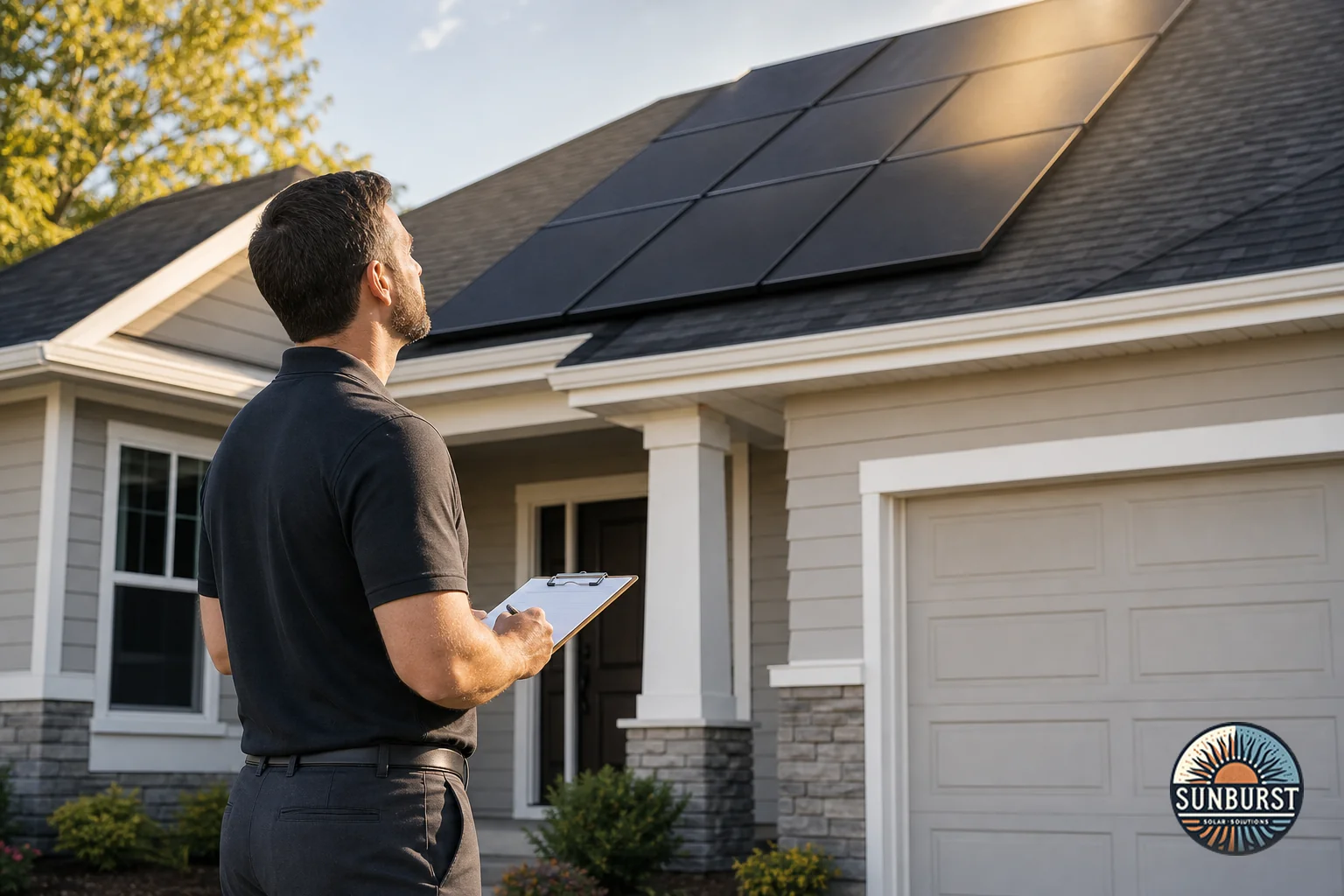
Warranty transfer language deserves particular attention. Some manufacturer and workmanship warranties transfer automatically to a new homeowner; others require a formal notification within a set window after closing. Missing that window can void coverage right when a new buyer needs it most. This is one reason working with an installer who provides a 10-year workmanship warranty and clear transfer instructions, rather than vague language buried in a contract, protects the value you’re trying to preserve.
If you inherited a system, bought a solar home secondhand, or are curious whether your roof needs attention before your own install, our piece on whether your roof needs replacing before solar panels is worth a read, since a roof issue discovered mid-sale can undo months of resale planning.
Common Questions Homeowners Ask Before Going Solar
Do solar panels hurt resale value in an HOA neighborhood?
Not when the installation went through proper architectural review. HOA-approved systems come with documentation that reassures buyers and appraisers alike. Systems installed without approval can create real problems at resale, including forced removal clauses in some HOA covenants.
How do I find solar system installers near me who understand resale value?
Look for a local installer with a track record in your specific South Carolina market, not just a national call center. A local team understands regional appraisal norms, HOA requirements, and utility interconnection quirks that a remote company may not.
What solar panel maintenance affects home value the most?
Keeping production monitoring active and addressing performance drops quickly matters more than cosmetic panel cleaning. A system with a documented maintenance history and no unresolved performance issues appraises better than one with gaps in its record.
Should I worry about commercial solar repair near me if I have a residential system?
Residential and commercial systems use different equipment scales, but the underlying lesson applies to both: prompt repairs and a documented service history protect the asset’s value, whether it’s on a house or a storefront.
Getting the Resale Math Right From Day One
The homeowners who see the strongest return when they eventually sell are the ones who treated their solar decision like a long-term investment from day one, not just a way to trim this month’s bill. That means choosing ownership over a lease when the numbers support it, working with an installer who stands behind clear warranty terms, and keeping every permit and inspection document somewhere you can find it in five or ten years.
Sunburst Solar Solutions designs systems across South Carolina with that resale question in mind, from HOA approval support to the paperwork buyers and appraisers will eventually ask for. If you’re weighing whether a new system will pay off at resale, or want a second opinion on a system you already own, get a free assessment and talk through your specific home, roof, and neighborhood with a local team that will still be here when you’re ready to sell.