


The Santee Cooper solar interconnection process runs on two parallel tracks: local building permits and a separate utility review of your system’s safety equipment and grid impact. Most homeowners move from signed contract to permission to operate in four to ten weeks, and the biggest delays almost always trace back to incomplete paperwork rather than the technology itself.
Key Takeaways
- Two approvals, not one: Your county or city issues the building/electrical permit, while Santee Cooper (or your member cooperative) separately approves the interconnection agreement before your system can legally turn on.
- Typical timeline: Expect 4-10 weeks total, with utility technical review usually taking 10-20 business days once a complete application is submitted.
- Paperwork errors cause most delays: Missing one-line diagrams, unsigned net metering agreements, or mismatched equipment specs are the top reasons applications bounce back.
- Permission to Operate (PTO) is mandatory: Flipping the system on before Santee Cooper issues PTO can violate your interconnection agreement and void certain protections.
- An installer who manages both tracks in-house typically shaves one to three weeks off the process by submitting accurate paperwork the first time.
Santee Cooper Interconnection at a Glance
| Step | Who Handles It | Typical Timeframe | Key Document |
|---|---|---|---|
| Site design & equipment specs | Installer | 1-2 weeks | One-line electrical diagram |
| Local building/electrical permit | Installer + county/city | 1-4 weeks | Permit application |
| Interconnection application | Installer submits to Santee Cooper | Filed alongside permit | Interconnection & net metering agreement |
| Utility technical review | Santee Cooper engineering | 10-20 business days | System size, disconnect switch confirmation |
| Final municipal inspection | Local inspector | 3-10 business days after install | Inspection sign-off |
| Meter set / PTO | Santee Cooper | 5-15 business days after inspection | Permission to Operate letter |
Who Santee Cooper Serves and Why Interconnection Rules Matter
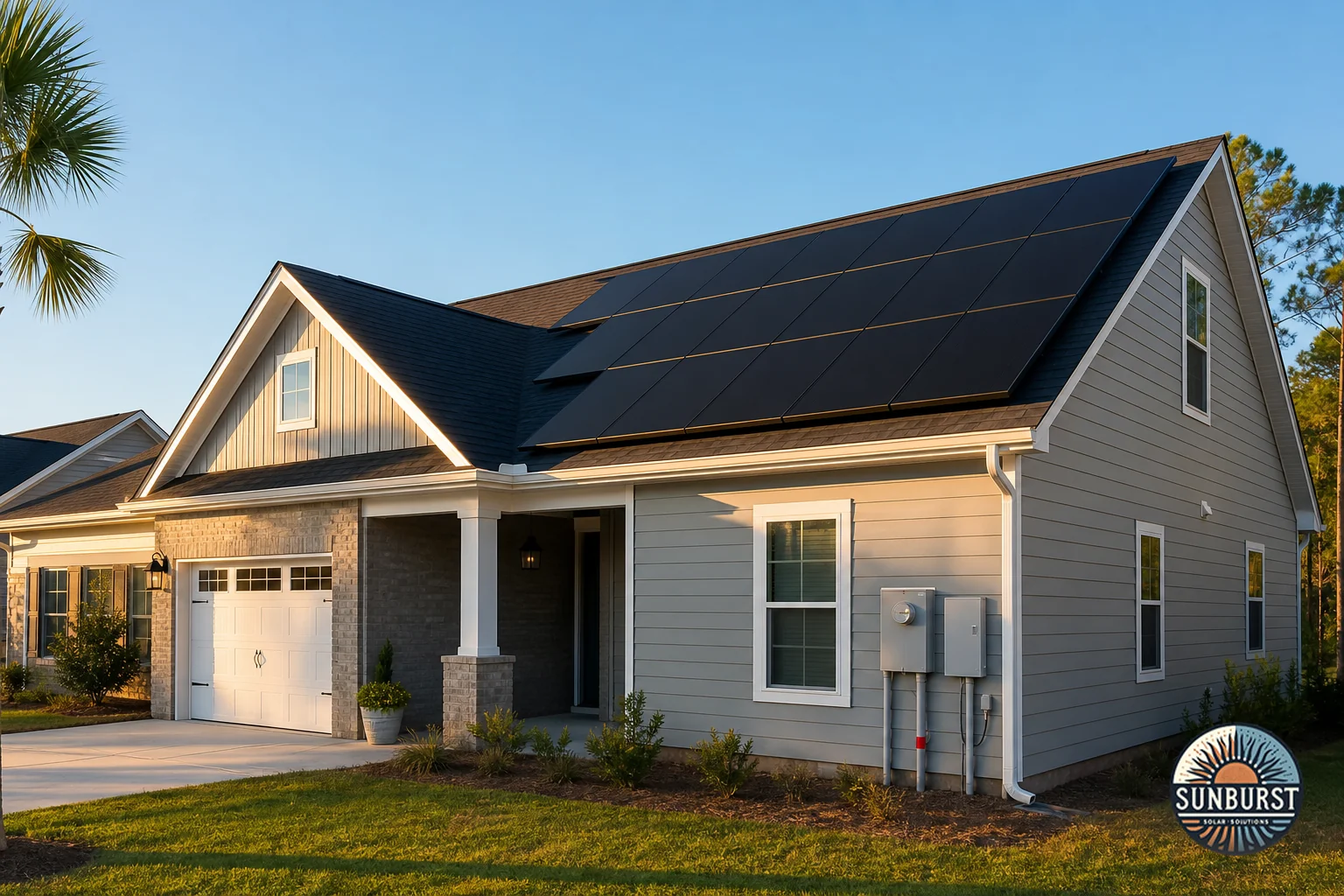
Santee Cooper is South Carolina’s state-owned electric utility, and it serves customers both directly and through the network of electric cooperatives it supplies power to across the state. If you live in parts of the Columbia area, the Lowcountry, or the Grand Strand region, your solar system may interconnect through Santee Cooper directly, or through a member cooperative that follows Santee Cooper’s technical standards. Either way, the santee cooper solar interconnection process exists to protect the grid, not to slow you down. Line workers need to know a rooftop system won’t feed power back into a de-energized line during an outage, and the utility needs to confirm your equipment meets IEEE 1547 safety standards before granting approval.
This is different from the permitting process handled by your county or city building department, which focuses on structural load, fire code, and electrical code compliance. Homeowners sometimes assume a building permit is the finish line. It isn’t. Your system still needs the utility’s sign-off before it can legally export power to the grid.
1. Submit the Interconnection Application
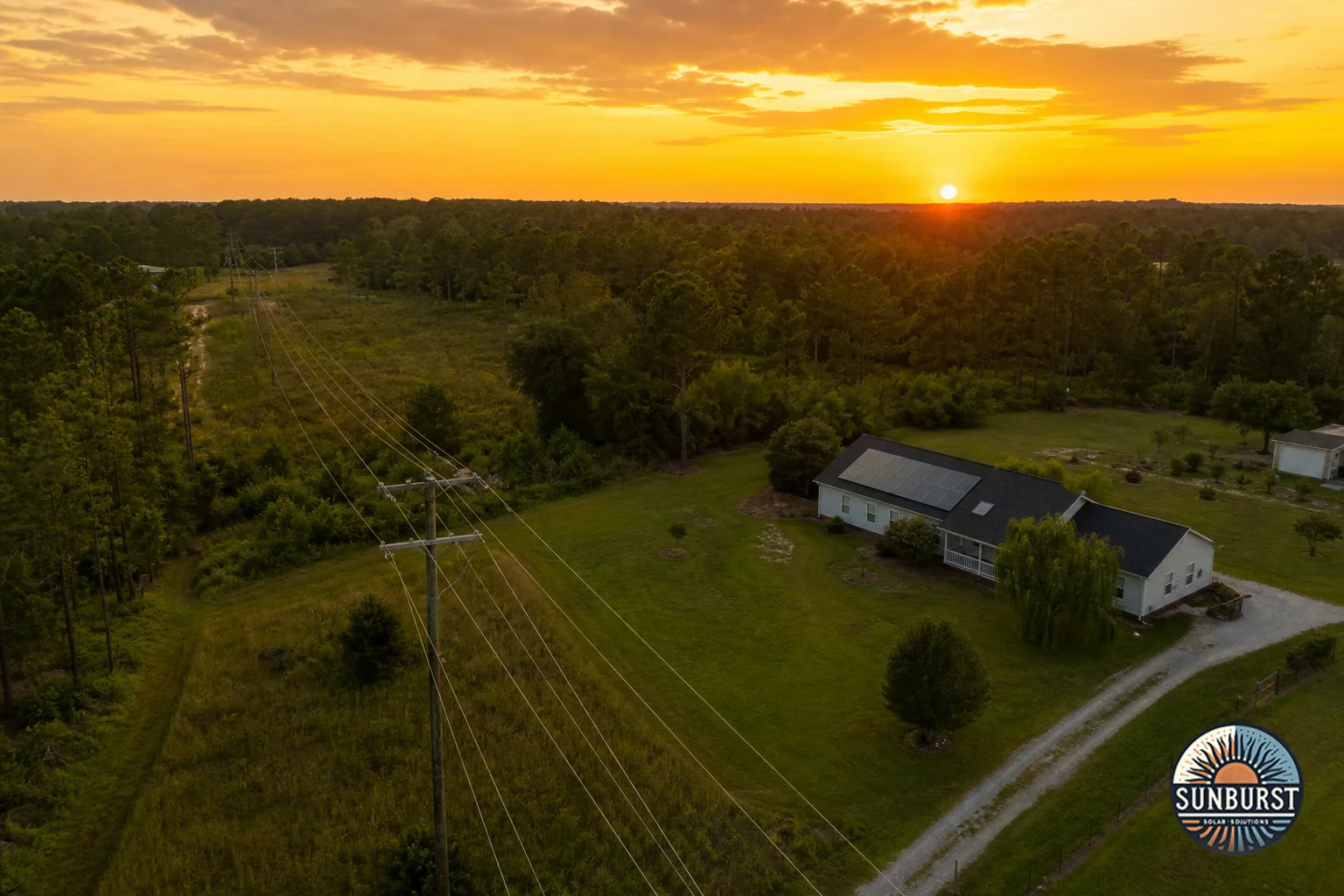
Once your installer finalizes your system design, they submit an interconnection application to Santee Cooper. This packet typically includes your proposed system size in kilowatts, the make and model of your inverter, a one-line electrical diagram showing how the system ties into your main panel, and a signed net metering agreement. Santee Cooper uses this information to confirm the equipment carries the right certifications and that your local transformer can handle the added capacity.
For most residential systems under 20 kW, this step is straightforward. Larger systems, like those installed for small businesses, sometimes trigger an additional grid impact review. If you’re weighing options for a business property, our guide on commercial solar installation in Charleston, SC covers how that process differs from a standard home install.
2. Utility Technical Review and Engineering Sign-Off
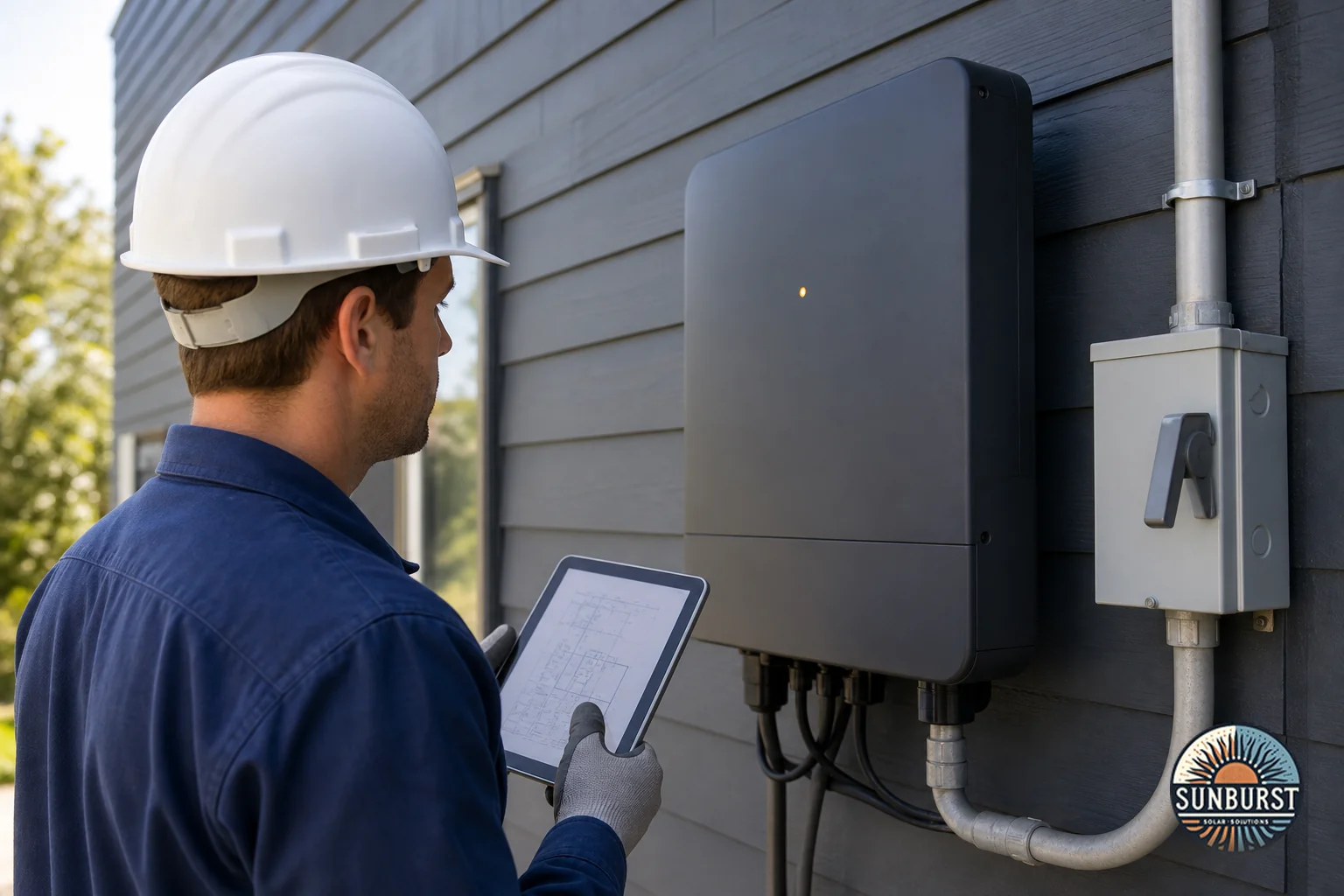
Santee Cooper’s engineering team checks your application against their interconnection standards. They confirm the inverter has an approved anti-islanding function (so it shuts off automatically during a grid outage), that you have a properly labeled external disconnect switch, and that your system size is appropriately matched to your electrical service. This review generally takes 10 to 20 business days for a typical home system, though it can stretch longer if your application is missing information or if your neighborhood’s local grid infrastructure needs a closer look.
This is also the stage where battery storage gets flagged for extra documentation, since batteries change how power flows during an outage. If you’re considering adding storage, our post on solar battery vs generator options for Hilton Head and our guide on how to size a home battery system are worth reading before you finalize your equipment list.
3. Local Permitting Runs in Parallel
While Santee Cooper reviews the interconnection application, your installer should also be pulling permits from your local building department. In Columbia, this means Richland or Lexington County (or the City of Columbia, depending on your address). Coastal counties served by Santee Cooper, including parts of Berkeley, Horry, and Georgetown, each have their own inspection scheduling quirks and turnaround times.
These two tracks, permitting and interconnection, don’t have to happen one after the other. A well-organized installer files both around the same time so neither one becomes the bottleneck. For a closer look at how long the local side typically takes, see our breakdown of how long solar permitting approval takes in South Carolina.
4. Final Inspection and Permission to Operate (PTO)
Once installation is complete, a local building inspector visits the property to confirm the work matches the approved permit. After that inspection passes, Santee Cooper schedules the meter swap, replacing your standard meter with a bi-directional one that tracks energy sent to and pulled from the grid. Only after this step, when you receive your official Permission to Operate letter, is it legal to activate your system.
Turning your system on before PTO is issued isn’t just a technicality. It can violate the terms of your interconnection agreement and, in rare cases, create a safety hazard for line workers. A trustworthy installer will never encourage you to skip this step, even if the panels are physically ready to produce power.
How an Installer Who Handles Interconnection Directly Reduces Delays
Here’s where most delays actually happen: not with Santee Cooper’s engineers, but with incomplete paperwork sent their way. A missing signature on the net metering agreement, a one-line diagram that doesn’t match the installed equipment, or an application filed before the permit is approved can all send your project back to the end of the review queue.
When an installer manages permitting and utility interconnection under one roof, rather than outsourcing pieces to subcontractors, there’s a single point of accountability for getting the paperwork right the first time. Sunburst Solar Solutions handles the full interconnection packet directly with Santee Cooper and the relevant local building department, so homeowners aren’t the ones chasing down forms or explaining discrepancies between agencies. This coordination is part of why we also encourage buyers to ask pointed questions before signing anything. Our post on what to ask before signing a solar contract lays out the specific language to look for around permitting and interconnection responsibility.

If your project also involves a roof replacement or battery storage alongside your panels, coordination gets more complex, not less. Our guide on whether you need multiple contractors for solar, roofing, and battery explains why keeping these pieces under one installer often prevents scheduling conflicts that ripple into your interconnection timeline.
Common Questions Columbia and SC Homeowners Ask
Homeowners searching for “solar system installers near me” in the Columbia area are usually trying to answer a simpler question underneath: will this company actually manage the utility side, or will I be stuck as the go-between? It’s worth asking any installer you’re considering directly whether they submit the interconnection application themselves, track its status, and communicate delays proactively. If you’re comparing HOA rules on top of interconnection steps, our post on HOA solar approval in Columbia, SC walks through how those two approval paths intersect.
Another common question is whether an oversized system causes problems. Santee Cooper’s net metering rules generally cap system size relative to your historical usage. An installer who designs your system based on your actual consumption, not just your roof space, avoids this issue from the start.
Frequently Asked Questions
How long does the Santee Cooper solar interconnection process take from start to finish?
Most residential projects take four to ten weeks total, combining local permitting, utility technical review, installation, final inspection, and the meter swap. Complex sites or larger commercial systems can take longer.
Do I need a new electric meter for solar?
Yes. Santee Cooper installs a bi-directional meter that records both the electricity you use and the electricity your system sends back to the grid under your net metering agreement.
Can I add battery storage after my system is already interconnected?
In many cases yes, though adding storage later usually requires a new or amended interconnection application since batteries change how your system behaves during an outage. Planning for storage during the original application can simplify this later.
Is there a fee for the interconnection application?
Fee structures vary by system size and whether you’re served directly by Santee Cooper or through a member cooperative. Ask your installer to confirm current fees for your specific service territory before signing your contract.
What happens if my paperwork gets rejected?
Santee Cooper will typically request corrections rather than deny the application outright. The project simply pauses until the corrected paperwork is resubmitted, which is why accuracy on the first submission matters so much for keeping your timeline on track.
Interconnection is the step that turns a fully installed system into a fully functioning one. Getting the paperwork right the first time is often the difference between a six-week timeline and a ten-week one.
If you’re planning a solar installation anywhere in Santee Cooper’s South Carolina service area, from Columbia to the coast, the smoothest path is working with an installer who owns the entire interconnection process instead of handing you off between contractors and utility contacts. Sunburst Solar Solutions manages permitting, engineering documentation, and utility coordination directly, so you get clear timelines instead of guesswork. Get a free assessment to see what your specific interconnection timeline and system design would look like before you commit to anything.