


Most South Carolina homeowners wait four to ten weeks between signing a solar contract and receiving Permission to Operate, though the number swings based on your county’s permit office, your utility, and whether your paperwork is complete the first time. How long does solar permitting approval take really depends on two separate approvals happening back to back: a local building permit and a utility interconnection agreement. Understanding both helps you set a realistic timeline instead of guessing.
Key Takeaways
- Combined timeline: Local permit review plus utility interconnection typically runs 4-10 weeks total, not counting installation itself.
- Two separate approvals: A county or city building/electrical permit and a utility interconnection agreement are reviewed by different offices, on different schedules.
- In-house permitting saves time: Installers who prepare and submit their own permit packages catch errors before submission, avoiding rejection cycles that add weeks.
- HOA review adds time: Homes in HOA communities can add two to four extra weeks if architectural review runs separately from the permit process.
- Most delays are avoidable: Incomplete applications, panel upgrade triggers, and utility backlog after storms cause the majority of extended timelines.
Solar Permitting at a Glance
| Stage | Typical Duration | Who Handles It |
|---|---|---|
| Site assessment & system design | 1-2 weeks | Your solar installer |
| Local building/electrical permit application | 1-3 weeks review | County or city permitting office |
| HOA architectural review (if applicable) | 2-4 weeks | Homeowners association |
| Installation & final inspection | 1-2 days install, 1-2 weeks for inspection scheduling | Installer & local inspector |
| Utility interconnection application | 2-6 weeks | Santee Cooper, Dominion, or municipal utility |
| Permission to Operate (PTO) | Issued once interconnection is approved | Utility company |
| Total realistic window | 4-10 weeks | Coordinated by your installer |
What Does “Solar Permitting” Actually Cover?
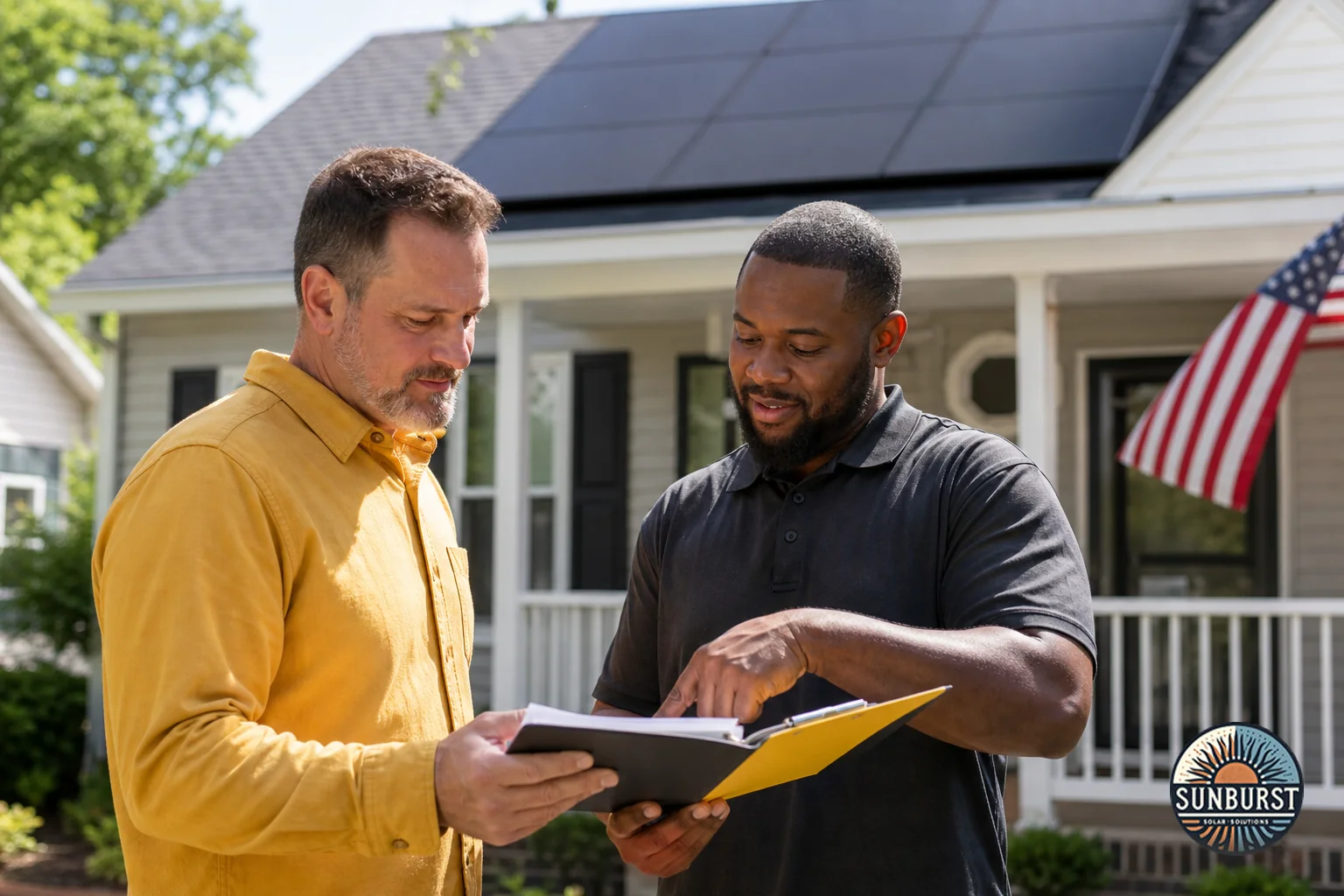
When people ask how long solar permitting approval takes, they’re usually lumping together two distinct processes. The first is a local building and electrical permit, issued by your county or municipality, confirming your system meets structural and electrical code. The second is a utility interconnection agreement, which is your power company’s separate review of how your system connects to, and interacts with, the grid.
Both matter. Skipping either one isn’t an option if you want your system inspected, connected, and legally operating. A county permit tells you the installation itself is safe. Interconnection approval, followed by Permission to Operate, is what actually lets your utility meter register solar production and allows you to flip the system on.
In South Carolina, the interconnection side runs through providers like Santee Cooper or Dominion Energy, and each has its own review queue, application format, and required equipment specs. If you’re curious how that specific process works, our breakdown of the Santee Cooper solar interconnection process covers the utility side step by step.
How Long Does Solar Permitting Approval Take in South Carolina?
For a typical residential system, county permit review runs one to three weeks depending on the jurisdiction. Charleston County, Beaufort County, and Horry County each staff their permitting offices differently, and smaller counties with fewer reviewers sometimes take longer simply due to volume.
Utility interconnection tends to be the longer leg of the trip. Santee Cooper and Dominion Energy both review applications for system size, equipment safety certifications, and grid capacity in your area, a process that generally takes two to six weeks. Larger systems or those near substation capacity limits can take longer, since the utility may need to run additional grid impact studies.
Put together, four to ten weeks is a fair planning window for most South Carolina homes. Coastal communities managing hurricane-season equipment demand, or homeowners adding battery storage alongside panels, sometimes see timelines stretch toward the higher end because battery systems require additional equipment documentation.
Step-by-Step: The Permitting and Interconnection Timeline
Here’s what actually happens between your signed contract and the day your system powers on:
- Site assessment and system design. Your installer measures your roof, checks your electrical panel capacity, and finalizes a system layout matched to your energy usage.
- Permit application submission. The installer submits structural and electrical plans to your local building department, including engineering stamps where required.
- Local jurisdiction plan review. A county or city reviewer checks the plans against building code. This is where incomplete submissions get bounced back, restarting the clock.
- Permit issued, installation begins. Once approved, your crew mounts racking, panels, and inverters, usually completing physical installation in one to two days.
- Final inspection. A local inspector visits to confirm the installed system matches the approved plans and meets code.
- Interconnection application to the utility. Your installer submits the interconnection agreement, including inspection sign-off, to Santee Cooper, Dominion, or your local provider.
- Permission to Operate (PTO). Once the utility approves the interconnection, they issue PTO, and your system is cleared to start producing and offsetting your bill.
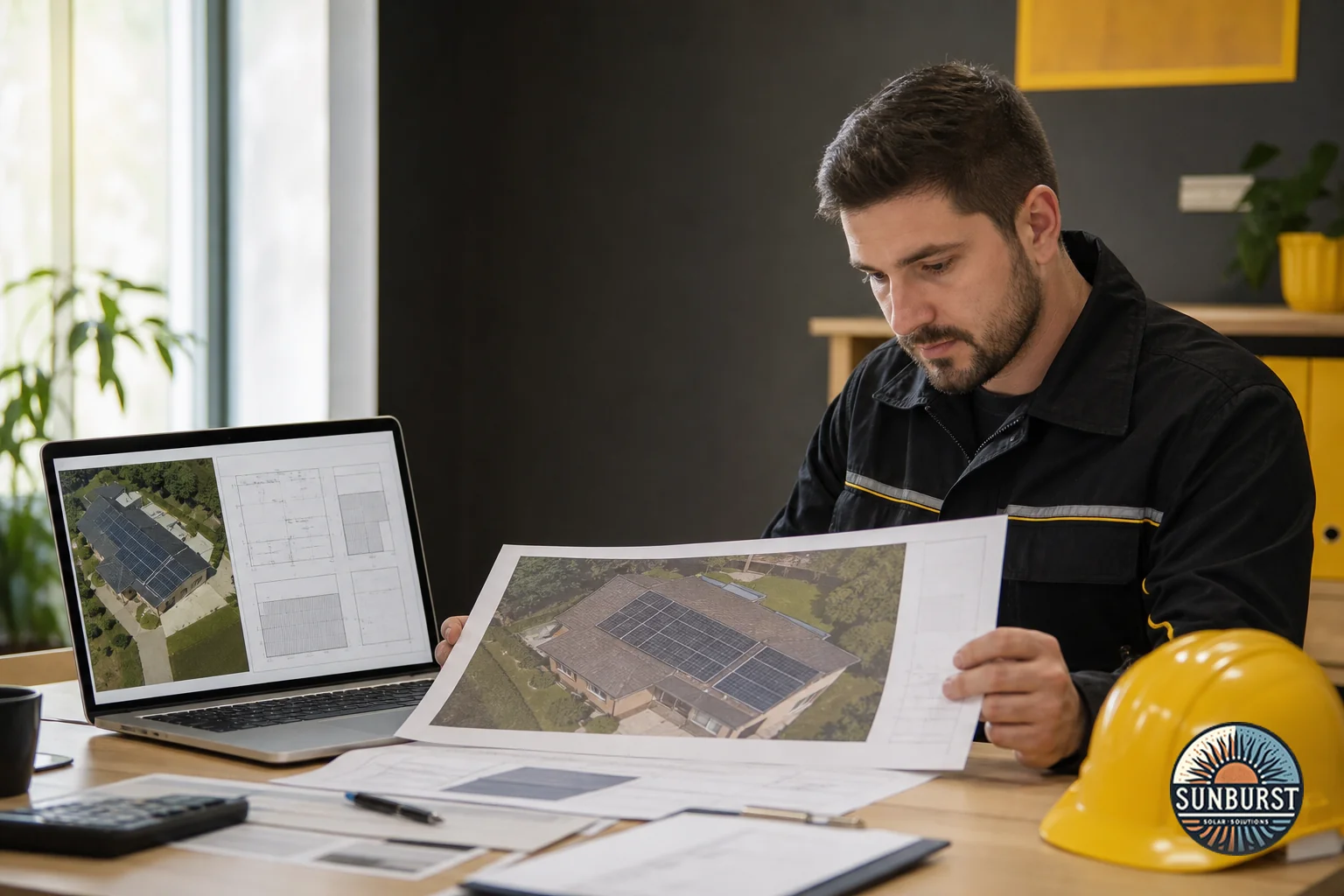
Every step depends on the one before it. A permit rejection at step three pushes back installation, inspection, and interconnection submission in sequence. That’s why the biggest lever homeowners have isn’t rushing any single stage, it’s making sure the application is right the first time.
What Causes Solar Permitting Delays?
A handful of recurring issues stretch what should be a straightforward timeline:
- Incomplete or inaccurate applications. Missing engineering stamps, wrong equipment specs, or mismatched load calculations send permits back for revision, often adding one to two weeks per round.
- HOA architectural review running separately. If your community requires HOA sign-off before the county will process a permit, that review can add two to four weeks on its own. Our guide on solar tax credits and incentives also touches on how timing your installation affects credit eligibility for the tax year.
- Utility backlog after storms. Coastal utilities see application surges after hurricane season prep and grid repairs, which can slow interconnection review by a few extra weeks.
- Limited permitting office staffing. Smaller counties sometimes have one or two reviewers handling all trades, not just solar, so turnaround varies with their overall workload.
- Electrical panel upgrades. If your home needs a panel upgrade to support the new system, that triggers a separate inspection cycle, adding time before the solar-specific permit can even be finalized.
None of these are unusual. What separates a smooth four-week approval from a frustrating three-month wait is usually how prepared the initial submission was, not bad luck.
Why Working With a Local Installer Who Handles Permitting In-House Matters
National solar companies often subcontract permitting and interconnection paperwork to third-party processors who juggle applications across multiple states. That extra handoff means more chances for miscommunication, slower resubmissions if a county kicks back a plan, and less accountability if something stalls.
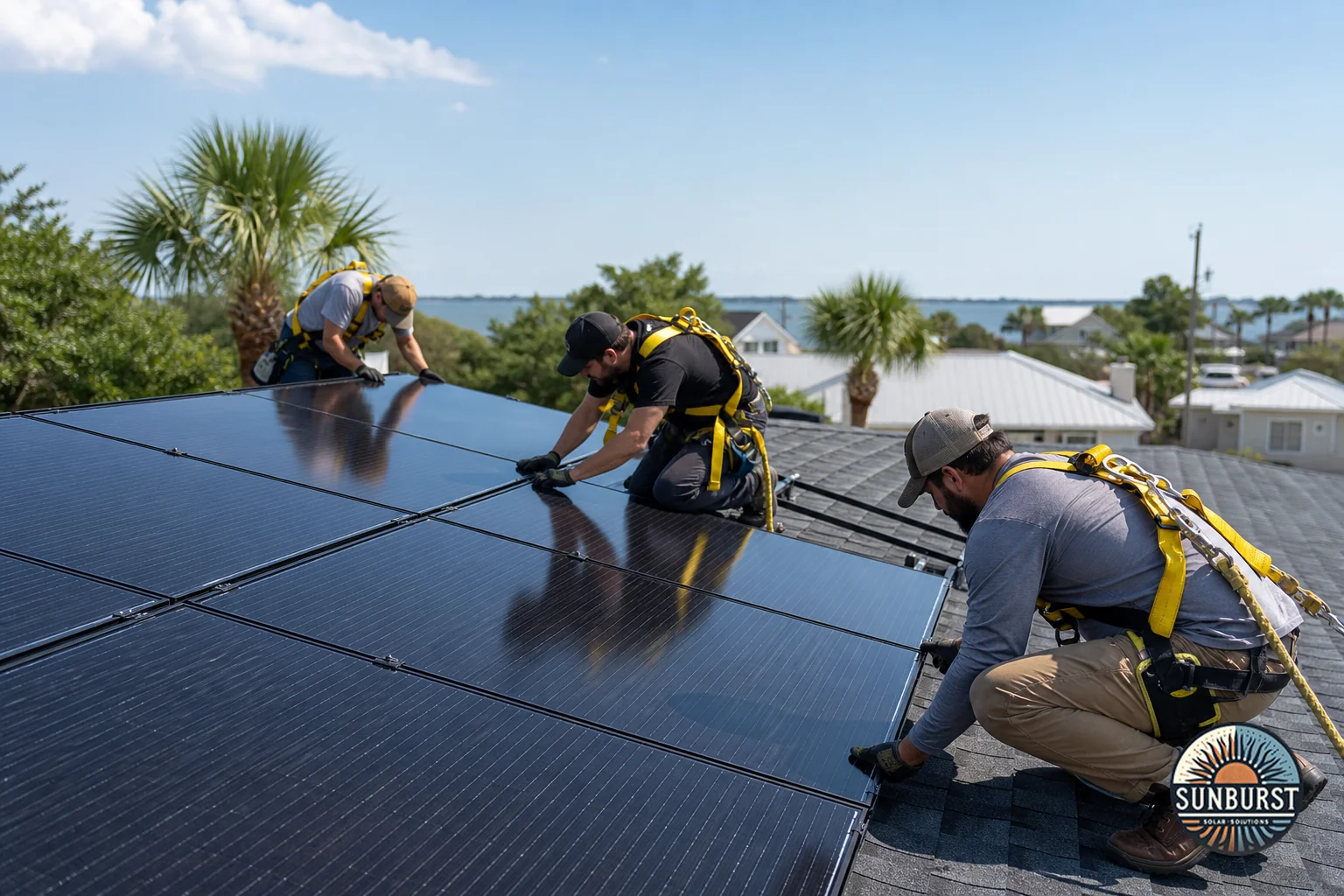
An installer who manages permitting in-house, with staff who know Charleston County’s requirements or have submitted dozens of applications to Santee Cooper, tends to catch errors before submission rather than after rejection. They also know which jurisdictions want extra documentation upfront, which shaves real time off the process.
This is part of why choosing the right installer matters as much as choosing the right equipment. If you’re comparing companies, our post on how to choose a solar installer and red flags to avoid walks through warning signs, and our piece on what to ask before signing a solar contract lists specific permitting-related questions worth asking before you commit. If your project also involves a roof replacement or battery addition, Solar, Roofing & Battery: Do You Need Multiple Contractors? explains how coordinating those trades under one company avoids scheduling conflicts that also slow permitting.
According to the U.S. Department of Energy’s SolarAPP+ initiative, standardized instant permitting tools have cut review times in participating jurisdictions from weeks to as little as a single day for qualifying residential systems, though adoption still varies by county in South Carolina. Working with an installer who tracks which local offices support these streamlined tools can meaningfully shorten your wait.
Frequently Asked Questions
Can I speed up solar permitting?
You can’t control a utility’s internal review speed, but you can control application quality. Choosing an installer who submits complete, accurate paperwork the first time avoids the resubmission cycles that add the most delay.
Do I need a permit for a small solar system?
Yes. South Carolina jurisdictions require a building and electrical permit regardless of system size, since any grid-tied installation involves electrical work that must meet code.
What happens if my permit is denied?
A denial usually means missing documentation or a code compliance issue, not a rejection of solar itself. Your installer revises the plans and resubmits, typically adding one to two weeks depending on the jurisdiction’s queue.
How long does HOA approval take separately from the county permit?
HOA architectural review boards often meet monthly, so approval can take two to four weeks depending on your community’s meeting schedule and documentation requirements.
Can I turn my system on before Permission to Operate?
No. Operating a grid-tied system before your utility issues Permission to Operate violates your interconnection agreement and can create safety risks for utility workers servicing the grid. Wait for formal PTO before switching your system on.
Setting realistic expectations upfront makes the entire solar process less stressful, and choosing an installer who manages permitting and interconnection in-house is one of the clearest ways to avoid unnecessary back-and-forth. If you’re ready to see what your specific timeline could look like, get a free assessment from Sunburst Solar Solutions and get a clear, honest read on your property’s permitting path before you commit to anything.