
New 2026 homeowner solar or battery installations do not qualify for the expired federal Residential Clean Energy Credit. Battery capability and outage resilience are engineering decisions, not proof of tax eligibility. Confirm any South Carolina benefit for the exact equipment, ownership and project; do not presume a battery or standby generator receives a homeowner federal solar credit. See current IRS Section 25D guidance.
Key Takeaways
New 2026 homeowner solar or battery installations do not qualify for the expired federal Residential Clean Energy Credit. Battery capability and outage resilience are engineering decisions, not proof of tax eligibility. Confirm any South Carolina benefit for the exact equipment, ownership and project; do not presume a battery or standby generator receives a homeowner federal solar credit. See current IRS Section 25D guidance.
At a Glance: 2026 Solar Incentives in South Carolina
| Incentive | Who Qualifies | Typical Value | How It’s Claimed |
|---|---|---|---|
| Federal tax treatment | No new homeowner Section 25D credit for 2026 installations | No new homeowner Section 25D credit for 2026 installations | No new homeowner Section 25D credit for 2026 installations |
| South Carolina State Solar Credit | SC homeowners who purchase a system installed by a licensed contractor | Up to 25% of system cost, annual cap applies | SC Schedule TC-38 with state return |
| Net Metering / Buyback Programs | Grid-tied customers of participating SC utilities | Bill credit for excess solar production | Automatic through utility interconnection agreement |
| Property Tax Exemption for Solar | SC homeowners with qualifying renewable energy systems | Added home value from solar excluded from property tax assessment | Filed with county assessor’s office |
| Commercial solar tax treatment | Business/project eligibility must be confirmed | No automatic credit percentage | IRS Form 3468 and qualified tax review |
| Battery storage: homeowner federal credit | New 2026 installation | Not available under Section 25D | Review IRS guidance for earlier eligible projects |

What Is the Federal Solar Tax Credit in 2026?
New 2026 homeowner solar or battery installations do not qualify for the expired federal Residential Clean Energy Credit. A valid credit from an eligible earlier installation and an unused carryforward are different from a credit for a new purchase. Ask a tax professional which tax year and documents control the specific claim. See current IRS Section 25D guidance.
New 2026 homeowner solar or battery installations do not qualify for the expired federal Residential Clean Energy Credit. Savings and payback should use the full installed scope, utility imports and export compensation, financing obligations and realistic replacement costs. A generic payback estimate based on the former federal homeowner credit is not a current property-specific forecast. See current IRS Section 25D guidance.
It’s worth noting that federal energy tax policy has shifted before and can shift again. The safest approach is to confirm current-year rules with a tax professional or check the U.S. Department of Energy’s tax credit guidance before you finalize a purchase decision, since legislation can change eligibility windows or percentages with little notice.
South Carolina’s State Solar Tax Credit: How It Stacks
New 2026 homeowner solar or battery installations do not qualify for the expired federal Residential Clean Energy Credit. South Carolina incentives are a separate calculation with their own eligibility, annual limits and tax-liability requirements. Confirm the actual project with a qualified tax professional; do not assume combined federal/state credits cut a new purchase price in half. See current IRS Section 25D guidance.
New 2026 homeowner solar or battery installations do not qualify for the expired federal Residential Clean Energy Credit. Request a cash price and financing schedule that do not depend on a federal-credit prepayment. Any state benefit must be calculated for the owner’s actual eligibility and timing. See current IRS Section 25D guidance.
You can review the specifics of South Carolina’s program through the South Carolina Department of Revenue, which publishes the forms and instructions for claiming the state credit each filing year. Because state programs can be amended by the legislature, always confirm the current cap and carryforward rules before assuming a specific number applies to your project.
Do Batteries and Backup Power Systems Qualify?
New 2026 homeowner solar or battery installations do not qualify for the expired federal Residential Clean Energy Credit. Battery capability and outage resilience are engineering decisions, not proof of tax eligibility. Confirm any South Carolina benefit for the exact equipment, ownership and project; do not presume a battery or standby generator receives a homeowner federal solar credit. See current IRS Section 25D guidance.
New 2026 homeowner solar or battery installations do not qualify for the expired federal Residential Clean Energy Credit. Battery capability and outage resilience are engineering decisions, not proof of tax eligibility. Confirm any South Carolina benefit for the exact equipment, ownership and project; do not presume a battery or standby generator receives a homeowner federal solar credit. See current IRS Section 25D guidance.
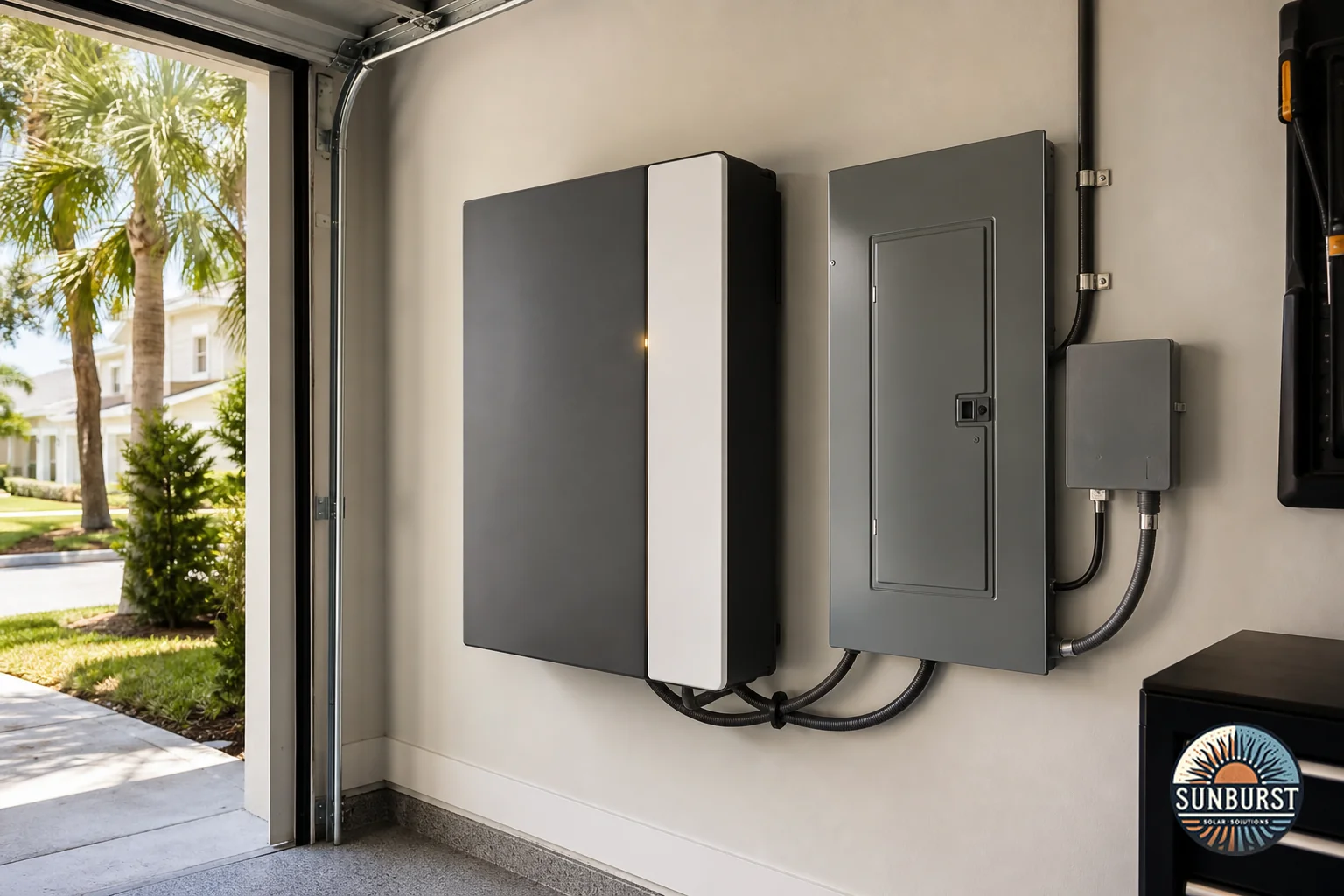
Size a battery for the actual backup loads, usable energy, power ratings and recharge plan. A new 2026 homeowner battery installation has no new federal Section 25D credit; do not increase capacity around an assumed 30% tax benefit. Confirm any state incentive independently with a qualified tax professional.
Who Actually Qualifies? Ownership, Financing, and Business Rules
Not every solar customer gets to claim these credits, and this is where a lot of confusion happens. Eligibility comes down largely to how you finance the system.
New 2026 homeowner solar or battery installations do not qualify for the expired federal Residential Clean Energy Credit. Savings and payback should use the full installed scope, utility imports and export compensation, financing obligations and realistic replacement costs. A generic payback estimate based on the former federal homeowner credit is not a current property-specific forecast. See current IRS Section 25D guidance.
This is a major factor when deciding how to finance a system in the first place. If maximizing personal tax benefit matters to you, ownership through cash or a loan is the only path that lets you claim the credit directly. Our comparison of solar lease vs. buying solar panels in Charleston walks through how that choice affects your long-term costs and eligibility.
Small business owners have a separate set of rules under the commercial Investment Tax Credit, filed with IRS Form 3468 rather than Form 5695. Commercial solar can also come with additional depreciation benefits under the Modified Accelerated Cost Recovery System, which residential customers don’t have access to. If you’re weighing solar for a business property in South Carolina, a tax advisor familiar with commercial energy incentives should review your specific situation, since the rules differ meaningfully from the residential credit.
One more detail worth flagging: the home generally needs to be your primary or secondary residence located in the United States, and you need to actually own the property or have a documented ownership interest in the system. Rental properties you don’t live in typically don’t qualify for the residential credit, though they may qualify under commercial rules if operated as a business.
How to Claim Your Solar Tax Credit
New 2026 homeowner solar or battery installations do not qualify for the expired federal Residential Clean Energy Credit. South Carolina incentives are a separate calculation with their own eligibility, annual limits and tax-liability requirements. Confirm the actual project with a qualified tax professional; do not assume combined federal/state credits cut a new purchase price in half. See current IRS Section 25D guidance.
New 2026 homeowner solar or battery installations do not qualify for the expired federal Residential Clean Energy Credit. Do not treat an ordinary roof replacement or structural roof work as a solar tax-credit expense. Older eligible projects and solar-generating equipment have distinct tax rules; verify them independently rather than financing roof work around an assumed federal refund. See current IRS Section 25D guidance.
Sunburst Solar Solutions isn’t a tax firm, and no reputable installer should tell you exactly what your personal tax outcome will be. What we can do is provide the itemized documentation you or your accountant need to file correctly, and flag which parts of your project (like a battery add-on) are typically treated differently than others.
Other Incentives Worth Asking About in South Carolina
Tax credits aren’t the only way South Carolina makes solar more affordable. A few other programs are worth understanding before you sign anything.
Net metering and buyback programs let you send excess solar production back to the grid in exchange for bill credits. The value of those credits varies by utility, and South Carolina’s investor-owned and cooperative utilities don’t all handle this the same way. If Santee Cooper or Dominion Energy serves your home, ask your installer directly how their current buyback rate applies to your bill, since this affects your long-term payback timeline independent of any tax credit.
Property tax exemptions in South Carolina generally prevent the added value of your solar system from increasing your property tax assessment. Solar panels can add resale value to your home, but without this exemption, that added value could also mean a higher tax bill. Most South Carolina counties honor this exemption, but it’s worth confirming with your county assessor’s office rather than assuming it applies automatically.
HOA rules are technically not a financial incentive, but they can affect your total project cost and timeline if your community requires design approval before installation. If you live in a managed community, our guide to HOA solar approval in Columbia, SC explains how that process typically works and what documentation your installer should prepare on your behalf.
Questions to Ask Your Installer Before Assuming a Rebate Applies
A trustworthy solar company will walk you through exactly which incentives apply to your specific project rather than quoting a generic number. Before you sign a contract, ask:
- “Is this a purchase, loan, or lease?” This single answer determines whether you personally claim any tax credit at all.
- “What is the itemized cost breakdown for my system?” You need this figure to calculate the credit accurately, not just a bottom-line price.
- “Does my battery qualify separately from my solar panels?” Some installers bundle pricing in ways that make this unclear.
- “Will you provide documentation I can hand directly to my accountant?” A reputable installer should say yes without hesitation.
- “Are you promising a specific tax outcome, or estimating one?” No installer can guarantee your personal tax situation, since that depends on your total income and liability.
- “How does the current state credit cap affect a system this size?” Since South Carolina’s credit has an annual cap, larger systems may take longer to fully realize the state-level benefit.
These questions matter because tax credit assumptions are one of the most common places where solar quotes go wrong. If a salesperson quotes your “true cost after incentives” without asking about your financing structure or tax liability, treat that as a signal to slow down. Our article on what to ask before signing a solar contract covers additional red flags worth watching for, and pairs well with the incentive questions above.
How Sunburst Solar Solutions Helps You Navigate Incentives
New 2026 homeowner solar or battery installations do not qualify for the expired federal Residential Clean Energy Credit. Owning equipment does not restore this federal homeowner credit. A lease or PPA has a different commercial tax position for its owner; do not assume those benefits are available to the household or fully passed through in its payments. See current IRS Section 25D guidance.
That transparency extends to every part of the process, from HOA approval support to what to expect during solar installation in Charleston, SC, so you’re never left guessing what a number on your quote actually represents.
Frequently Asked Questions
Is the federal solar tax credit still available in 2026?
New 2026 homeowner solar or battery installations do not qualify for the expired federal Residential Clean Energy Credit. Battery capability and outage resilience are engineering decisions, not proof of tax eligibility. Confirm any South Carolina benefit for the exact equipment, ownership and project; do not presume a battery or standby generator receives a homeowner federal solar credit. See current IRS Section 25D guidance.
Can I claim the tax credit if I lease my solar panels?
Generally, no. If you lease your system or sign a power purchase agreement, the company that owns the equipment typically claims the credit, not you. Your benefit instead shows up as a lower monthly lease or PPA rate. If claiming the credit personally matters to you, purchasing through cash or a solar loan is the path that keeps that eligibility with you.
Does the tax credit cover roof replacement?
Typically, no, unless the roofing work is a necessary and integral part of the solar installation itself, which is a narrow exception the IRS evaluates case by case. If your roof needs work before installation, it’s worth reading whether your roof needs replacing before solar panels so you can budget that cost separately from your solar tax credit calculations.
What happens if I owe less in taxes than my credit amount?
Unused federal credit amounts generally carry forward to future tax years, so you don’t lose the value just because your liability was lower than the credit in a single year. South Carolina’s state credit works similarly, with its own carryforward provisions. A tax professional can help you map out exactly how many years it may take to fully use a large credit.
What does “sunburst solar solutions” mean if I’ve seen it searched online?
Sunburst Solar Solutions is a regional solar installer serving South Carolina homeowners and small businesses, offering custom system design, installation, battery storage, HOA approval assistance, and financing guidance, including help understanding which tax credits and incentives apply to a specific project.
Solar tax credits and incentives in 2026 can meaningfully change what a solar, battery, or backup power project actually costs you, but only when the paperwork, ownership structure, and equipment details line up correctly. The best way to know exactly where you stand is to start with a real assessment of your home and your goals. Check your solar potential to see what a system could look like for your property, or go ahead and book an appointment with our team to review your financing options and incentive eligibility in detail. If you’d rather stay in the loop before committing to anything, you can also join us to get updates as South Carolina’s solar incentive landscape evolves.