
New 2026 homeowner solar or battery installations do not qualify for the expired federal Residential Clean Energy Credit. Do not treat an ordinary roof replacement or structural roof work as a solar tax-credit expense. Older eligible projects and solar-generating equipment have distinct tax rules; verify them independently rather than financing roof work around an assumed federal refund. See current IRS Section 25D guidance.
Key Takeaways
New 2026 homeowner solar or battery installations do not qualify for the expired federal Residential Clean Energy Credit. Do not treat an ordinary roof replacement or structural roof work as a solar tax-credit expense. Older eligible projects and solar-generating equipment have distinct tax rules; verify them independently rather than financing roof work around an assumed federal refund. See current IRS Section 25D guidance.
Solar Installation Cost At a Glance
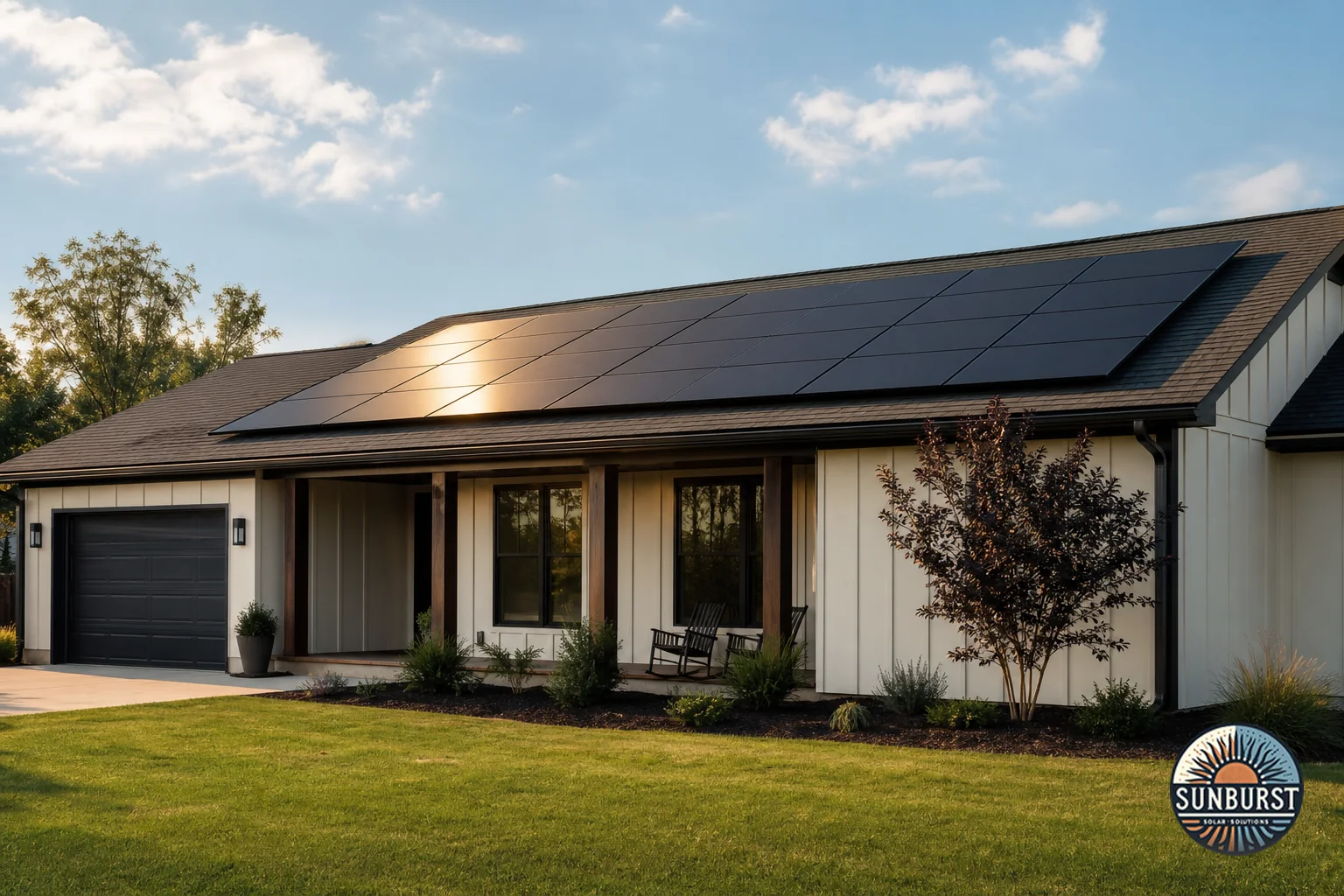
| System Size | Avg. Cost Before Credits | Est. Net Cost After Federal + SC Credits | Typical SC Home Fit |
|---|---|---|---|
| 4 kW | $11,000-$14,000 | ~$4,800-$6,200 | Small home, low usage |
| 6 kW | $16,000-$19,000 | ~$7,000-$8,400 | Average 3-bed home |
| 8 kW | $20,000-$24,000 | ~$8,800-$10,600 | Larger home or pool |
| 10 kW | $24,000-$28,000 | ~$10,600-$12,400 | High usage, EV charging |
| Battery add-on | +$9,000-$20,000 | varies by capacity | Outage backup, storm resilience |
| Permitting/interconnection | $500-$2,000 | included in system cost | Varies by county/utility |
Charleston, Columbia, Myrtle Beach, and Hilton Head homeowners all see slightly different numbers depending on local permitting offices and which utility, Dominion Energy or Santee Cooper, serves their address. The core cost drivers, though, stay consistent across South Carolina.
1. System Size: The Biggest Cost Factor
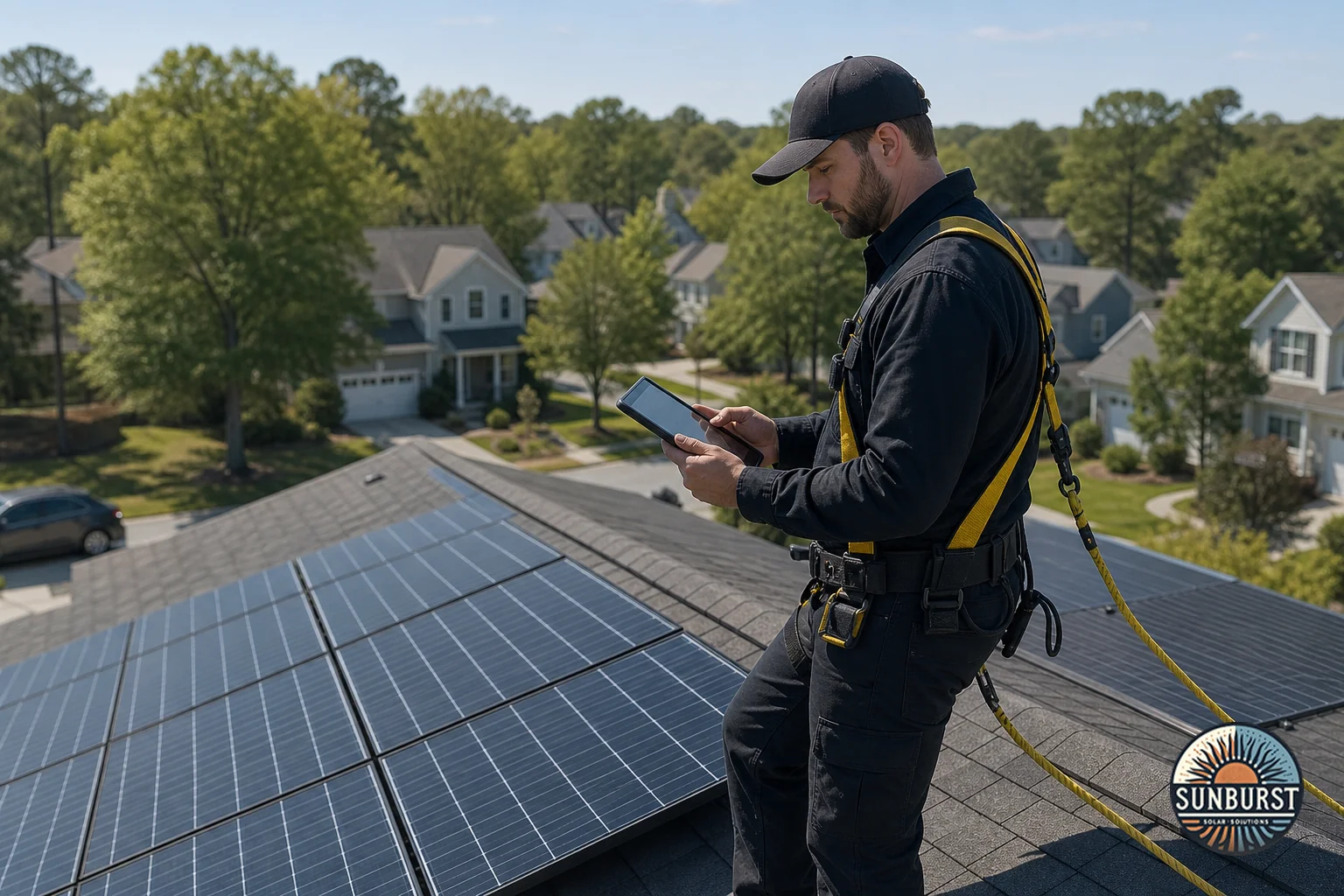
System size drives more of your final number than any other factor. Installers size a system to your average monthly kilowatt-hour usage, pulled straight from twelve months of utility bills. A South Carolina home using 1,100 kWh per month typically needs a 7-8 kW system to offset most of that usage.
Cost per watt for residential systems generally falls between $2.50 and $3.50, though it can dip lower for larger systems since fixed costs like permitting and labor mobilization spread across more panels. A 10 kW system won’t cost twice as much as a 5 kW system; it’s closer to 1.6-1.8 times as much once you account for those fixed costs.
Before you get a number, you’ll want honest usage math instead of guesswork. That’s part of why a proper site assessment matters more than a phone quote. You can start that process by checking your home’s solar potential based on your roof orientation, shading, and actual usage history.
2. Roof Condition and Type
Your roof’s age and material change the price tag in two ways: labor complexity and whether it needs work before panels go on at all. Standing-seam metal roofs install faster and cheaper than complex hip-and-valley asphalt shingle roofs. Tile roofs add cost because installers need specialized flashing and extra care to avoid cracking.
The bigger question is age. Most installers, including Sunburst Solar Solutions, recommend against installing on a roof with fewer than 10-15 years of remaining life. Pulling panels off in five years to replace shingles underneath costs far more than handling it upfront. If your roof is borderline, read Does Your Roof Need Replacing Before Solar Panels? before you sign anything, and check whether your solar and roofing work needs to run through one contractor or several.
3. Equipment Quality: Panels, Inverters, Racking
Not all solar equipment is priced, or built, the same. Panel efficiency, warranty length, and manufacturing origin all factor into the quote you receive.
- Panels: Tier 1 panels, like the black-on-black North American-made panels Sunburst installs, typically cost more per watt than budget imported panels but come with stronger 20-25 year performance warranties and higher real-world output.
- Inverters: Microinverters (one per panel) cost more than a single string inverter but keep producing even if one panel gets shaded, which matters under the oak canopies common in Charleston and Columbia neighborhoods.
- Racking and mounting: Corrosion-resistant racking costs a bit more but matters in South Carolina’s humid, salt-air coastal climate, especially near Hilton Head and Myrtle Beach.
Cheaper equipment lowers your quote today but can cost more over 20 years through lower output and shorter warranty coverage. Before comparing prices, learn how to compare solar warranty coverage so you’re weighing equal terms, not just the bottom-line number.
4. Permitting, Interconnection, and Inspection Fees
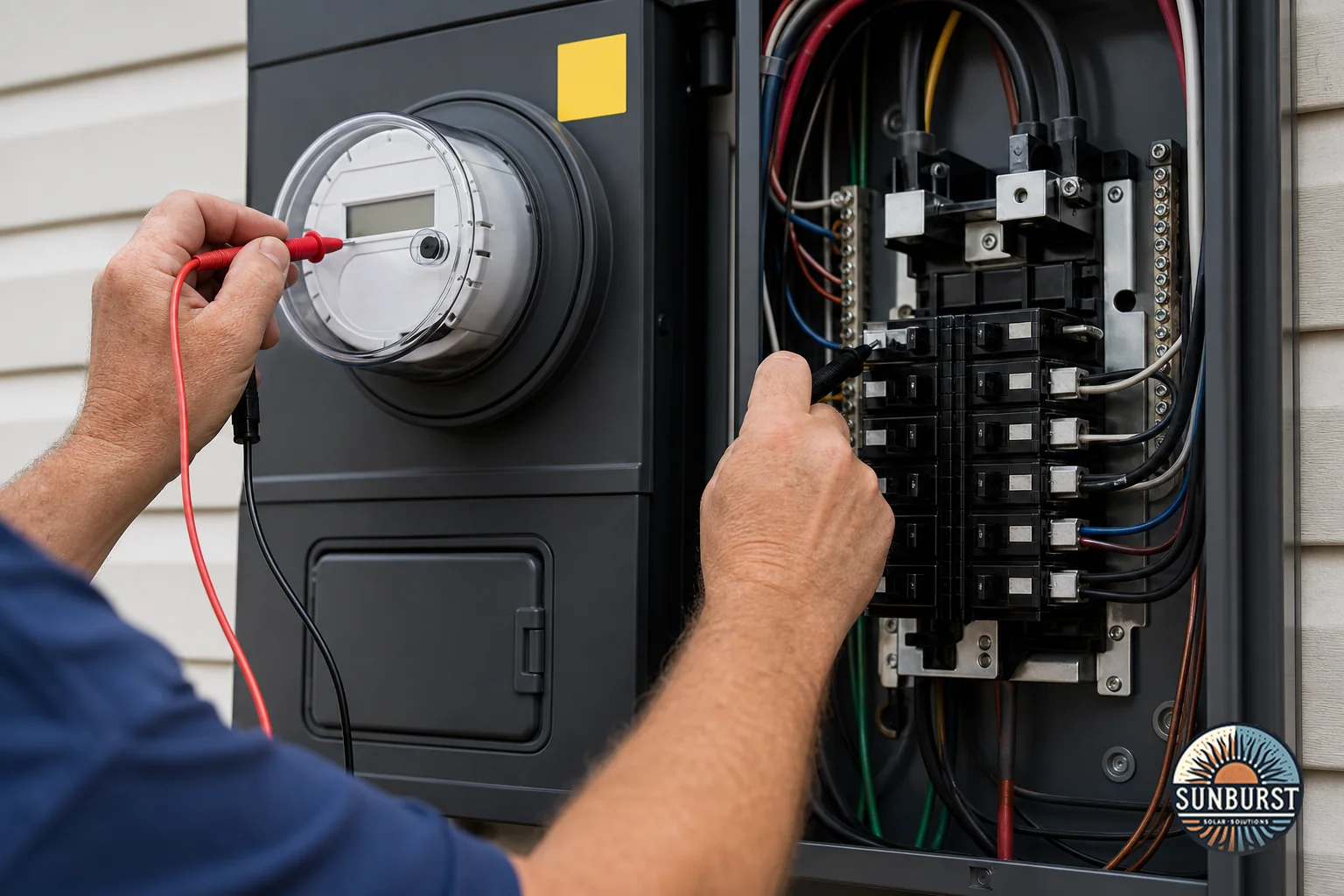
Every solar installation in South Carolina needs a building permit from the county, an electrical permit, and formal interconnection approval from your utility, whether that’s Dominion Energy or Santee Cooper. These fees typically add $500 to $2,000 to your total project cost, and they vary by county and utility jurisdiction.
Permitting timelines also affect your project schedule, though not always your final price. Some counties turn permits around in two weeks; others take six. If your quote seems to assume an unrealistically fast timeline, that’s worth questioning. For a realistic sense of what to expect, see how long solar permitting approval takes in South Carolina before you set your budget timeline.
5. Battery Storage and Backup Add-Ons
Battery storage isn’t required for a working solar system, but many South Carolina homeowners add it for outage protection during hurricane season. A single home battery typically adds $9,000-$20,000 depending on capacity, roughly doubling your total project cost for a mid-size install.
Batteries also change what happens during a grid outage. Without one, most grid-tied solar systems shut off automatically for safety, even on a sunny day, so your panels alone won’t keep the lights on. If backup power during storms is a priority, compare battery costs against a standalone generator in our guide on backup generator installation in Hilton Head Island, or size a battery correctly the first time so you’re not overpaying for capacity you’ll never use.
6. Labor, Installer Overhead, and Local Market Factors
Labor and company overhead make up a real chunk of your quote, and this is where local versus national installers diverge. National companies often carry higher marketing and call-center overhead baked into their pricing, while regional installers may offer more flexibility on scheduling and design changes since decisions get made locally, not through a corporate office in another state.
HOA documentation is another line item worth asking about upfront. If your community has an architectural review board, getting your installer’s help preparing that paperwork can save weeks of back-and-forth, though not every installer includes it in the base price. See how that process typically works before you budget your timeline.
Every installer’s overhead structure is different, which is exactly why cost per watt can vary $0.50 or more between two legitimate quotes for the same roof. If you’re weighing a boutique regional installer against a national brand, our comparison of local vs national solar installers in Charleston breaks down where that overhead actually shows up in your final price.
How Tax Credits Lower Your Real Cost

New 2026 homeowner solar or battery installations do not qualify for the expired federal Residential Clean Energy Credit. Owning equipment does not restore this federal homeowner credit. A lease or PPA has a different commercial tax position for its owner; do not assume those benefits are available to the household or fully passed through in its payments. See current IRS Section 25D guidance.
Together, these two credits can cut a $20,000 system down closer to $9,000-$10,000 in real, after-credit cost, assuming you owe enough in taxes to use the full credit that year (unused amounts typically carry forward). Because eligibility rules and required IRS forms change year to year, check the details in Solar Tax Credits & Incentives in 2026: What Qualifies? before you assume your full credit will apply immediately.
These credits apply whether you pay cash or finance your system, but they generally do not apply the same way to solar leases or power purchase agreements, since the leasing company, not you, owns the equipment. If you’re weighing that decision, it deserves its own careful comparison beyond just monthly payment size.
How to Compare Solar Quotes Like a Pro
Two quotes for the same roof can look wildly different, and price alone doesn’t tell you which one is the better deal. Work through these steps before signing anything.
- Compare cost per watt, not just total price. Divide the quoted price by system wattage so you’re comparing apples to apples across different system sizes.
- Check what’s included. Permitting fees, HOA documentation, monitoring app access, and roof penetration warranties sometimes get bundled, sometimes billed separately.
- Ask about equipment tier by name. “Premium panels” means nothing without a brand and warranty length attached.
- Confirm who handles interconnection paperwork. Some installers manage it fully; others leave it to you.
- Review workmanship warranty length. A 10-year workmanship warranty backed by third-party insurance protects you differently than a 2-year in-house guarantee.
For a full list of what to ask before you’re sitting across from a salesperson, review what to ask before signing a solar contract and seven red flags to avoid when choosing a solar installer. According to the U.S. Department of Energy’s Homeowner’s Guide to Going Solar, getting at least three quotes remains the single best way to spot outliers, whether unusually high or suspiciously low.
Frequently Asked Questions
Is Sunburst Solar Solutions a reputable installer?
Sunburst Solar Solutions is a regional South Carolina installer that handles the full process in-house, from site assessment and custom system design through HOA documentation, installation, and ongoing monitoring. The company backs installs with a 10-year workmanship warranty and third-party insurance protection, and works with Tier 1 black-on-black panels made in North America.
How long until solar pays for itself?
Most South Carolina homeowners see payback in 7-12 years after applying federal and state tax credits, depending on system size, local utility rates, and how much of their usage the system offsets. Systems typically carry 20-25 year equipment warranties, so most owners see well over a decade of savings after payback.
Does financing change my total installation cost?
Financing adds interest over the loan term but doesn’t change the underlying system cost or your eligibility for tax credits, since you still own the equipment. Leases and PPAs work differently: the third party owns the system and typically claims the tax credit itself, which is why comparing ownership structures matters as much as comparing sticker price.
How many contractors do I need for a full solar project?
A straightforward install usually needs just one contractor if that company handles design, permitting, and installation in-house. You may need a second contractor only if your roof needs replacement first or you’re adding a battery through a separate provider.
Get a Real Number for Your Home
National average ranges only tell you so much. Your actual solar panel installation cost depends on your roof, your usage, your county’s permitting fees, and which equipment tier fits your budget and goals. The only way to know your real number is a site-specific assessment, not a generic online calculator.
Start by checking your solar potential with Sunburst’s free estimator to see roughly what size system your home needs, then book a consultation to get a detailed, itemized quote built around your roof, your electric bill, and the current tax credits available in South Carolina. If you’d rather stay in the loop on incentive changes and solar news first, you can join Sunburst’s community updates before committing to anything.