


Most addresses
Santee Cooper
- Average home rate (2024)
- 11.38¢/kWh
- Paid for exported solar
- about 4.16¢ per kWh in summer and 3.84¢ outside summer
- Net-metered home solar, utility-wide
- 1,830
Battery & backup · Myrtle Beach, SC
Solar battery installation in Myrtle Beach pays when it stores power Santee Cooper would otherwise credit at about 4.16¢ per kWh in summer and 3.84¢ outside summer, and 61% of homes here are owner-occupied.
Why this changed in 2026 · as of July 2026
In Myrtle Beach, Santee Cooper credits exported solar at about 4.16¢ per kWh in summer and 3.84¢ outside summer while retail power costs about 11.4¢ per kWh. That means a kilowatt-hour you store and use yourself is worth roughly three to five times one you export. Storage in Myrtle Beach is now an economic decision as much as an outage-protection one.
Looking for a solar company in Myrtle Beach? See solar companies in Myrtle Beach: our local team, costs and a free assessment.
Free roof and bill assessment
Takes under a minute. No pressure, and no guaranteed-savings math.
Local storage case
Myrtle Beach has direct hurricane exposure and mandatory evacuation zones, so extended outages are a genuine planning case rather than a remote one. The realistic design scenario is a property without power for several days, possibly unoccupied for part of it, with return delayed by evacuation orders. Sizing for essentials with solar recharging the battery daily is what makes that survivable without an unreasonably large system.
For rental properties the calculation is commercial rather than domestic. An outage during a booked week means lost revenue and refunds, which puts a value on resilience that a private residence does not have. That frequently justifies a larger critical-load list than a homeowner would choose, covering guest comfort rather than just preservation of the property.
The economics need care here, because Santee Cooper's retail rate is around 11.4 cents, the lowest we work with, so the value of shifting a kilowatt-hour from midday to evening is smaller than in Dominion or Duke territory. Storage in Myrtle Beach is therefore easier to justify on resilience than on arbitrage, and we would rather say so than build a savings case that the local rate does not support. Horry Electric Cooperative serves many surrounding addresses on different terms again.
Written for Myrtle Beach specifically.
The maths changed
Santee Cooper does not credit exports one-for-one: exported power earns about 4.16¢ per kWh in summer and 3.84¢ outside summer.
You still buy power at about 11.4¢ per kWh. Each kWh stored instead of exported is worth that rate rather than about 4.16¢ per kWh in summer and 3.84¢ outside summer.
In Myrtle Beach, a 9.5 kW system makes up to about 1,358 kWh in May; most of the afternoon surplus is what a battery would hold.
We model your Santee Cooper usage at the assessment and show whether storage earns its cost.
How it works
Critical-load mapping, an extra electrical permit through Horry County, installation with a critical-loads subpanel, then Santee Cooper approval and commissioning.
Cost
Direct hurricane exposure and mandatory evacuation zones. Capacity and the number of Horry County circuits you back up set the price.
Myrtle Beach specifics
Coastal Myrtle Beach adds real constraints. Getting these right is most of the job.
Horry County requires one for storage on top of the solar permits, with its own inspection. We pull it and meet it.
Direct hurricane exposure and mandatory evacuation zones. Extended outages are a genuine planning case here, and for rental properties an outage during a booked week has a direct cost.
Placement matters for heat, flood exposure and corrosion. Garage-interior siting is usually the right answer here.
Older services often need attention before storage can be added cleanly. We run the load calculation before quoting, not after.
For very long outages a standby generator can be the better answer, and we will say so if it is. Compare the two.
Pairing storage with a new system is cleaner than retrofitting to an inverter that was never specified for it. We check yours first.
Permits and approvals
7 approvals for a Myrtle Beach system. We file every one.
Rebate:Santee Cooper runs a rebate of $950 per kW up to $5,700, which requires a NABCEP-certified crew and Trade Ally participation, is capped at 6 kW-AC over the lifetime of a meter, and is funded annually with a first-come waitlist. It is real money and it materially changes the numbers, but it is rationed, so we confirm current-year availability for your address before it forms part of any figure we give you.
Your utility decides payback
Santee Cooper and Horry Electric Cooperative split Myrtle Beach street by street. We read yours off your bill first.
Most addresses
Some addresses
For comparison: South Carolina average 14.23¢ · U.S. average 16.48¢. South Carolina had 40,055 net-metered home solar systems at the end of 2024.
Rates: US EIA Form EIA-861, 2024 averages incl. fixed charges, not tariffs. Export terms as of July 2026.
Homes in Myrtle Beach
Source: US Census Bureau, American Community Survey 2023 5-year estimates for Myrtle Beach city. Estimates, rounded.
Our work
Our own job photos, not stock or renders. Horry County is a high-wind coastal zone with heavy salt exposure, so structural review, roof-access pathways and corrosion-rated hardware all matter.
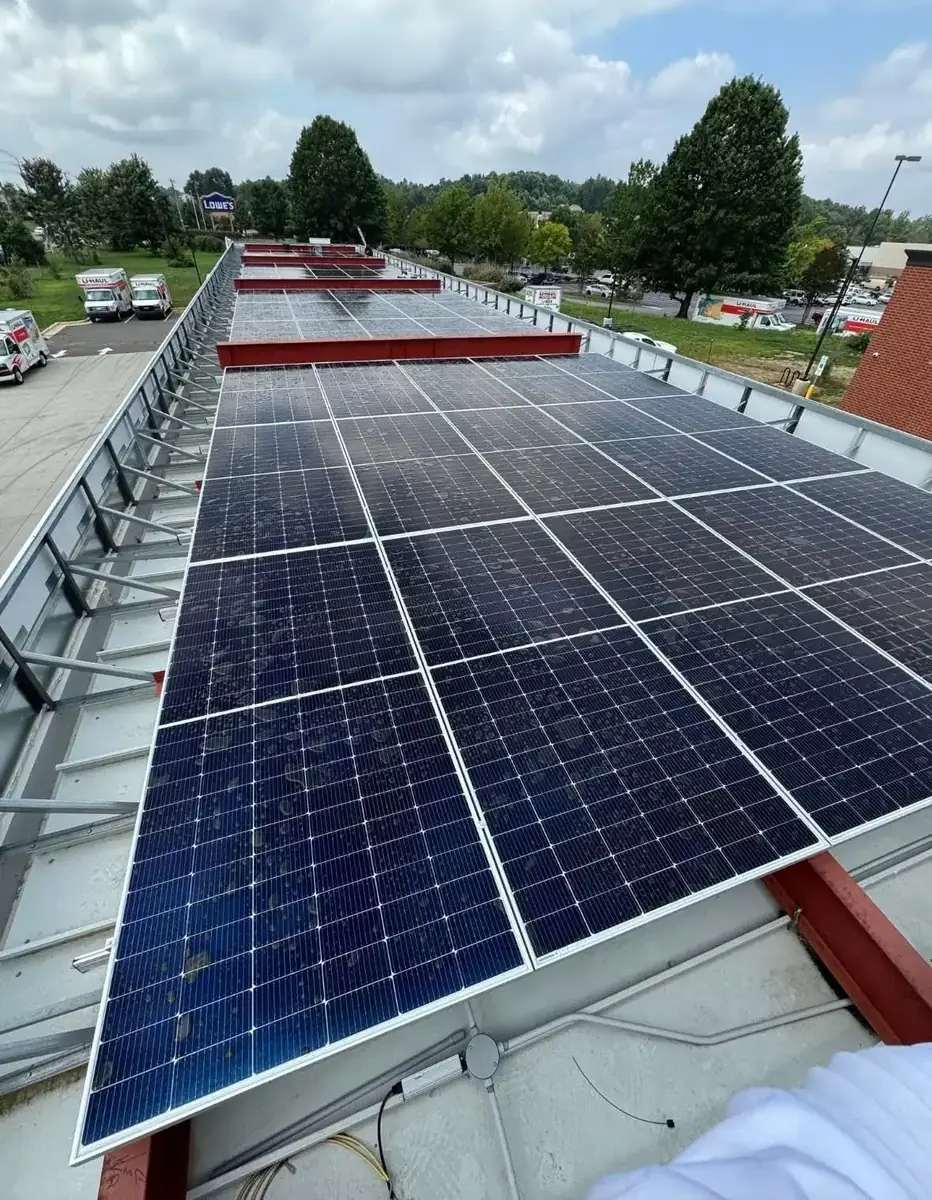
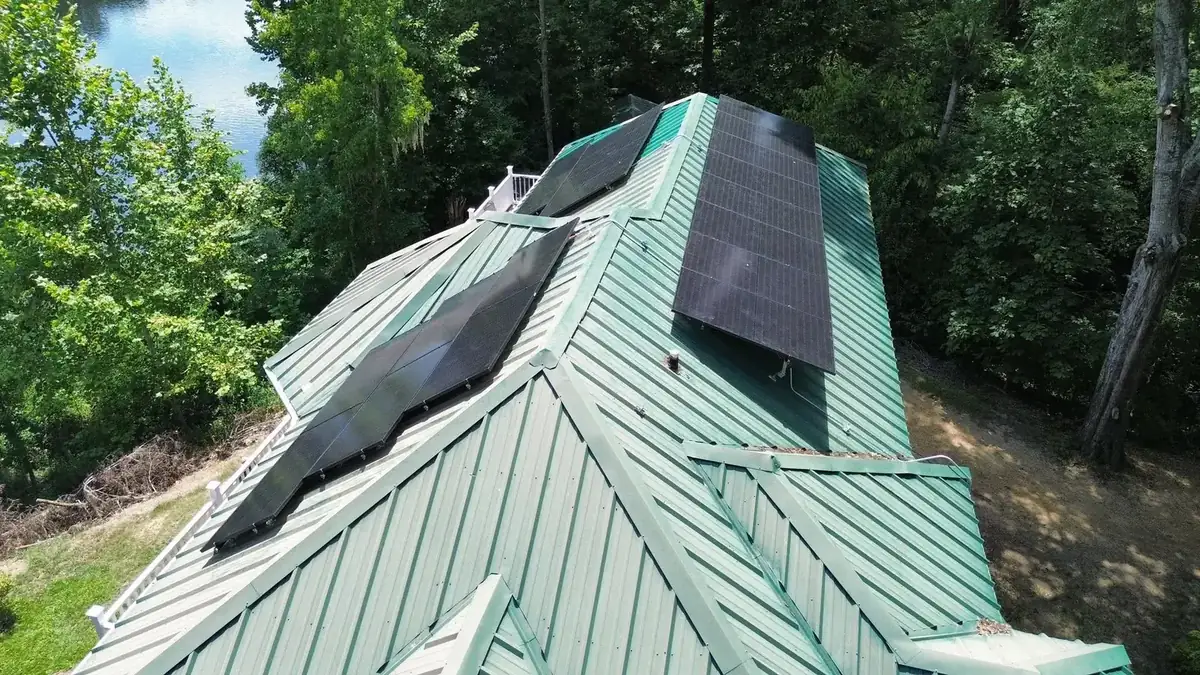
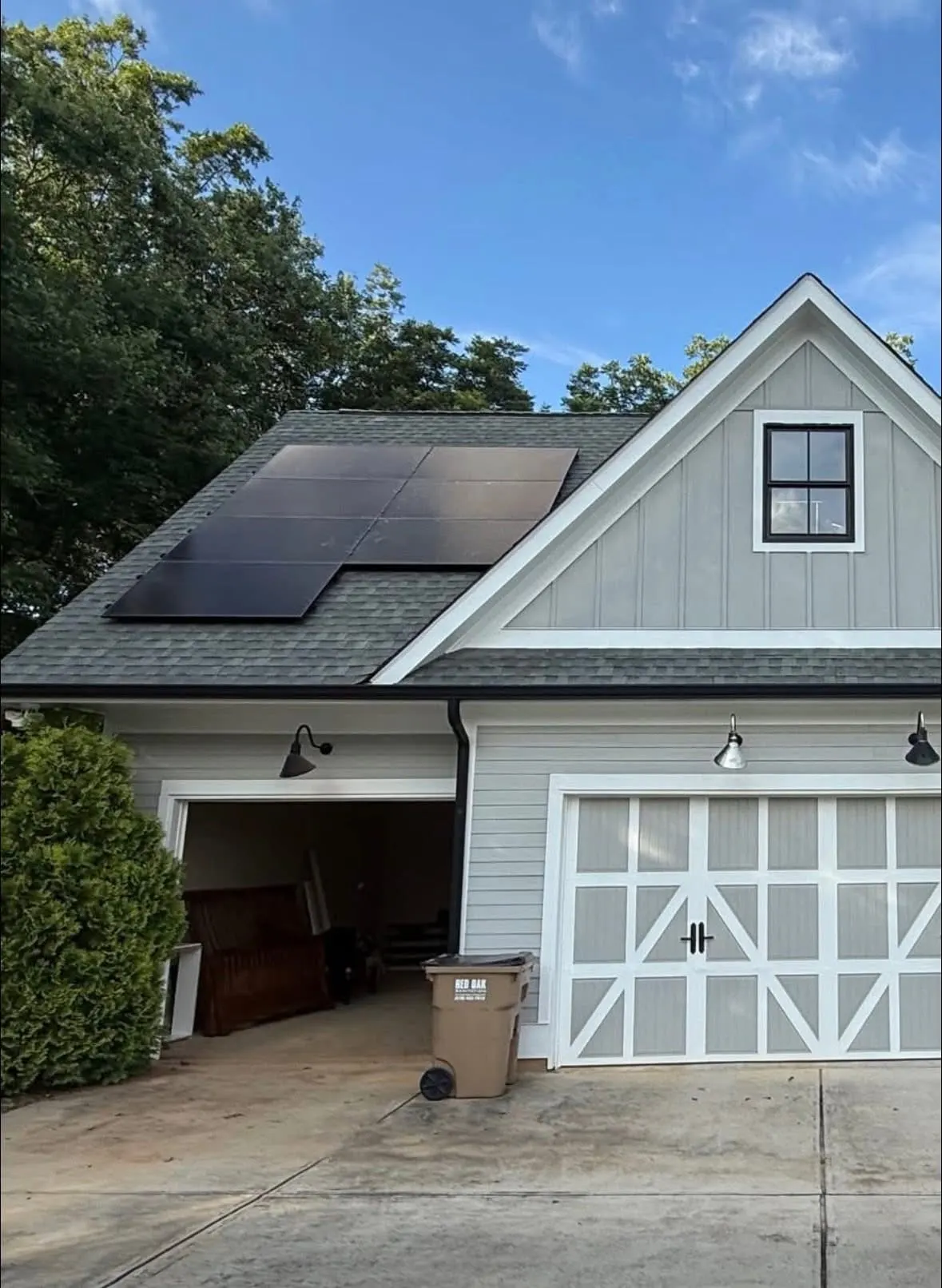
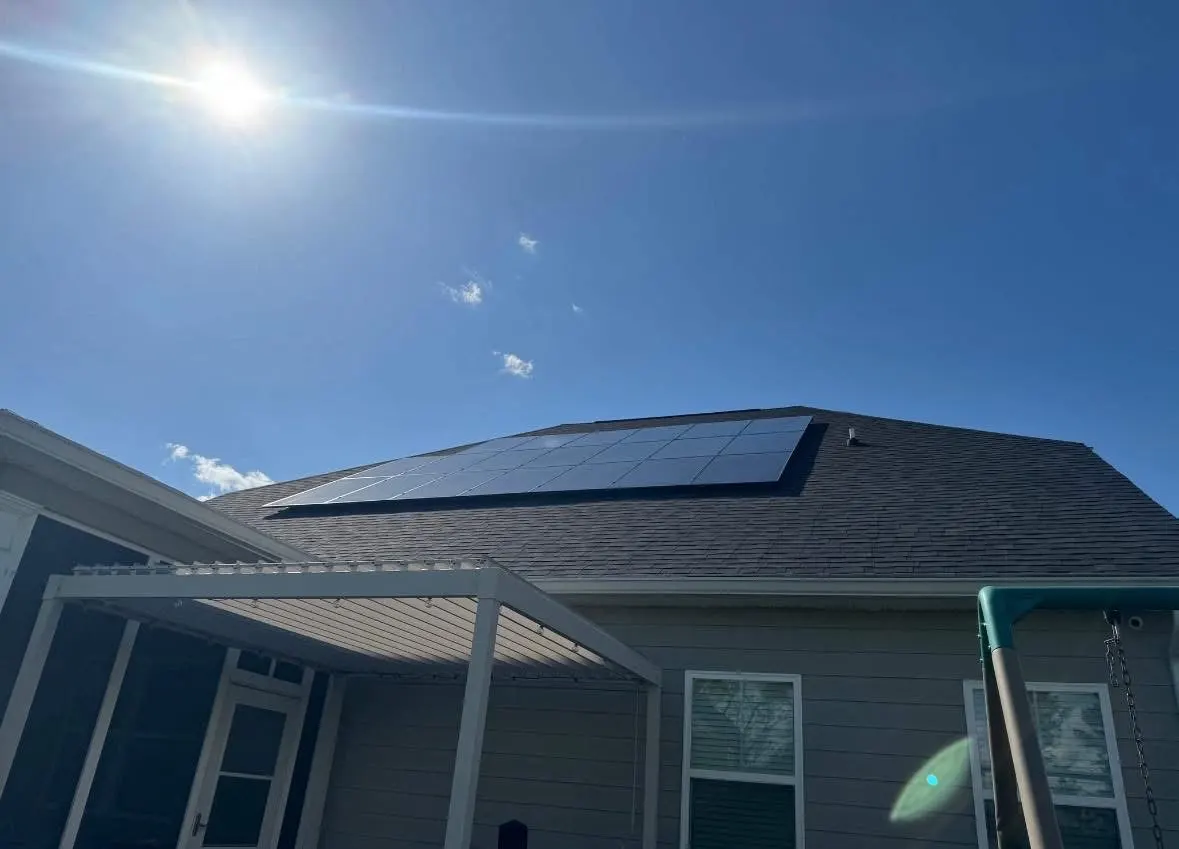
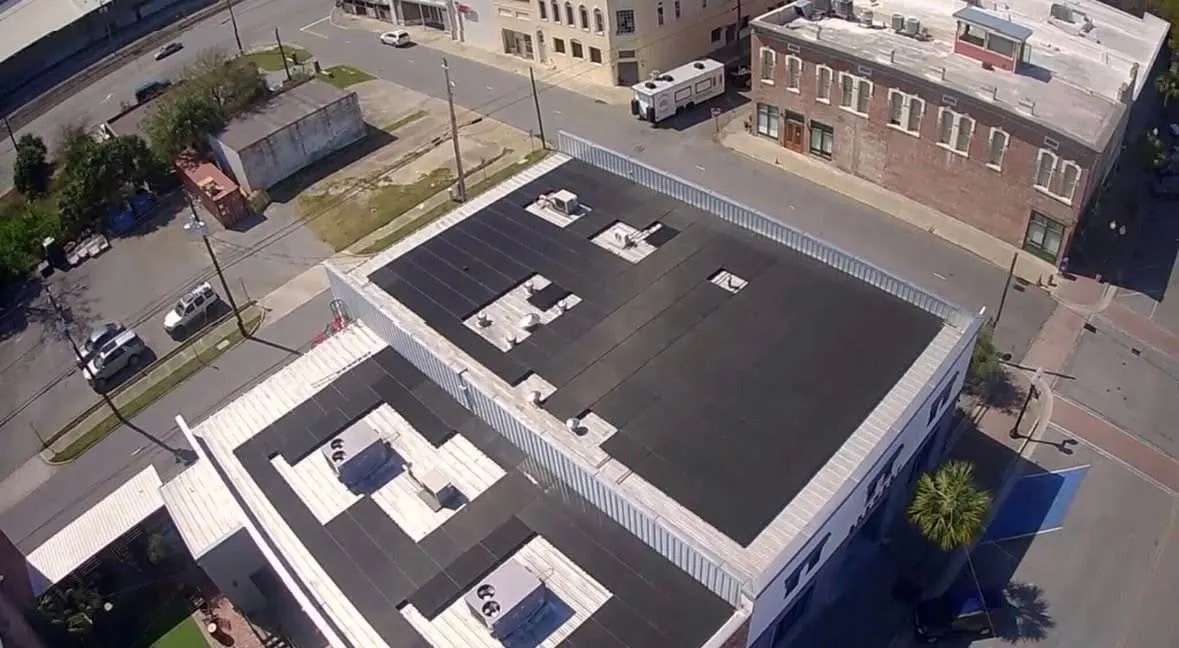
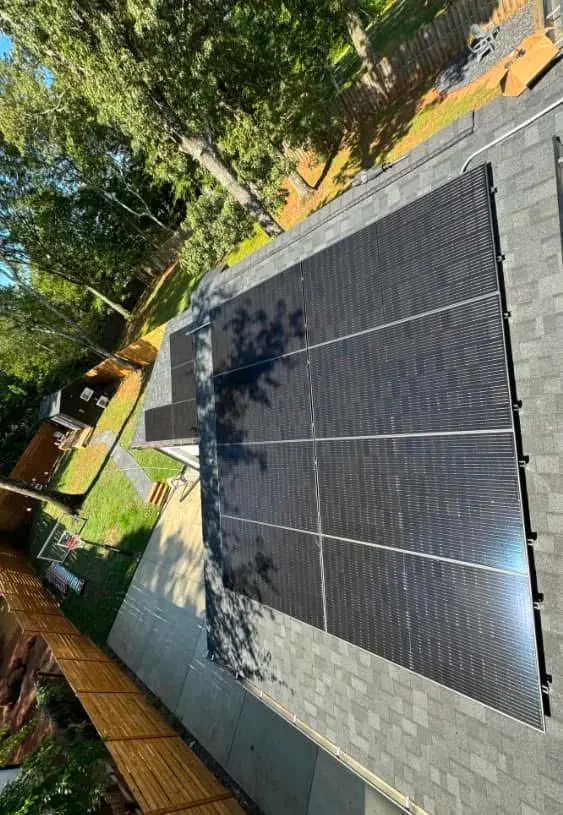
Photo locations are not published.
Free assessment · Myrtle Beach, SC
We read your bill, confirm your Santee Cooper export terms, and tell you what your roof in Horry County will actually carry, and say so if it will not pay.
Prefer to talk? (843) 310-1128
Myrtle Beach battery FAQ
The economics improved when net metering changed. Santee Cooper credits exported power at about 4.16¢ per kWh in summer and 3.84¢ outside summer while you buy power at about 11.4¢ per kWh, so a kilowatt-hour you store and use yourself is worth roughly three to five times one you export. That is a stronger case than under the old one-for-one net metering, on top of the outage protection.
Yes. Battery storage requires an additional electrical permit alongside the permits for the solar system itself in Horry County, and the installation must satisfy the National Electrical Code as adopted in South Carolina. We pull the permits and handle the inspection sequence as part of the project.
Battery storage paired with solar may qualify for South Carolina’s 25% state tax credit, subject to the same annual cap and eligibility rules as the rest of the system. The expired federal credit no longer applies. Confirm your own position with a tax professional.
Santee Cooper does not credit exports one-for-one: exported power earns about 4.16¢ per kWh in summer and 3.84¢ outside summer. Santee Cooper households paid about 11.4¢ per kWh on average in 2024.
Direct hurricane exposure and mandatory evacuation zones. Extended outages are a genuine planning case here, and for rental properties an outage during a booked week has a direct cost. We size backup to the circuits that matter rather than the whole house.
Sized to the circuits that matter, not the whole house. A 9.5 kW solar system here makes up to about 1,358 kWh in its best month, and the afternoon surplus is what a battery stores. Santee Cooper households paid about 11.4¢ per kWh on average in 2024.
Nearby
Keep reading
Follow a South Carolina home-battery project from outage brief and site review through design, approvals, installation, commissioning, and handoff.
22 min readChoose solar-only, battery-ready solar, or integrated solar-plus-storage using outage goals, architecture, site work, approvals, and commissioning.
23 min readCompare AC-coupled vs DC-coupled solar batteries for retrofits, new systems, backup behavior, compatibility, expansion, and quote scope in South Carolina.
28 min readFree, no-pressure assessment
We will map your critical loads, model your usage against your actual rate, and tell you honestly whether a battery pays for itself here or whether it is purely backup insurance.
Mon–Sat, 10am–6:30pm ET · We typically follow up within the hour.