


Serves Florence
Duke Energy Progress
- Average home rate (2024)
- 14.88¢/kWh
- Paid for exported solar
- about 2.6–4¢ per kWh
- Net-metered home solar, utility-wide
- 2,341
Battery & backup · Florence, SC
Solar battery installation in Florence pays when it stores power Duke Energy Progress would otherwise credit at about 2.6–4¢ per kWh, and 60% of homes here are owner-occupied.
Why this changed in 2026 · as of July 2026
In Florence, Duke Energy Progress credits exported solar at roughly 2.6–4¢ per kWh while retail power costs your full retail rate. That means a kilowatt-hour you store and use yourself is worth roughly three to five times one you export. Storage in Florence is now an economic decision as much as an outage-protection one.
Looking for a solar company in Florence? See solar companies in Florence: our local team, costs and a free assessment.
Free roof and bill assessment
Takes under a minute. No pressure, and no guaranteed-savings math.
Local storage case
Florence has the strongest self-consumption argument for storage in our territory, and it comes down to arithmetic rather than climate. Duke Energy Progress credits exported power at roughly 2.6 to 4 cents against your full retail rate. That gap is wide enough that shifting midday production into evening use is where most of a system's value is created, which makes storage less of an add-on here than in Dominion territory.
The resilience case is genuine but different from the coast. Storms coming inland off the coast still cause outages on this part of the grid, but they are typically shorter than a coastal hurricane event, so sizing for a day or two of essentials is usually the right answer rather than sizing for a week. That keeps the battery smaller and the price more defensible.
Practically, generously sized Pee Dee lots mean placement is rarely constrained, and there are few architectural-review controls to clear on visible external equipment. The variable worth checking early is the age of the electrical service and how the critical-loads subpanel will be arranged, since on older properties that work can be a larger share of the cost than the battery itself.
Written for Florence specifically.
The maths changed
One-for-one net metering closed to new applicants on 1 June 2021, and new Duke Energy Progress systems are credited under Duke's current residential solar rate structure instead, at roughly 2.6–4¢ per kWh for exports.
You still buy power at your full retail rate. Each kWh stored instead of exported is worth that rate rather than about 2.6–4¢ per kWh.
In Florence, a 9.5 kW system makes up to about 1,288 kWh in May; most of the afternoon surplus is what a battery would hold.
We model your Duke Energy Progress usage at the assessment and show whether storage earns its cost.
How it works
Critical-load mapping, an extra electrical permit through Florence County, installation with a critical-loads subpanel, then Duke Energy Progress approval and commissioning.
Cost
Hot Pee Dee summers drive heavy cooling load through the afternoon, and storms coming inland off the coast still cause outages on this part of the grid. Capacity and the number of Florence County circuits you back up set the price.
Florence specifics
Florence has its own constraints. Getting these right is most of the job.
Florence County requires one for storage on top of the solar permits, with its own inspection. We pull it and meet it.
Hot Pee Dee summers drive heavy cooling load through the afternoon, and storms coming inland off the coast still cause outages on this part of the grid.
Placement matters mostly for heat. Garage-interior siting usually beats an unconditioned attic here.
Older services often need attention before storage can be added cleanly. We run the load calculation before quoting, not after.
For very long outages a standby generator can be the better answer, and we will say so if it is. Compare the two.
Pairing storage with a new system is cleaner than retrofitting to an inverter that was never specified for it. We check yours first.
Permits and approvals
6 approvals for a Florence system. We file every one.
Rebate:Duke's PowerPair solar-and-battery incentive closed to new applications in Progress territory in late 2025, so it should not be counted on here. Duke's battery bill-credit programme has remained open and pays a monthly credit rather than cash up front. We confirm current status for your address rather than promising a programme that may be full.
Your utility decides payback
Your utility sets what exported power is worth, which shapes the right system size more than any panel choice.
Serves Florence
For comparison: South Carolina average 14.23¢ · U.S. average 16.48¢. South Carolina had 40,055 net-metered home solar systems at the end of 2024.
Rates: US EIA Form EIA-861, 2024 averages incl. fixed charges, not tariffs. Export terms as of July 2026.
Homes in Florence
Source: US Census Bureau, American Community Survey 2023 5-year estimates for Florence city. Estimates, rounded.
Our work
Our own job photos, not stock or renders. Inland, so salt exposure is not a factor and wind loading is lower than on the coast.
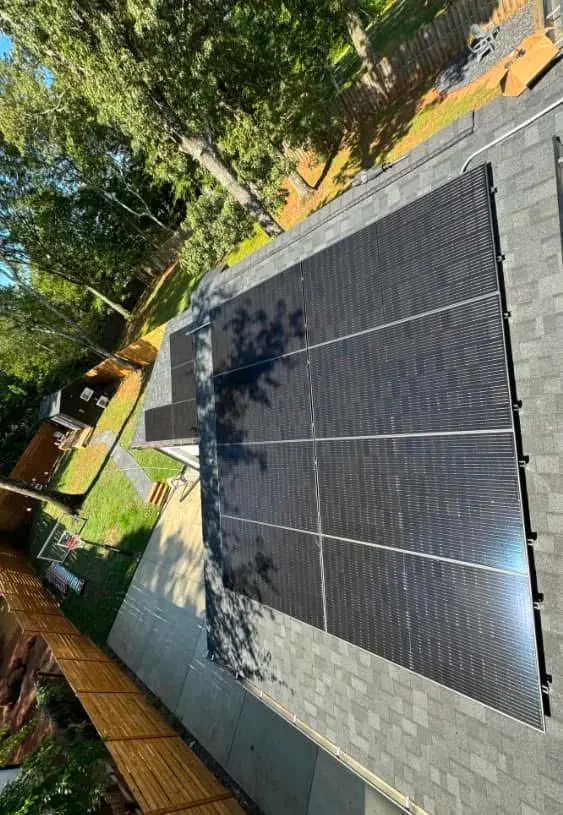
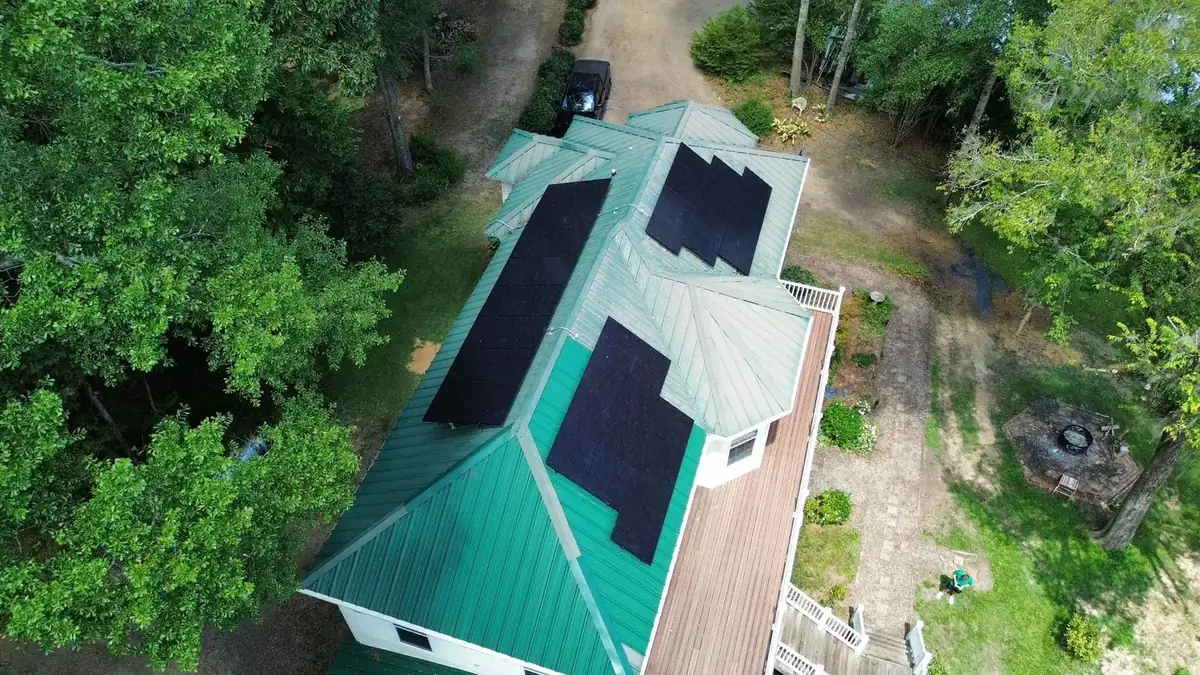
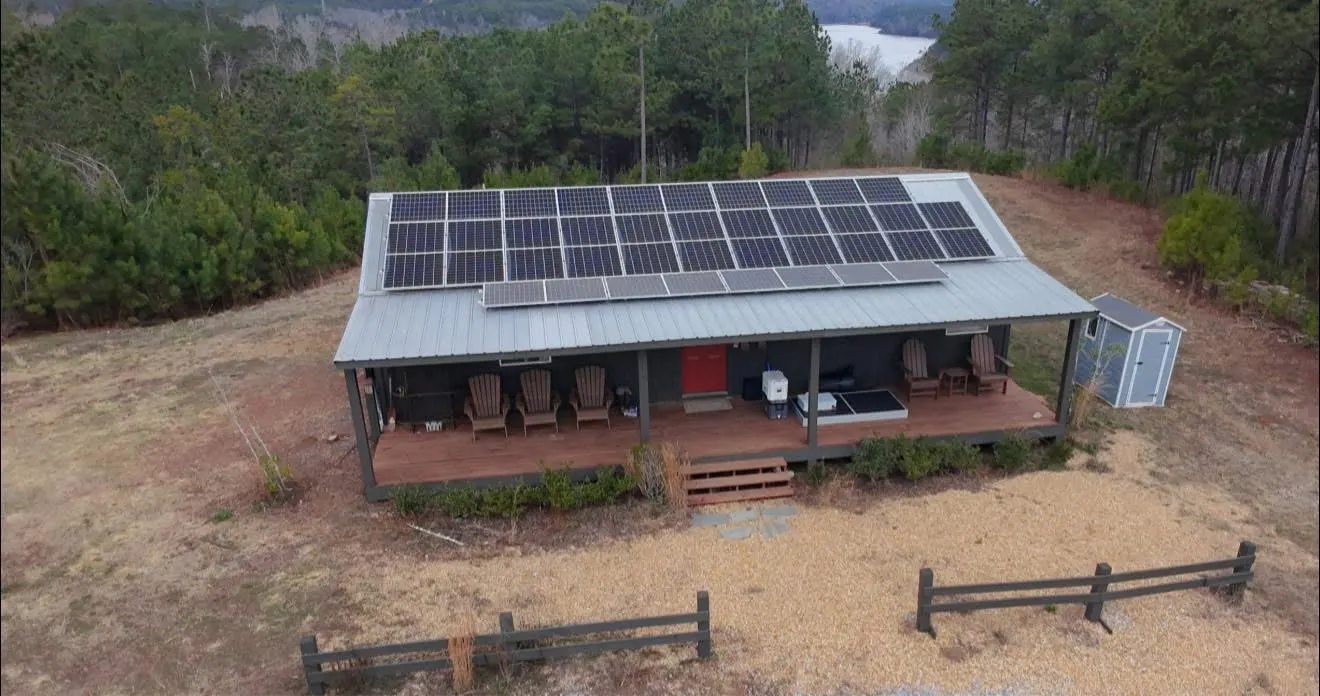
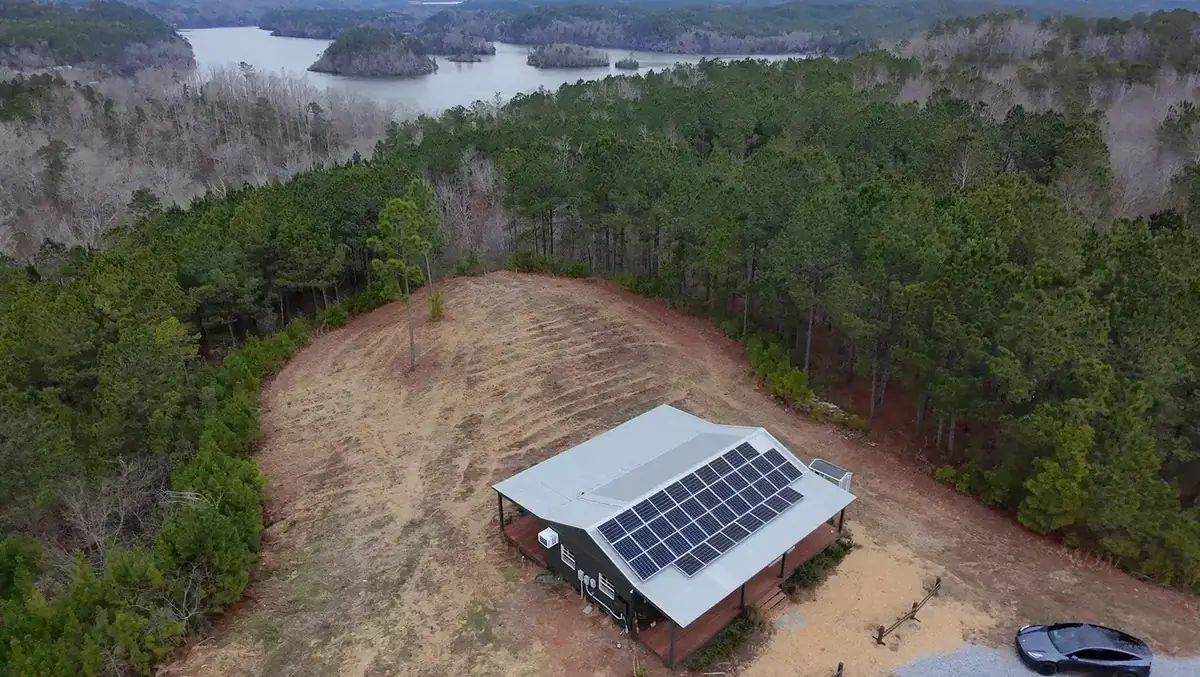
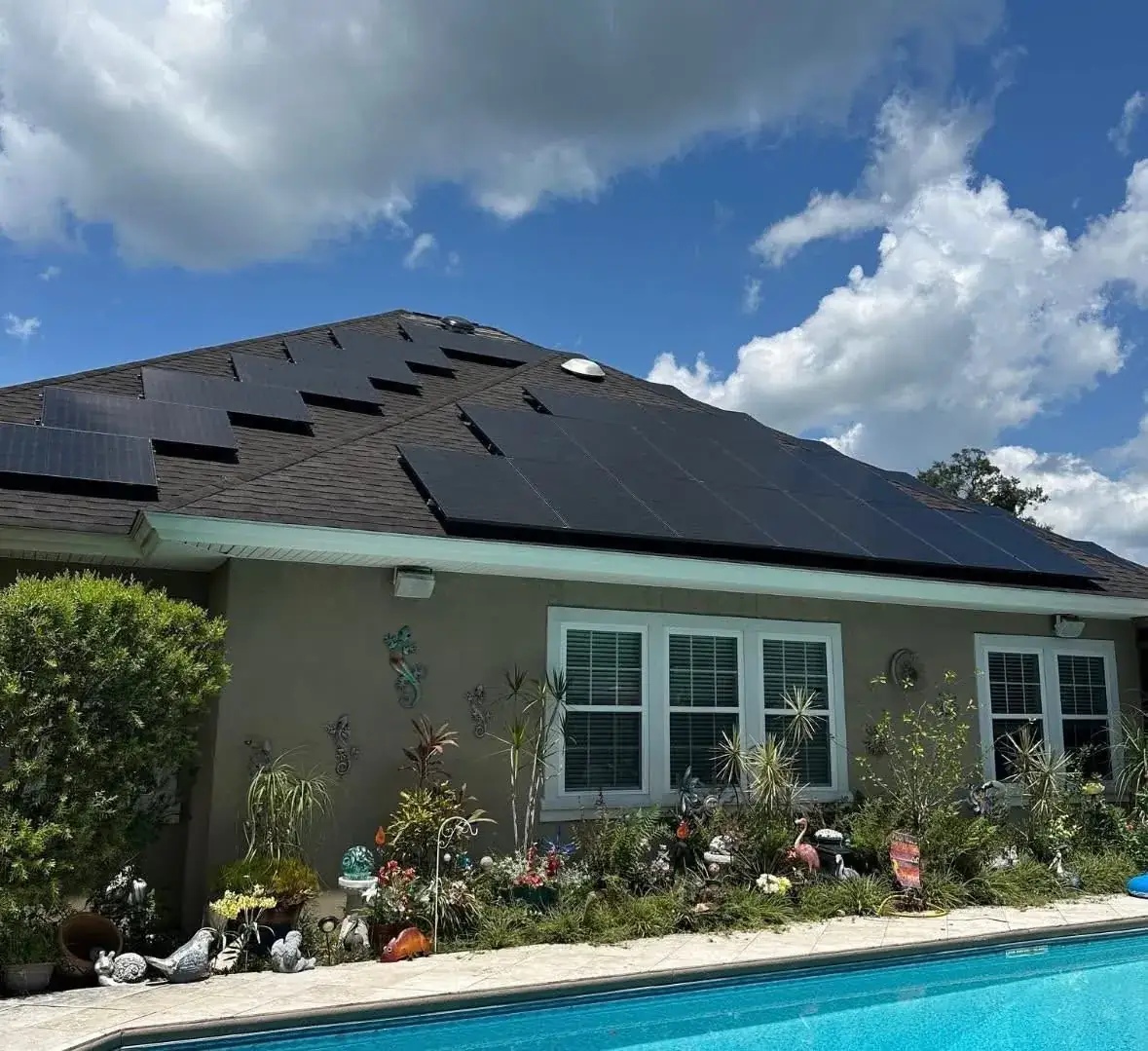
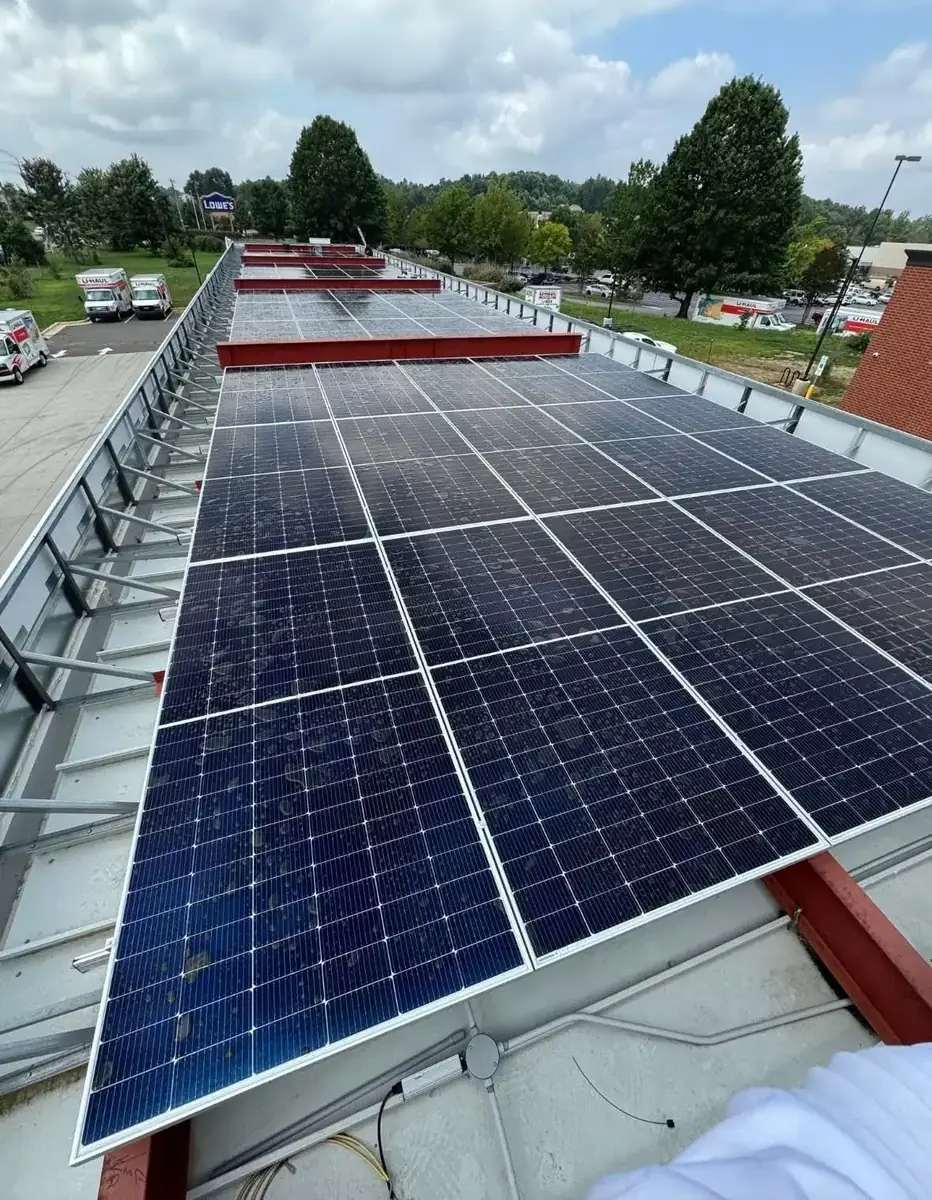
Photo locations are not published.
Free assessment · Florence, SC
We read your bill, confirm your Duke Energy Progress export terms, and tell you what your roof in Florence County will actually carry, and say so if it will not pay.
Prefer to talk? (843) 310-1128
Florence battery FAQ
The economics improved when net metering changed. Duke Energy Progress credits exported power at roughly 2.6–4¢ per kWh while you buy power at your full retail rate, so a kilowatt-hour you store and use yourself is worth roughly three to five times one you export. That is a stronger case than under the old one-for-one net metering, on top of the outage protection.
Yes. Battery storage requires an additional electrical permit alongside the permits for the solar system itself in Florence County, and the installation must satisfy the National Electrical Code as adopted in South Carolina. We pull the permits and handle the inspection sequence as part of the project.
Battery storage paired with solar may qualify for South Carolina’s 25% state tax credit, subject to the same annual cap and eligibility rules as the rest of the system. The expired federal credit no longer applies. Confirm your own position with a tax professional.
One-for-one net metering closed to new applicants on 1 June 2021, and new Duke Energy Progress systems are credited under Duke's current residential solar rate structure instead, at roughly 2.6–4¢ per kWh for exports. Duke Energy Progress households paid about 14.9¢ per kWh on average in 2024.
Hot Pee Dee summers drive heavy cooling load through the afternoon, and storms coming inland off the coast still cause outages on this part of the grid. We size backup to the circuits that matter rather than the whole house.
Sized to the circuits that matter, not the whole house. A 9.5 kW solar system here makes up to about 1,288 kWh in its best month, and the afternoon surplus is what a battery stores. Duke Energy Progress households paid about 14.9¢ per kWh on average in 2024.
Nearby
Keep reading
Follow a South Carolina home-battery project from outage brief and site review through design, approvals, installation, commissioning, and handoff.
22 min readChoose solar-only, battery-ready solar, or integrated solar-plus-storage using outage goals, architecture, site work, approvals, and commissioning.
23 min readCompare AC-coupled vs DC-coupled solar batteries for retrofits, new systems, backup behavior, compatibility, expansion, and quote scope in South Carolina.
28 min readFree, no-pressure assessment
We will map your critical loads, model your usage against your actual rate, and tell you honestly whether a battery pays for itself here or whether it is purely backup insurance.
Mon–Sat, 10am–6:30pm ET · We typically follow up within the hour.